
Writer Boualem Sansal has been the subject of significant international attention following reports of his detention in Algeria. Recent accounts indicate that the author, known for his vocal criticism of political and religious authority, has faced a period of isolation while in custody. There are reports of announced legal proceedings against Tebboune regarding the circumstances of his treatment.
The situation surrounding Sansal has drawn scrutiny, given his role as a commentator on North African politics and the dynamics between Algeria and France. His work often examines the intersection of state power, religious influence, and cultural identity, themes that have frequently placed him in opposition to established political institutions.
Background on the Detention of Boualem Sansal
Boualem Sansal was taken into custody by Algerian authorities, an event that triggered concern.

Before his arrest, Sansal had been a frequent critic of the Algerian political establishment. His writings often posit that it is the power itself that has islamised and arabised France. In various interviews and essays, he has argued this perspective, which has made him a figure in both Algeria and France.
Legal Challenges and Political Implications
The announcement regarding potential legal proceedings against Tebboune and other state actors highlights the tension between the Algerian government and its critics.
The core of the dispute revolves around the Algerian state’s management of political dissent. Supporters of Sansal argue that his detention represents a broader effort to suppress intellectual discourse.
Public Discourse and the Role of Intellectuals
The case has reignited a debate regarding the role of intellectuals in the political life of Algeria. This polarization is frequently visible on digital platforms, where the rise of AI-generated content and social media influencers has changed how political narratives are disseminated and challenged.
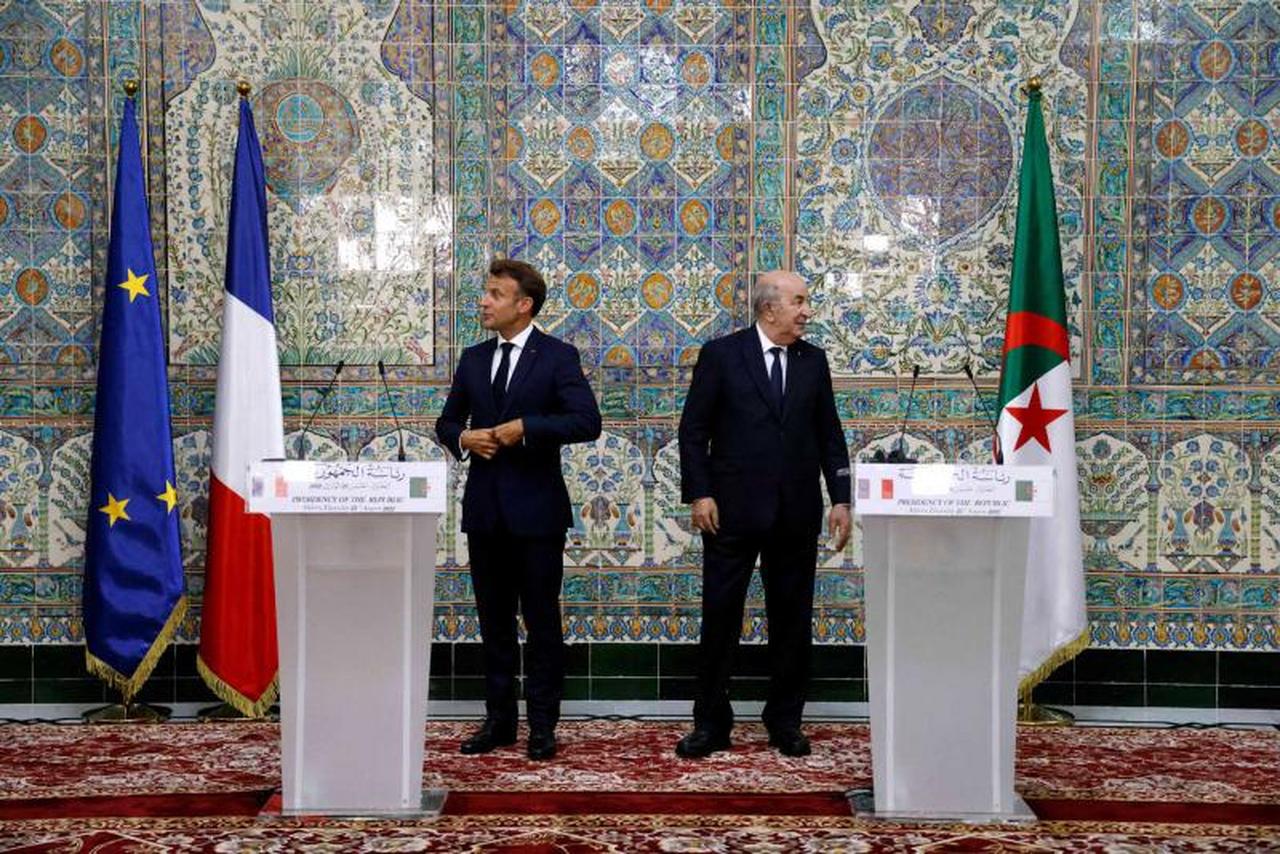
Digital security experts have noted that the online environment in Algeria is increasingly characterized by the use of automated tools to sway public opinion. These developments have complicated the ability of writers and journalists to engage in open debate, as they must contend with the distortion of information by anonymous or AI-driven entities operating in the digital sphere.
What Happens Next
The status of the legal proceedings remains the primary focus for those following the case. As of the latest reports, no date for a formal trial or hearing has been publicly disclosed by the Algerian judiciary.
The international community continues to monitor the situation. Further developments will likely depend on the diplomatic dialogue between Paris and Algiers, as well as the ability of Sansal’s legal team to navigate the Algerian judicial system.
We welcome your perspectives on the role of free expression in modern political systems. Please share this report and join the conversation in the comments section below.
- Two Gardaí Injured After Stolen Car Rams Police Vehicle During Stinger Operation
- Comment Policy and Community Guidelines | Correio da Manhã
- Texas Surrogate Refuses Abortion of Baby With Heart Condition, Sparking Legal Battle (world-today-news.com)
- Gabriel Attal: Jean-Luc Mélenchon Wants to “Ruin” France Over Debt Claims (archynewsy.com)