
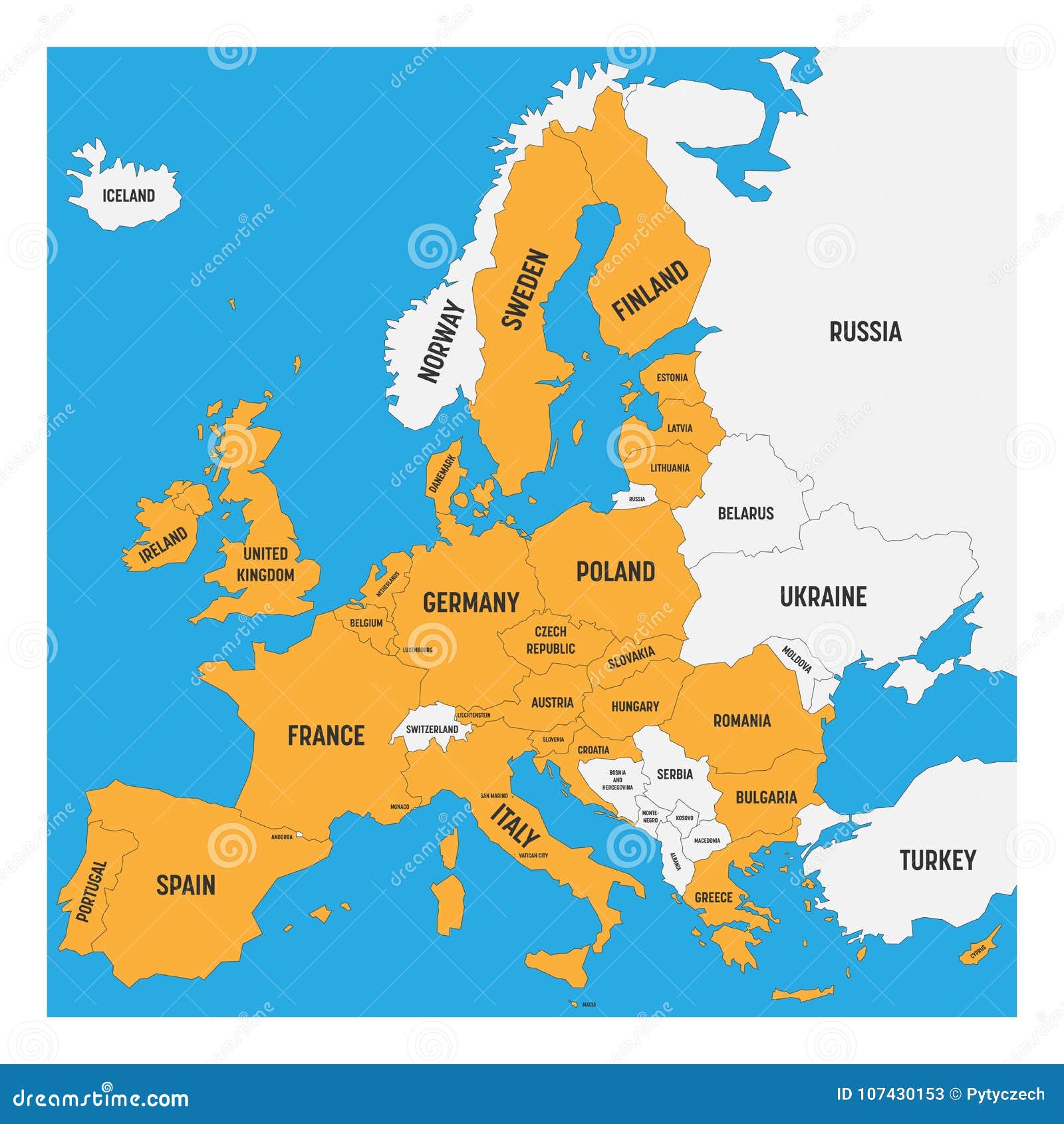
Navigating the academic landscape in Europe and the United Kingdom reveals distinct structural differences in doctoral training compared to other regions, particularly regarding research autonomy and professional development. For early-career researchers, understanding these nuances is essential when transitioning between international institutions or seeking postdoctoral positions within the European research ecosystem.
As the editor of the sports and academic analysis section here at World Today Journal, I have spent over 13 years observing how global talent moves across borders. My own background in the University of Lisbon system, combined with years of reporting on international athletic and academic performance, has highlighted a recurring theme: the “doctoral experience” is not a monolith. It varies significantly based on the funding models, institutional cultures, and the specific expectations placed on PhD candidates in the UK and broader Europe.
Variations in Doctoral Training Across Europe
The European University Association (EUA) notes that doctoral education across the continent is currently undergoing a shift toward more structured programs, though significant autonomy remains at the faculty level. In the United Kingdom, the PhD process is traditionally more focused on independent research with less emphasis on the formal coursework often found in North American models. According to the UK Research and Innovation (UKRI) guidelines, doctoral training is designed to foster professional skills alongside high-level research output, often supported by Doctoral Training Partnerships (DTPs).

In contrast, many continental European systems, such as those in Germany or France, have historically relied on a “master-apprentice” model, though many universities are now integrating “Graduate Schools” to provide a more collaborative environment for PhD students and postdocs. The European University Association highlights that these structures are intended to improve completion rates and ensure that researchers are prepared for careers both inside and outside of academia.
The Postdoctoral Transition and Professional Integration
For those moving into postdoctoral roles, the transition from a PhD often involves navigating complex grant landscapes. The Marie Skłodowska-Curie Actions (MSCA), funded by the European Commission, remain a primary mechanism for supporting the mobility of researchers across borders. Data from the European Commission indicates that these fellowships are highly competitive, prioritizing international and interdisciplinary experience to ensure researchers remain mobile and collaborative.
When academics from different regions meet at international conferences, the conversation frequently turns to the disparity in “soft skill” training. UK-based programs are increasingly incorporating mandatory professional development modules, while many continental systems are catching up by adopting similar frameworks to meet the requirements of large-scale funding bodies like the European Research Council (ERC). The European Research Council provides specific guidance on these fellowships, emphasizing the need for a career development plan that goes beyond mere laboratory or archival work.
Strategic Considerations for Early-Career Researchers
Researchers aiming to establish themselves in the European or UK academic sectors should consider several factors to ensure their professional trajectory remains robust:
- Funding Flexibility: Investigate whether your potential institution offers internal “bridging” funds, which are increasingly common in the UK to help postdocs transition between major grants.
- Teaching Requirements: Be aware that doctoral contracts in countries like the Netherlands or Sweden often include a mandatory teaching component, which is less standardized in the UK.
- Networking Infrastructure: Utilize university-led researcher development units, which are now standard at most Russell Group universities in the UK and major technical universities across the EU.
The Vitae organization, a global leader in researcher development, provides a comprehensive framework for what is expected of PhD graduates and postdocs in the current market. Their resources are frequently cited by institutional heads as the benchmark for professional standards in the UK and beyond.
Future Developments in Research Mobility
As academic institutions continue to face budget pressures, the movement toward shared research infrastructures is accelerating. The European Open Science Cloud (EOSC) initiative represents a significant effort to harmonize how research data is accessed and shared by doctoral students and postdocs across all member states. This project, which has been in development since 2018, aims to remove the technical barriers that often hinder cross-border collaboration.
The next major milestone for European research policy is the mid-term review of the Horizon Europe funding program, expected to provide updated guidance on researcher mobility and training standards by late 2025. Keeping track of these policy shifts is essential for any researcher planning to spend their doctoral or postdoctoral years in this region. We encourage our readers to monitor the European Commission’s Research and Innovation portal for the most recent updates on funding cycles and policy changes.
What has your experience been moving between different academic systems? Share your insights in the comments section below or join the conversation on our social media channels.
Related reading