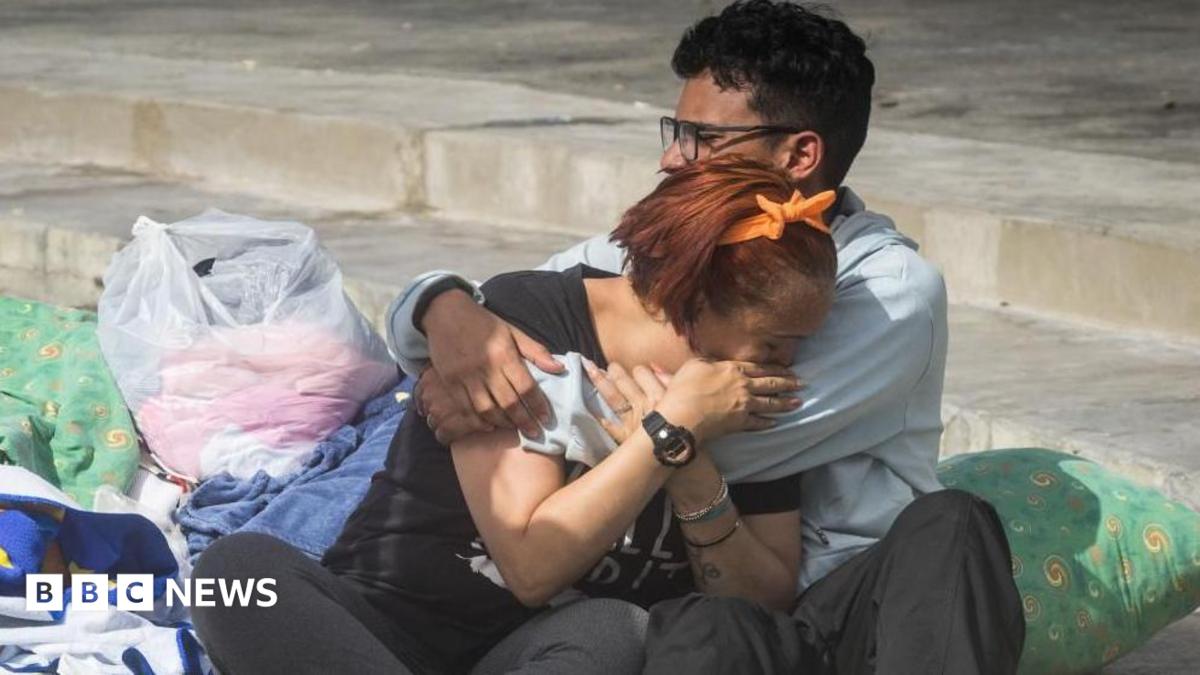
Emergency rescue teams in Caracas are working in hazardous conditions to reach survivors trapped beneath the rubble of collapsed structures following recent catastrophic events in the Venezuelan capital. As the window for finding survivors narrows, official reports indicate that recovery efforts are intensifying, while public frustration over the adequacy of the emergency response continues to mount across the city.
The situation in Caracas remains volatile as authorities struggle to manage the aftermath of structural failures and environmental instability. According to reports from Reuters, the scale of the destruction has strained local resources, leading to widespread concern among residents regarding the government’s preparedness for urban emergencies. While official rescue operations persist, the lack of timely communication has fueled growing resentment among families still waiting for news of missing loved ones.
The Current State of Rescue Operations
Search and rescue operations are currently focused on high-density zones where infrastructure damage is most severe. Emergency crews, including members of the national civil protection agency, are utilizing heavy machinery and specialized canine units to clear debris in areas that remain structurally compromised. Despite these efforts, officials have noted that the progress is significantly hindered by the instability of the ruins and the risk of secondary collapses, as documented by The Associated Press.

The complexity of the terrain in Caracas, characterized by steep hillsides and dense, unplanned urban development, complicates the deployment of large-scale rescue equipment. Humanitarian organizations operating in the region have emphasized that the lack of standardized building codes in certain neighborhoods has exacerbated the impact of the disaster, making the recovery process a long-term challenge for municipal authorities.
Public Sentiment and the Growing Crisis
As the hours pass without significant updates on the number of survivors recovered, public anger has become increasingly visible in the streets of Caracas. Residents have expressed criticism regarding the speed of the government’s initial response, citing delays in the arrival of heavy search equipment and medical support. This sentiment is compounded by existing socioeconomic pressures in Venezuela, where infrastructure maintenance has been a point of contention for years.
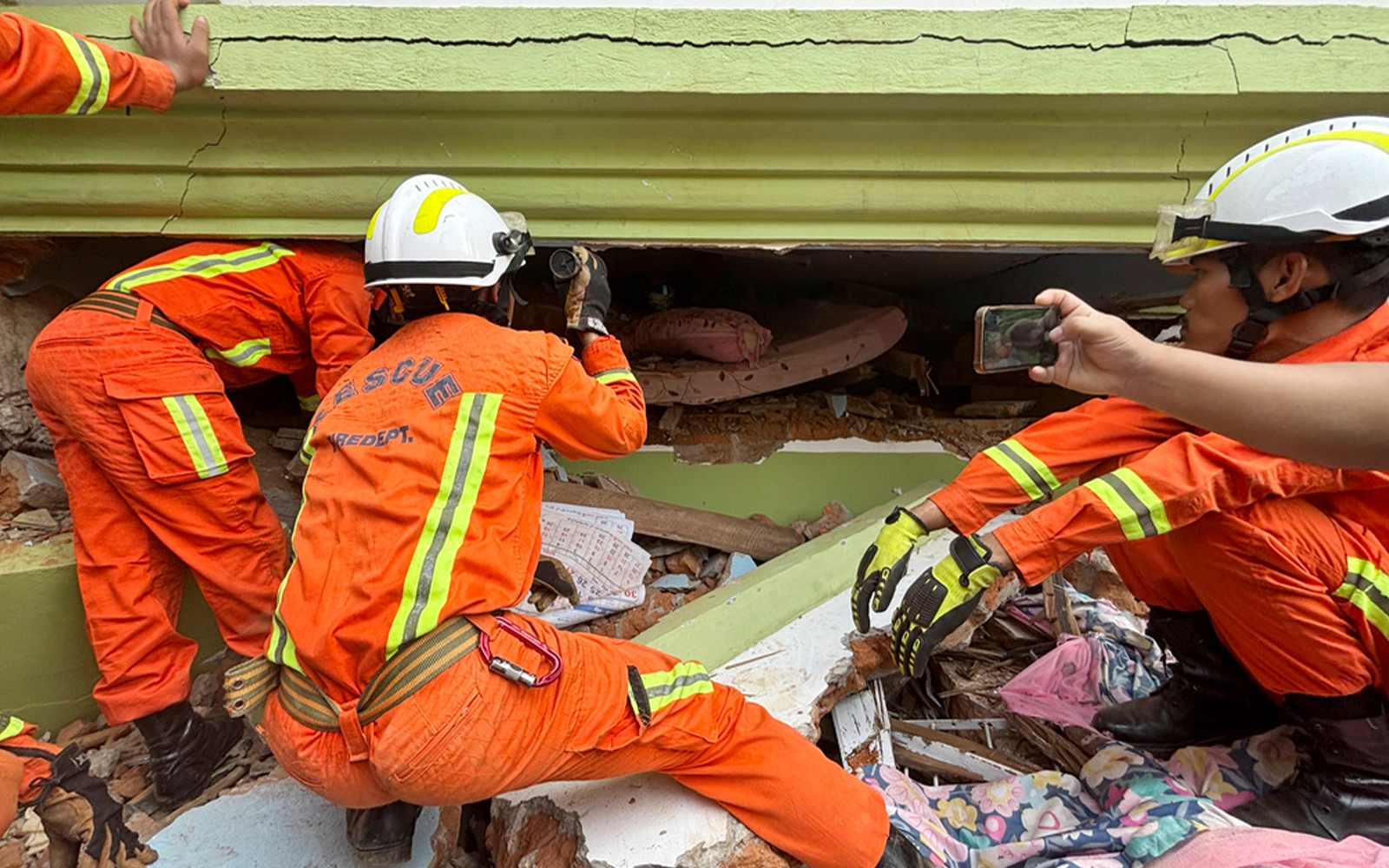
According to data from the Human Rights Watch reports on regional governance, the current crisis serves as a flashpoint for deeper grievances related to public service delivery and government transparency. Local community leaders have begun organizing informal aid networks to fill the gaps left by the state, further highlighting the disconnect between official recovery efforts and the urgent needs of the affected population.
What Happens Next for Displaced Residents
For those whose homes have been destroyed or deemed unsafe, the immediate future remains uncertain. Municipal officials are currently evaluating the need for temporary shelters, though critics argue that the proposed locations lack the necessary capacity to house the growing number of displaced individuals. The government has indicated that a formal assessment of the damage will be conducted in the coming weeks, a process that many residents fear will be slow and exclusionary.
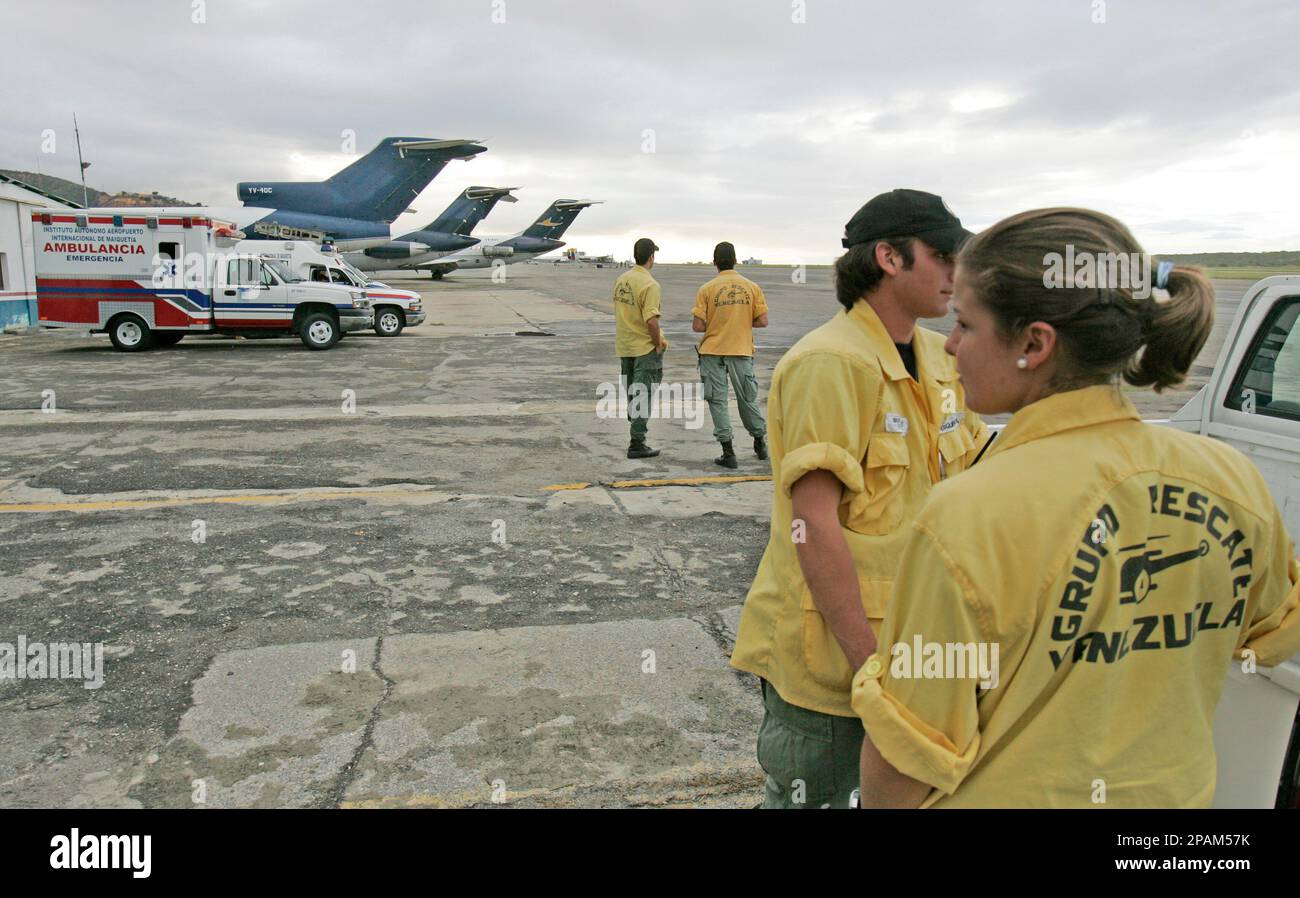
Residents seeking information on missing relatives or those looking to donate supplies are advised to monitor official updates from the Venezuelan Ministry of Interior, Justice, and Peace, which is tasked with coordinating the central response. While the government has pledged to provide financial assistance to those impacted, the timeline for the distribution of these funds has not yet been finalized. Citizens are encouraged to maintain contact with local community councils, which serve as the primary link between the affected neighborhoods and the state authorities managing the recovery.
As the recovery phase transitions into a long-term humanitarian effort, the focus will likely shift to the structural integrity of the surrounding areas and the potential for further evacuations. The next official briefing on the status of the search operations and the government’s recovery timeline is expected within the next 48 hours. Please share your thoughts and reports from your community in the comments below as we continue to monitor this evolving situation.
Keep reading