
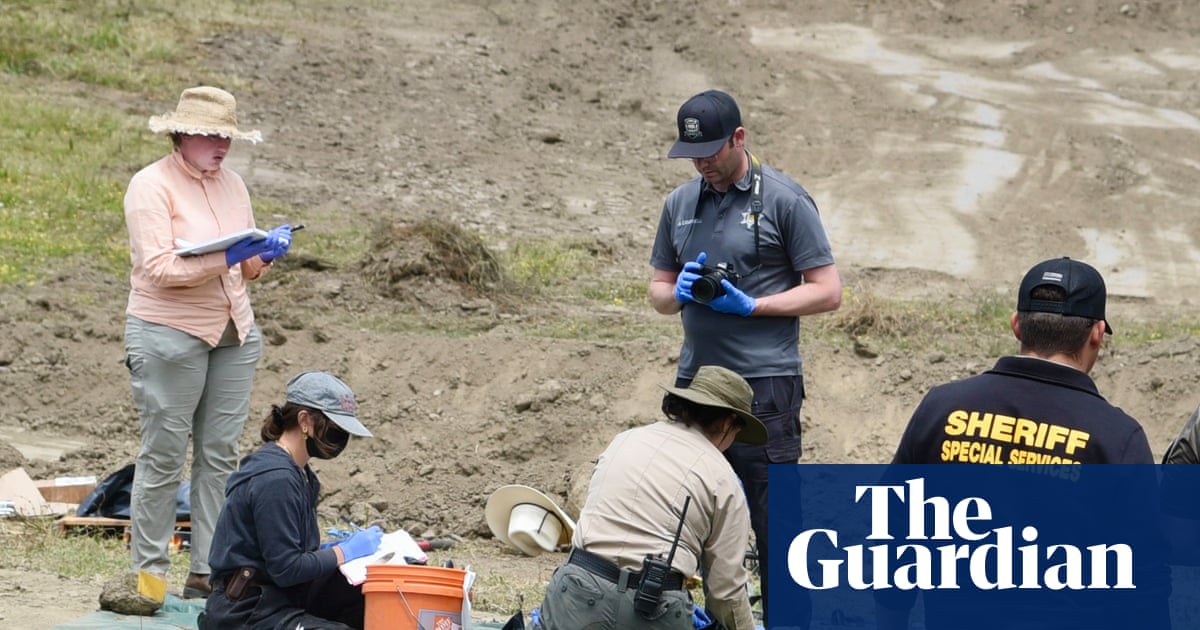
Investigators uncovered 117 dead dogs at a northern California animal rescue sanctuary, with many of the canine remains having evidence of gunshots. During an investigation into the facility, which described itself as a “no-kill” facility, authorities recovered the canine remains and more than 600 dog collars. Many of the remains exhibited evidence of gunshot wounds.
The discovery follows concerns regarding the sanctuary’s intake practices. Investigators reported that the organization, Miranda’s Rescue, accepted hundreds of dogs each year from shelters across the San Francisco Bay Area. According to official reports, these transfers were often accompanied by significant funding, with the facility receiving hundreds of thousands of dollars to provide care for the animals. The investigation into the site is ongoing.
Investigation into Miranda’s Rescue Operations
Investigators found a large number of dog remains buried or discarded on the premises. The presence of more than 600 dog collars in an area where they suspect animals were killed has led investigators to believe that a systematic culling of animals may have occurred at the site. The investigation is currently underway to determine the exact cause of death for each animal, though preliminary findings indicate multiple instances of firearm-related trauma.
Miranda’s Rescue had maintained a public reputation as a “no-kill” facility. The discrepancy between this public branding and the physical evidence recovered by law enforcement has sparked widespread scrutiny regarding the oversight of animal rescue organizations in California. State and local authorities are now reviewing the contracts and funding agreements that allowed the sanctuary to accept animals from various Bay Area municipal shelters.
Financial Oversight and Shelter Transfers
The financial model utilized by the sanctuary involved accepting dogs from public shelters, which provided the facility with financial compensation for the animals’ long-term care. The organization secured hundreds of thousands of dollars in funding through these arrangements. Investigators are currently working to track the origin of the animals found on the property to determine if they were among those transferred from regional shelters under these agreements.
Representatives from several Bay Area animal control agencies have begun cooperating to account for the animals previously sent to the facility. The investigation seeks to determine whether the organization failed to provide the promised care or if the intake of animals was used to secure funding without the capacity to maintain them.
What Happens Next for the Investigation
The next phase of the investigation involves the identification of the recovered remains and the gathering of evidence to support potential criminal charges. Forensic experts are working to correlate the 600 collars found on the property with the records of animals transferred to the facility.
Investigators have encouraged members of the public who may have information regarding the operations at the property to contact their office. The agency continues to provide updates as the forensic examination proceeds.
This is a developing story. Updates will be provided as more information is released. Readers are encouraged to share this report and monitor official government portals for verified updates on the investigation.