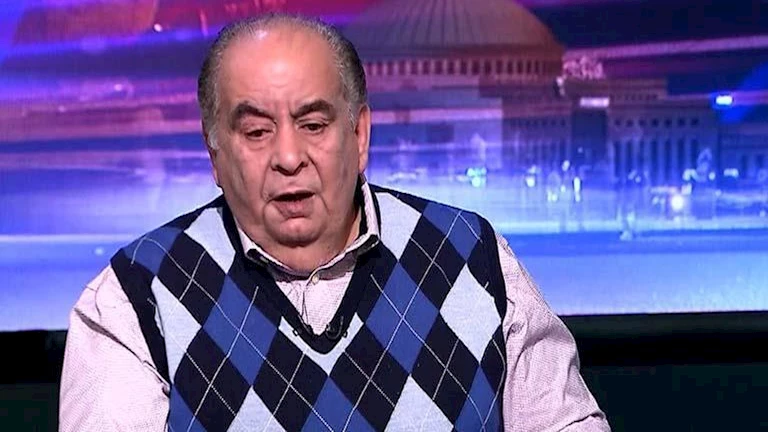
Egyptian writer Youssef Ziedan has sparked significant public and academic debate following recent comments regarding the historical narrative of “The People of the Elephant” (Ashab al-Fil), as referenced in the Quran. Ziedan suggested that the traditional account of the event—involving an army led by Abraha al-Ashram—may lack contemporary historical corroboration, prompting pushback from religious institutions and public figures.
The controversy centers on Ziedan’s assertion regarding the narrative, which describes an attempt to destroy the Kaaba in Mecca. Ziedan questioned the traditional religious interpretation, leading to criticism from scholars, public officials, and religious authorities.
Institutional and Public Responses
The Supreme Council for Islamic Affairs in Egypt and various religious scholars have publicly criticized Ziedan’s statements. Critics argue that his approach undermines the authenticity of Islamic history and religious texts. Scholars have accused him of prioritizing skepticism over theological consensus, leading to a broader debate in the media landscape regarding the limits of historical inquiry versus religious reverence.

The discourse expanded, drawing reactions from regional figures. A Saudi prince and public commentators have also weighed in, emphasizing the cultural and religious significance of the Kaaba’s history. The debate highlights the friction between modern academic revisionism and traditional religious narratives. While Ziedan maintains that his work is an exercise in critical historical analysis, his detractors characterize it as an attempt to provoke controversy by challenging foundational beliefs.
Historical Context of the Elephant Narrative
The story of the “People of the Elephant” is traditionally associated with the “Year of the Elephant,” a period in pre-Islamic history that serves as a chronological anchor in early Islamic tradition. Academic research into the life of Abraha al-Ashram, an Aksumite ruler of Yemen, confirms his existence and his efforts to expand Ethiopian influence in the Arabian Peninsula. However, the specific details regarding his march on Mecca remain a subject of active study among historians.
The specific account of an elephant-led expedition against Mecca is largely preserved through oral traditions and early Islamic historiography.
The Debate Over Intellectual Freedom
Youssef Ziedan has defended his position by asserting that his role as a researcher is to re-examine historical texts. His supporters argue that academic freedom should allow for the questioning of all historical records, including those embedded in religious texts. Conversely, his critics argue that when such questioning touches upon sacred narratives, it requires a level of scholarly rigor and sensitivity that they claim is missing from Ziedan’s analysis.
The intensity of the reaction reflects the broader cultural importance of these narratives. For many, the story is a central element of religious identity. The ongoing public discourse illustrates the difficulty of reconciling historical methodology with the deeply held beliefs of a global audience. As of this writing, no formal legal action has been taken against Ziedan, though the social and intellectual backlash continues to circulate across regional media outlets.
Future updates regarding this debate will likely emerge through academic forums and official statements from religious institutions. For those following the intersection of history and theology, the discourse serves as a case study in how ancient narratives remain active and contested in the modern political and cultural sphere. Readers are encouraged to share their perspectives on the role of historical criticism in religious discourse in the comments section below.
Worth a look