
Tensions in the Strait of Hormuz escalated this week following reports of an attack on a commercial tanker, an incident that has triggered a series of retaliatory military strikes between the United States and Iran. The maritime security situation remains volatile as both nations trade accusations over regional stability and the integrity of international shipping lanes.
The Strait of Hormuz, a critical chokepoint for global oil transit, has become the focal point of a renewed geopolitical standoff. Following the initial strike on the tanker, the U.S. military confirmed it conducted targeted operations against sites inside Iran. Meanwhile, Tehran has formally accused the United States of a “flagrant violation” of a peace agreement, heightening fears of a broader conflict in the Middle East.
Maritime Security and the Hormuz Crisis
The attack on the tanker has disrupted standard navigation protocols in one of the world’s most vital waterways. Beyond the immediate military exchanges, maritime authorities have noted physical complications affecting vessel movement. Reports indicate that the accumulation of crustaceans on ships threatens the normalization of navigation in Hormuz. These environmental factors, combined with the heightened security alert, have created a complex operational environment for commercial shipping companies.
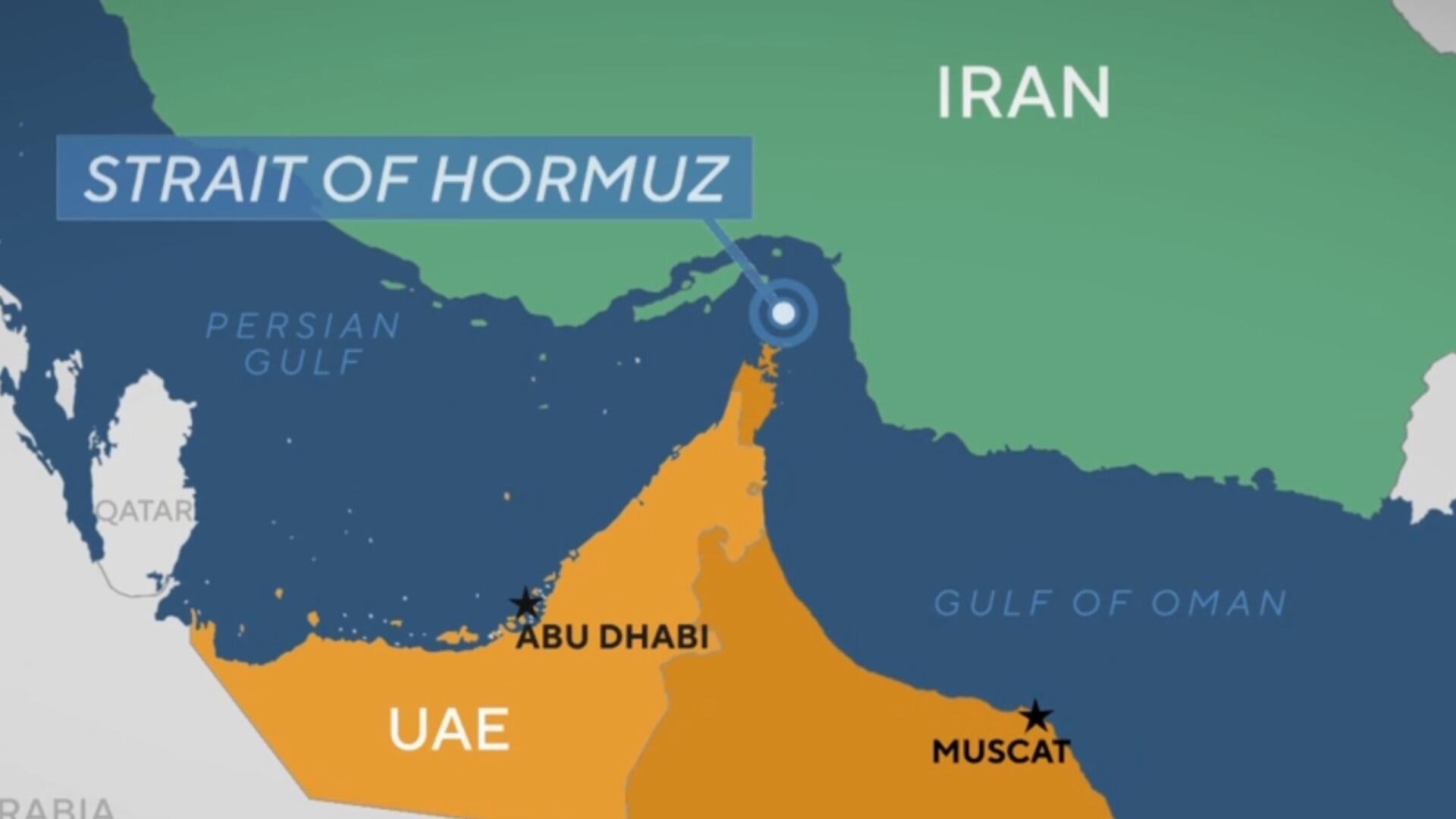
The U.S. military, which operates in the region, continues to maintain a heightened posture to ensure freedom of navigation. The ongoing friction between Washington and Tehran complicates these standard safety measures, as both sides interpret military movements as provocative.
Diplomatic Fallout and the Peace Agreement
The Iranian government issued a sharp rebuke following the U.S. strikes, characterizing the military response as a breach of a peace agreement. Iranian officials have claimed that the U.S. actions undermine previous diplomatic efforts aimed at stabilizing the Persian Gulf, though the U.S. maintains that its strikes were defensive measures taken in response to direct threats against commercial traffic. The divergence in these narratives reflects the deep-seated mistrust that has defined U.S.-Iran relations for decades.
The international community remains concerned about the potential for further escalation. Analysts suggest that the combination of kinetic military action and diplomatic rhetoric creates a narrow window for de-escalation.
The Path Forward
As of this week, no further major military engagements have been reported, but the region remains on high alert. The next critical checkpoint for the international community will be the upcoming session of the UN Security Council, where members are expected to discuss the stability of the Persian Gulf and the enforcement of international maritime law.

Regional observers are closely monitoring whether the current “tit-for-tat” cycle of strikes will lead to a sustained conflict or if back-channel diplomacy can restore a temporary status quo. Commercial operators are advised to monitor official maritime security bulletins for updates on transit safety and potential exclusion zones. We will continue to track these developments as official statements are released.
Have thoughts on the shifting geopolitical landscape in the Middle East? Share your perspective in the comments below or join the conversation on our social media channels.
Worth a look