
A meticulously crafted LEGO recreation of Budapest’s historic Hungária bathhouse has captured public attention, offering a detailed look at the architectural grandeur of the city’s “Golden Age.” The project, which utilizes thousands of individual plastic bricks, serves as a scale model intended to preserve the memory of a landmark that defined the social and aesthetic landscape of the Hungarian capital during the late 19th and early 20th centuries.
The Hungária bathhouse, originally part of the broader Continental Hotel complex, represents a significant chapter in Budapest’s urban development. According to historical records maintained by the Budapest City Archives, the era of the late 1800s saw a rapid expansion of the city’s thermal and medicinal bathing culture, which became a cornerstone of its international reputation as a “City of Spas.” This LEGO interpretation provides a tangible bridge between contemporary hobbyist culture and the rich, often ephemeral, architectural heritage of Central Europe.
Reconstructing History Brick by Brick
The construction process for such a model requires more than just technical skill; it necessitates extensive research into archival blueprints and period-accurate photography. Builders often rely on the Fortepan digital archive, a collection of public-domain historical images, to ensure that the proportions, facade elements, and interior layouts are rendered with as much fidelity as the medium allows.
By scaling down the intricate Neo-Renaissance and Art Nouveau details typical of Budapest’s historical buildings, creators are able to highlight elements that are frequently overlooked by casual observers. The process involves identifying the specific color palettes—often utilizing muted tones like tan, dark red, and grey—to mimic the limestone and brick materials commonly found in the city’s historic district. This practice of “architectural modeling” has grown in popularity, with hobbyists increasingly focusing on preserving disappearing urban textures through plastic brick systems.
The Legacy of Budapest Baths
The importance of the Hungária bathhouse lies in its dual identity as both a medicinal facility and a social hub. Before its decline and eventual transformation, the site was part of the thriving Continental Hotel, which operated on the site of the former Hungária Spa. The Budapest Spas and Thermal Baths (BGYH) organization notes that these facilities were instrumental in shaping the city’s social hierarchy, providing a space where the arts, politics, and leisure converged.

The physical decline of these structures often began in the mid-20th century, leading to either total demolition or extensive renovation. The LEGO recreation serves as a form of “digital and physical preservation.” By documenting the structure in a medium that is widely accessible, the project ensures that the aesthetic footprint of the Hungária lives on, even if the original building underwent significant structural changes over the decades.
Why Model Building Matters for Heritage
Architectural historians often point to the value of scale models in urban planning and education. When a structure is no longer accessible to the public, or when it has been altered beyond recognition, models provide a necessary visual reference. This specific project highlights the intersection of modern technology—such as computer-aided design (CAD) software used to plan LEGO builds—and traditional history.
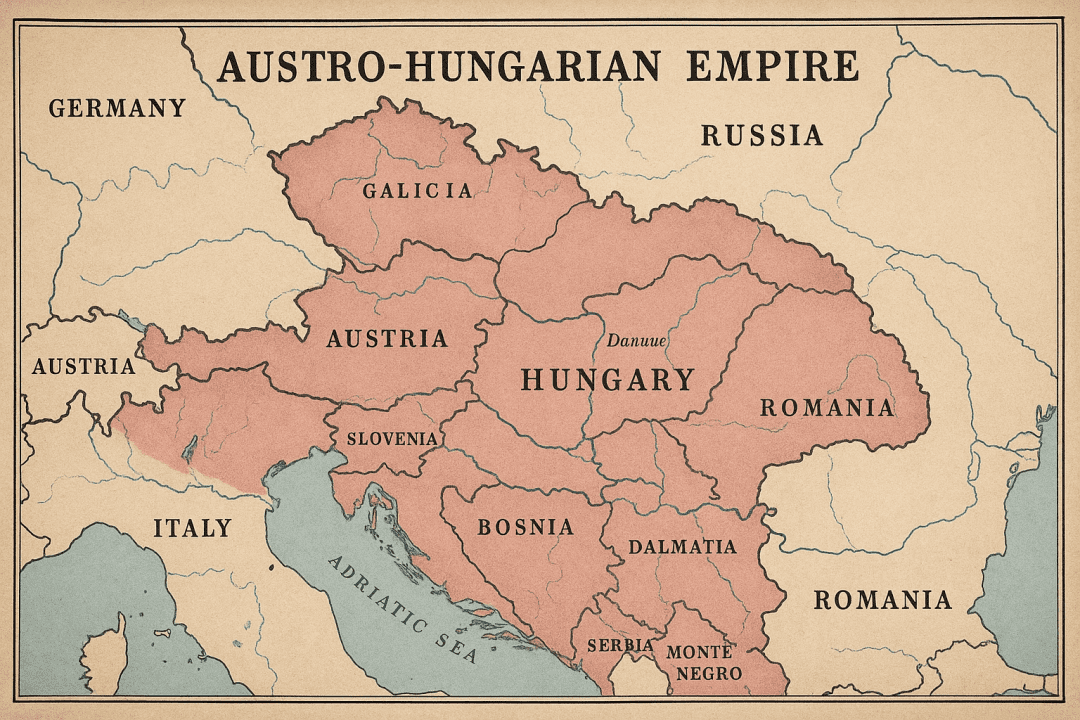
For many residents, these models are more than toys; they are reminders of the city’s “Golden Age” (roughly 1867–1914), a period of unprecedented economic and cultural growth for the Austro-Hungarian Empire. The attention to detail, from the miniature statues to the complex rooflines, encourages a deeper engagement with the city’s history. As interest in urban conservation continues to rise, projects like this demonstrate that heritage preservation can take many forms, including those that invite interactive and creative participation from the public.
What Happens Next
While the Hungária model is a finished artistic project, it contributes to a growing movement of digital and physical modeling focused on Budapest’s lost architecture. Enthusiasts are encouraged to visit the Hungarian Museum of Architecture for official documentation on the city’s historic buildings and to learn more about upcoming exhibitions that feature scale models of landmark structures.

Public interest remains high, and further inquiries regarding the preservation of specific historic districts can be directed to the Budapest Municipality, which oversees urban planning and heritage conservation efforts. Readers interested in the technical aspects of the build or historical context are invited to share their thoughts or reach out with questions regarding the city’s architectural evolution.
Worth a look