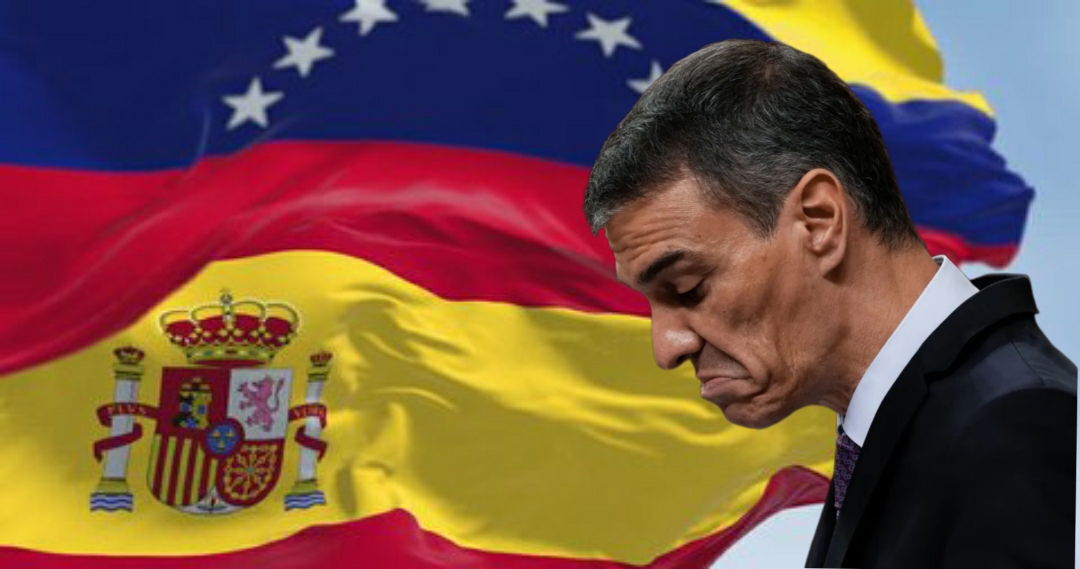
Spain is currently navigating a complex period of institutional and social introspection as public discourse centers on the perceived erosion of ethical standards within the political and judicial spheres. This national reflection, characterized by intense debate over transparency and the integrity of public institutions, has intensified following a series of high-profile legal and political controversies that have dominated the Spanish news cycle in recent months. Citizens and observers alike are increasingly scrutinizing the mechanisms of accountability, seeking to understand how systemic pressures influence the governance of the state.
The current climate of unease is not isolated to a single event but rather reflects a broader dissatisfaction with the perceived distance between political rhetoric and tangible public reality. According to recent data from the Centro de Investigaciones Sociológicas (CIS), trust in political institutions remains a central concern for the Spanish electorate, with citizens frequently identifying political corruption and the performance of the government as primary sources of national anxiety. This climate has prompted a surge in public demand for more rigorous oversight and a renewed commitment to ethical conduct among elected officials.
The Intersection of Judicial Independence and Political Tension
At the heart of the current debate is the relationship between the judiciary and the executive branch. The ongoing discussions regarding the renewal of the Consejo General del Poder Judicial (CGPJ) have served as a flashpoint for these tensions. For years, the inability of major political parties to reach a consensus on the appointments to this governing body has led to a protracted stalemate, which many legal experts argue undermines the appearance of judicial impartiality.

In June 2024, the Spanish government and the main opposition party, the Partido Popular (PP), finally reached an agreement to renew the CGPJ after a deadlock that lasted more than five years. This agreement, brokered with the mediation of the European Commission, included a commitment to draft a new law aimed at strengthening the independence of the judiciary. The move was widely seen as a necessary step to restore public confidence, though critics remain skeptical about whether these legislative changes will be sufficient to address the root causes of the institutional gridlock.
Public Perception and the Demand for Transparency
Beyond the corridors of power, the “cry of reality” mentioned in public discourse refers to the growing disconnect between the economic challenges faced by ordinary citizens—such as rising housing costs and inflation—and the focus of political agendas. Economic indicators from the Instituto Nacional de Estadística (INE) reflect a resilient but strained economy, where the cost-of-living crisis continues to impact household stability. When these economic pressures collide with reports of ethical lapses in the political class, the result is a heightened sense of disillusionment.
Civil society organizations, such as Transparency International España, have consistently advocated for stronger anti-corruption frameworks, noting that the “erosion of ethics” often stems from a lack of clarity in lobbying regulations and party financing. These groups argue that until the political system adopts more robust transparency measures, the cycle of skepticism will persist, regardless of individual electoral outcomes.
What Happens Next in the Institutional Reform Process
The focus now shifts to the implementation of the reforms promised in the CGPJ agreement. The government is expected to oversee the legislative process as the proposed changes move through the Congreso de los Diputados. Observers are closely monitoring the parliamentary debates to see if the proposed legal frameworks will include binding mechanisms for judicial appointments or if the process will remain susceptible to political negotiation.
The next major checkpoint will be the formal presentation of the legislative drafts, which are intended to align Spanish judicial standards more closely with European Union recommendations. The European Commission has indicated it will continue to monitor the progress of these reforms, as the issue of rule of law remains a cornerstone of its engagement with member states. As these processes unfold, the Spanish public continues to act as a mirror, reflecting a demand for accountability that is unlikely to fade until concrete, systemic changes are institutionalized.
The ongoing dialogue about ethics in Spain is a dynamic process, one that requires close attention to official filings and parliamentary proceedings. We encourage our readers to participate in the conversation by sharing their perspectives and staying informed through official government portals and verified independent reports. How do you see these institutional changes impacting the future of Spanish governance? Join the discussion in the comments below.
Keep reading