
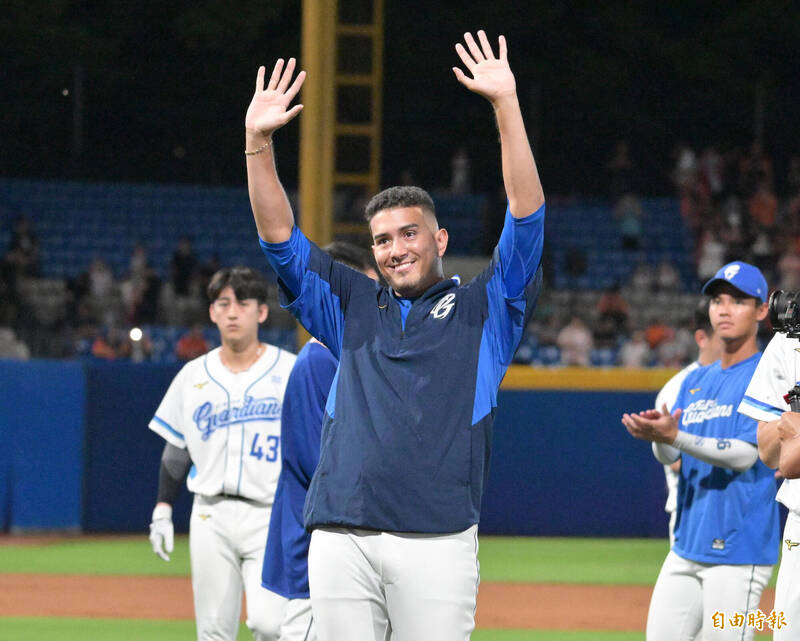
Professional baseball players from Venezuela, including former Fubon Guardians pitcher Enderson Franco and CTBC Brothers pitcher Nivaldo Rodriguez, are mobilizing relief efforts following a powerful earthquake that struck their home country. The seismic event, which occurred in late June 2026, has resulted in significant casualties and widespread infrastructure damage across the affected regions, prompting athletes currently playing in Taiwan’s Chinese Professional Baseball League (CPBL) to seek support for their compatriots.
According to reports from international news agencies, the earthquake has claimed at least 188 lives, with approximately 1,500 people reported injured and 157 individuals still missing as of late June. The disaster has drawn international attention due to the scale of the destruction, which has been exacerbated by the structural vulnerability of older buildings and reports of substandard construction practices in the region.
Athletes Respond to Crisis
For players like Enderson Franco, the distance between Taiwan and Venezuela has made the news of the disaster particularly difficult. Franco, who previously pitched for the Fubon Guardians, utilized social media platforms to communicate with fans and concerned observers, confirming his personal safety while expressing gratitude for the messages of support he received from Taiwan. His public outreach has focused on highlighting the dire situation on the ground and encouraging fans to contribute to recovery efforts.

Similarly, Nivaldo Rodriguez of the CTBC Brothers has leveraged his platform to raise awareness and coordinate aid. By speaking openly about the impact of the earthquake, these athletes have become vital conduits for information, helping to bridge the gap between the baseball community in Taiwan and the humanitarian needs in Venezuela. Their efforts reflect a broader trend of professional athletes using their public profiles to mobilize resources during natural disasters.
Scale of the Humanitarian Impact
The humanitarian situation remains fluid as rescue operations continue. Among the notable accounts of survival, emergency responders successfully rescued an 18-day-old infant who had been trapped under debris for 32 hours. This event has provided a focal point for rescue efforts, which remain focused on locating survivors amidst the rubble of collapsed residential and commercial structures.
Disaster analysts have pointed to a combination of geological factors and urban planning challenges as the primary reasons for the high casualty count. The seismic activity, described in some local reports as the most significant in a century, exposed critical weaknesses in building codes. Authorities in the affected areas have begun the complex process of assessing structural integrity while managing the immediate needs of thousands of displaced residents.
Official Response and Next Steps
The government of Venezuela continues to coordinate emergency response teams, including search and rescue specialists and medical personnel, to address the immediate aftermath of the quake. While international aid organizations are monitoring the situation, the primary relief efforts are being managed by national authorities in conjunction with local volunteer groups.
For those looking to stay informed, official updates regarding the search and rescue operations and guidance on approved aid channels are being disseminated through regional government outlets. As the recovery phase progresses, the focus is expected to shift toward long-term reconstruction and the evaluation of building safety regulations. The international community is waiting for further reports from civil protection agencies regarding the final status of those still reported missing. We encourage readers to follow official government channels for the most accurate information as the situation evolves.
Have you been following the relief efforts in Venezuela? Share your thoughts or information on how to support the recovery in the comments below.