
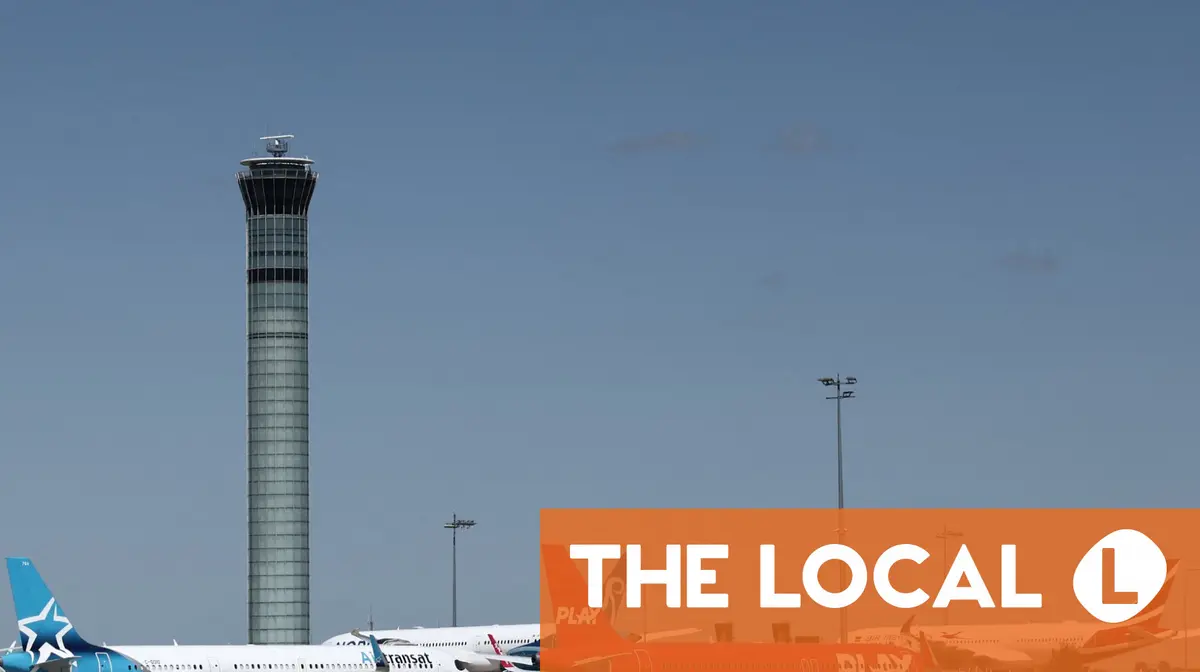
European Union officials are warning that the supply of jet fuel to the continent could face significant tightening this summer, despite recent signs of stabilization in the Strait of Hormuz. Dan Jørgensen, the European Commissioner for Energy, cautioned that structural constraints and global market volatility continue to threaten aviation fuel availability, potentially impacting air travel and logistics as the peak summer season approaches.
The Global Jet Fuel Supply Outlook
While maritime traffic through the Strait of Hormuz—a critical chokepoint for global energy shipments—has shown signs of improved stability, the broader energy market remains vulnerable to disruption. According to data from the International Energy Agency (IEA), jet fuel demand has surged as international tourism rebounds to pre-pandemic levels, creating a supply-demand imbalance that complicates efforts to build winter reserves.

Commissioner Jørgensen emphasized that while the immediate security concerns in the Middle East have not escalated as feared, the underlying logistical challenges remain. The European Union has worked to diversify its energy imports since the onset of the war in Ukraine, yet the specialized refining capacity required for aviation-grade kerosene remains concentrated in a limited number of global hubs. This concentration leaves the European market susceptible to even minor supply chain shocks.
Geopolitical Factors and Refining Constraints
The stability of jet fuel markets is tied directly to global refinery throughput. As noted by the U.S. Energy Information Administration, the transition to lower-sulfur fuels and the increased production of renewable diesel have occasionally diverted refinery feedstocks away from traditional jet fuel production. For European carriers, this means that even if crude oil prices remain within a predictable range, the “crack spread”—the price difference between crude oil and the refined products—can remain elevated, directly impacting operational costs for airlines.

Furthermore, the European Union’s ongoing sanctions on Russian petroleum products continue to reshape trade flows. Before 2022, Russia was a primary supplier of middle distillates to Europe. Replacing these volumes has required sourcing fuel from more distant markets, increasing the transit time and overall cost of delivery. The European Commission has previously highlighted that these logistical adjustments make the system less resilient to sudden spikes in demand or unexpected refinery maintenance outages.
What This Means for the Aviation Sector
The potential for a worsening supply situation poses a challenge for European airlines, which are already managing high passenger volumes. If jet fuel availability dips, aviation companies may face higher spot prices, which are often passed on to passengers through fuel surcharges. Industry analysts suggest that major airlines are hedging their fuel requirements to mitigate these risks, but smaller regional carriers may have less flexibility to absorb price volatility.
The European Union’s energy strategy is currently focused on long-term sustainability, including the ReFuelEU Aviation regulation. This policy requires fuel suppliers to increase the share of Sustainable Aviation Fuels (SAF) at EU airports. While this initiative is designed to decrease reliance on fossil-based kerosene, it also adds a layer of complexity to current supply management, as the infrastructure for large-scale SAF distribution is still in its infancy.
Addressing Potential Shortages
To mitigate the risk of shortages, the European Commission is coordinating with national energy ministries to monitor inventory levels closely. According to the European Commission’s Directorate-General for Energy, member states are encouraged to maintain strategic reserves that can be tapped during periods of extreme market tightness. This coordinated approach is intended to prevent localized shortages at major aviation hubs, such as Frankfurt, Paris-Charles de Gaulle, and Amsterdam Schiphol, which serve as the primary conduits for global travel into Europe.

The next official update regarding European energy security and fuel storage targets is expected during the upcoming Energy Council meeting. As the summer progresses, market participants will be watching for any changes in refinery output or shifts in global trade routes that could alleviate or exacerbate the current pressure on jet fuel inventories. Readers interested in the latest energy market updates can monitor the Transport, Telecommunications and Energy Council portal for official policy announcements and reports.
Have you observed changes in travel costs or logistics in your region? Share your insights in the comments below.