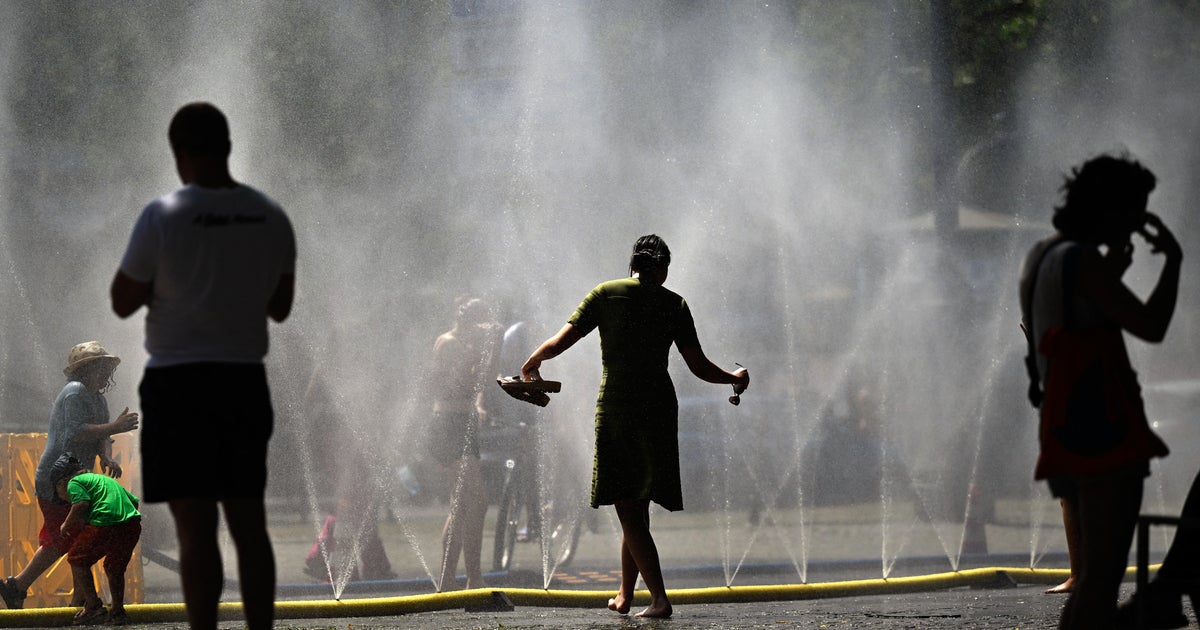
Record-breaking temperatures swept across Central Europe this past weekend, as Germany, Switzerland, and Denmark recorded some of their highest thermal readings of the year. According to the Deutscher Wetterdienst (DWD), Germany’s national meteorological service, parts of the country saw mercury levels climb toward 41 degrees Celsius (approximately 106 degrees Fahrenheit) on Saturday. The heatwave, driven by a plume of hot air originating from the Sahara, has prompted public health warnings and intensified concerns regarding the region’s increasing frequency of extreme weather events.
The intense heat was not confined to Germany. In Switzerland, meteorologists reported that the zero-degree isotherm—the altitude at which temperatures remain at freezing—reached a record-breaking elevation of 5,298 meters, surpassing the previous record set in 2022. This shift, tracked by MeteoSwiss, highlights the rapid warming trends affecting high-altitude alpine regions. Meanwhile, Denmark experienced its own thermal surge, with the Danish Meteorological Institute (DMI) confirming that several regions reached levels significantly above the seasonal norm for mid-summer.
Drivers of the Central European Heatwave
Meteorologists attribute the spike in temperatures to a stable high-pressure system that acted as a “heat dome,” trapping warm air over the continent. This atmospheric configuration prevented the usual influx of cooler, Atlantic-originated air, allowing the heat to intensify over consecutive days. According to the Copernicus Climate Change Service, this pattern is becoming more persistent in the European theater, contributing to prolonged periods of drought and environmental stress.
The movement of this air mass has been particularly concerning for infrastructure. In Germany, the DWD issued heat advisories, urging vulnerable populations to remain indoors and maintain hydration. The intensity of the heat on Saturday, which reached the 106-degree mark in localized areas, forced local municipalities to activate emergency cooling centers and adjust public transport schedules to account for potential rail buckling—a common risk when steel tracks expand under extreme heat.
Impact on Alpine Glaciers and Environment
The record altitude of the zero-degree isotherm in Switzerland carries significant implications for the country’s glaciology. When the freezing level sits well above the highest peaks of the Alps, ice that would typically remain protected from melting is exposed to prolonged warmth. The WSL Institute for Snow and Avalanche Research (SLF) has noted that such events accelerate the ablation process, leading to long-term glacial retreat that affects water runoff patterns for the entire Rhine and Rhône river basins.
These environmental shifts are not merely seasonal anomalies. Data from the World Meteorological Organization (WMO) indicates that Europe is warming at twice the global average rate. For countries like Denmark, the heat manifests differently, often leading to rapid evaporation that challenges agricultural output and increases the risk of wildfires in dry, forested areas, as noted in recent seasonal bulletins published by the DMI.
Public Health and Economic Considerations
The economic toll of such heatwaves is increasingly recognized by policymakers. Beyond the immediate strain on healthcare systems, the energy sector faces dual pressures: a surge in demand for air conditioning and a reduction in the efficiency of traditional power plants that rely on river water for cooling. According to reports from the European Statistical Office (Eurostat), labor productivity in outdoor sectors often declines during these periods, impacting construction and logistics industries across the bloc.
Public authorities in the affected nations have focused on adaptive strategies. In Germany, urban planning initiatives are being discussed to increase “green space” and improve ventilation in city centers to mitigate the urban heat island effect. These measures are part of a broader, ongoing effort to align national climate adaptation strategies with the guidelines set forth in the European Green Deal.
Monitoring Future Weather Patterns
The next official evaluation of the season’s temperature trends is scheduled for late August, when national meteorological services will release their consolidated data for the summer period. Until then, citizens are encouraged to monitor local updates via the official portals of the DWD, MeteoSwiss, and the DMI. These agencies provide daily briefings on thermal alerts and air quality indices.

As the region navigates these environmental shifts, the focus remains on the efficacy of existing infrastructure to withstand unprecedented heat. Readers are encouraged to share their experiences with local heat-mitigation efforts in the comments section below or join the discussion on our social media channels.
Keep reading