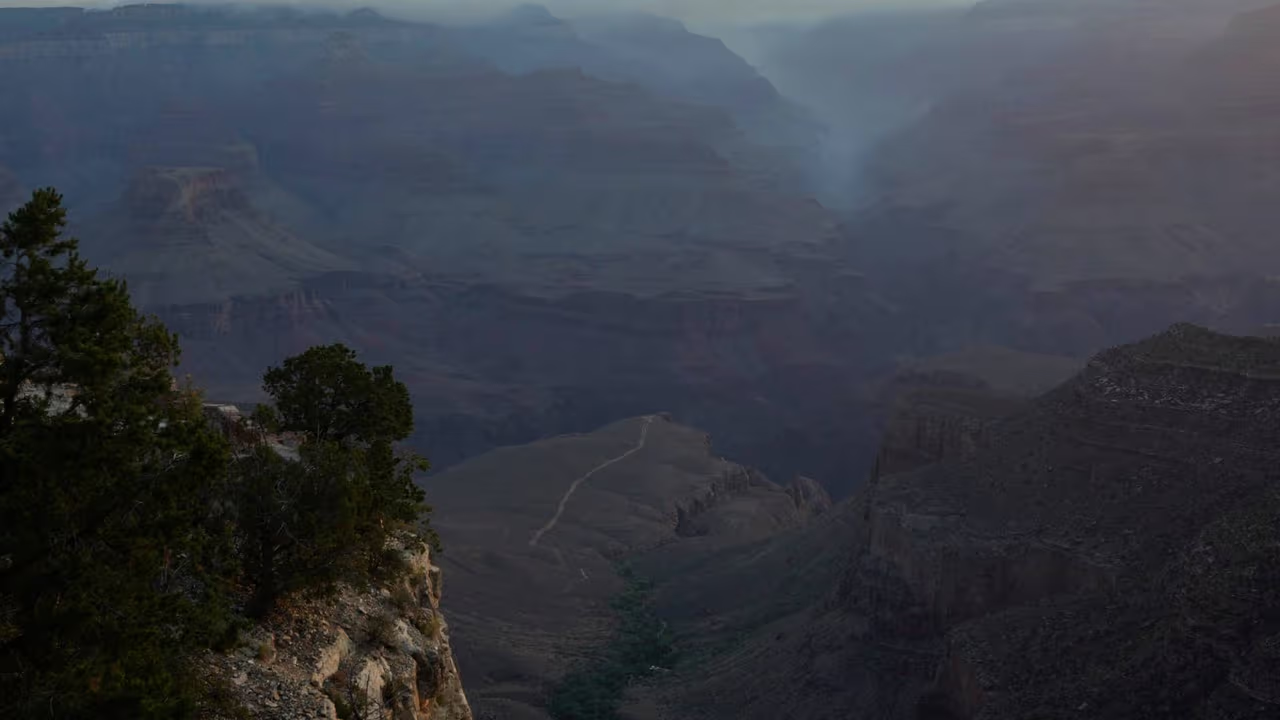
Arizona utility providers have initiated proactive power shutoffs in select northern regions this weekend as extreme “red flag” fire conditions pose a severe risk to public safety. According to official notifications from Arizona Public Service (APS), the preemptive outages are designed to prevent electrical infrastructure from sparking wildfires during a period of critical fire weather, characterized by high winds, low humidity, and parched vegetation.
The operational adjustments affect customers located east of Flagstaff and near the Grand Canyon, areas currently identified by the National Weather Service (NWS) as being under elevated fire danger. These measures, often referred to as Public Safety Power Shutoffs (PSPS), are a standard, albeit disruptive, emergency protocol employed by utility companies when meteorological conditions reach a threshold where the probability of ignition from power lines becomes unacceptably high.
Understanding the Red Flag Warning
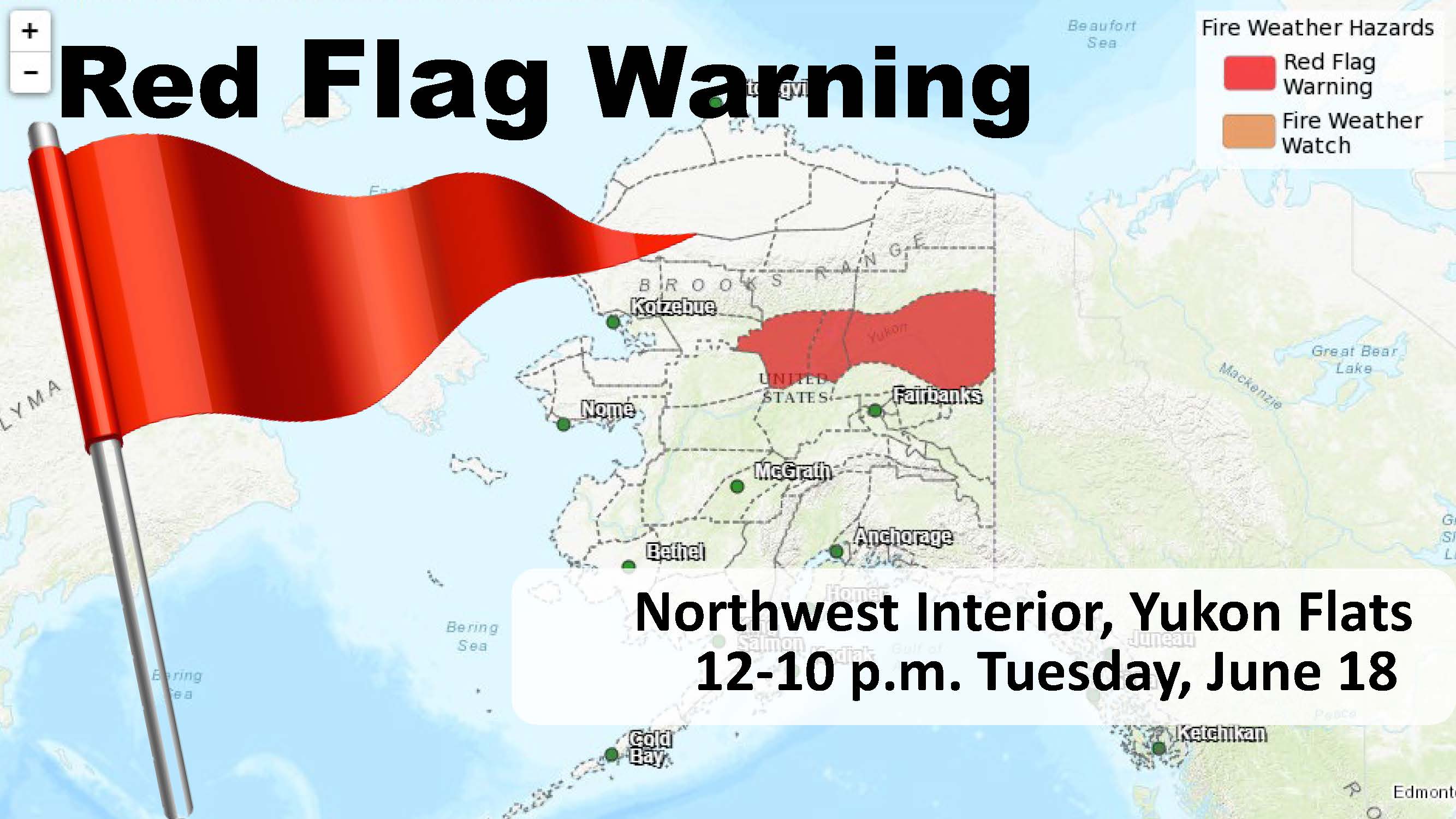
A “Red Flag Warning” is an alert issued by the National Weather Service to signal that weather conditions—specifically a combination of strong winds, low relative humidity, and warm temperatures—are ideal for rapid wildfire growth. As reported by the National Weather Service Fire Weather program, these warnings are intended to alert land management agencies and the public to the heightened risk of fire starts and the potential for existing fires to spread uncontrollably.
In northern Arizona, the rugged terrain and dense forest cover make the region particularly susceptible to rapid fire progression. When the NWS issues these warnings, utility providers monitor real-time data from localized weather stations to determine if the risk necessitates cutting power to specific circuits. For residents in the affected areas, this means preparing for potential disruptions that may last until the weather patterns shift and the fire danger subsides.
How Power Shutoffs Protect Communities
The decision to de-energize power lines is not taken lightly and follows strict safety guidelines established by state regulatory bodies. As noted in Arizona Corporation Commission filings regarding utility safety protocols, the primary objective of a PSPS is to minimize the risk of electrical equipment causing a wildfire. By removing electricity from the grid in high-risk zones, utilities effectively eliminate one of the potential ignition sources during the peak of a wind event.
Residents in the impacted zones are encouraged to maintain emergency kits and stay informed via official channels. Utility companies typically provide updates through their official wildfire safety portals, where customers can check for current outage maps, restoration estimates, and safety resources. These platforms serve as the primary source of truth for households navigating the weekend’s service interruptions.
Operational Protocols and Restoration
Once the Red Flag Warning expires and meteorological conditions return to safer levels, utility crews must perform mandatory safety inspections on the infrastructure before power can be restored. This process involves physical patrols of the power lines—often in difficult terrain—to ensure that no damage has occurred during the weather event and that it is safe to re-energize the grid. According to industry standards published by the Edison Electric Institute, these inspections are critical to preventing accidental ignitions during the restoration process itself.

The duration of the outages can vary significantly based on the severity of the weather and the geographic complexity of the affected circuits. While the inconvenience to residents is substantial, these preventative measures are considered a vital component of modern wildfire mitigation strategies in the American West. Residents should monitor local news and the APS outage center for the most up-to-date information regarding their specific service status.
This is a developing situation. Residents are encouraged to follow official emergency management social media accounts and utility alerts for real-time updates as the weather event progresses.
Worth a look