
United States military forces have conducted a second consecutive night of retaliatory strikes against targets in Iran following an uncrewed aerial vehicle (UAV) attack on a merchant vessel in the Strait of Hormuz. According to reports, the strikes were executed as a direct response to the drone strike. The ongoing military actions represent the most severe period of tension since the peace deal.
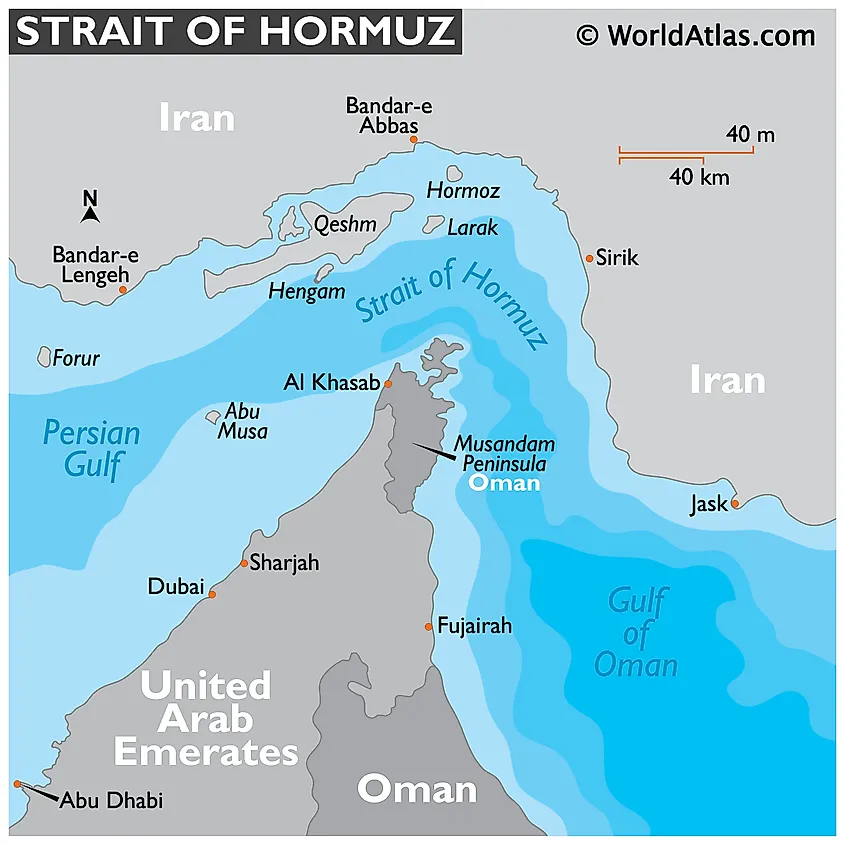
The latest series of strikes follows a pattern of heightened activity in the Middle East, where international shipping lanes have faced increasing threats. The U.S. military confirmed that the operations were intended to degrade the capabilities used to launch drone attacks against commercial, international-flagged vessels. These defensive measures remain focused on ensuring the freedom of navigation in critical global trade arteries, including the Strait of Hormuz, through which a substantial portion of the world’s oil supply transits.
Military Escalation and Maritime Security
The current cycle of violence began when a merchant tanker was struck by a drone while navigating the Strait of Hormuz. The identity of the vessel has not been officially disclosed by all parties, but the incident prompted immediate U.S. naval intervention. According to the Reuters news agency, the strike resulted in damage to the vessel’s hull. The U.S. military responded to the attack with precision strikes on infrastructure identified as being involved in the drone’s deployment.
Regional powers have expressed alarm at the situation. The strikes are strictly retaliatory and aimed at deterring further aggression against civilian shipping. The volatility in the region has been further complicated by broader geopolitical friction, with various Gulf nations issuing statements condemning the drone activity. The recent incident in Bahrain, where a drone attack was reported, has added pressure on regional security frameworks, threatening the stability of existing memorandums of understanding (MOU) between various Middle Eastern states and international partners.
Impact on Global Trade and Regional Stability
The Strait of Hormuz is widely considered one of the most vital maritime chokepoints globally. Any disruption in this area typically triggers immediate volatility in global energy markets. Analysts and industry observers are closely monitoring the situation to determine if the current military engagement will lead to a sustained closure or a significant increase in maritime insurance premiums for vessels operating in the region. The safety of crew members and the maintenance of open trade routes remain the primary objectives for international maritime authorities.
The escalation has forced a reassessment of security protocols for commercial fleets. Many shipping companies have begun advising their vessels to increase distance from Iranian coastal waters or to implement heightened surveillance measures. While the U.S. and its allies have engaged in direct military action, they have also signaled a desire to prevent a wider conflict. The diplomatic challenge remains the reconciliation of these security operations with the broader goal of regional de-escalation.
Current Status and Future Developments
As of this writing, the situation remains fluid. The U.S. military has not announced a specific end date for the current series of operations, stating only that they will continue to evaluate the threat environment. The international community is awaiting further briefings regarding the success of the strikes and the potential for a diplomatic off-ramp.
Central Command news portal. Observers are also watching for potential responses from the Iranian government, which has historically maintained that its maritime activities are defensive in nature. As the situation evolves, stakeholders continue to emphasize the need for de-escalation to prevent further harm to international commerce and regional peace. Readers are encouraged to monitor official government channels for the latest safety advisories and situational reports.
Related reading