
Small business owners and independent contractors can accept card payments using their iPhones without the need for traditional, bulky hardware. By utilizing near-field communication (NFC) technology, known as Tap to Pay on iPhone, or by connecting compact, low-cost card readers to a mobile device, merchants can process transactions securely while minimizing overhead costs. These mobile-first solutions allow for flexibility, enabling businesses to accept payments at pop-up shops, service calls, or retail counters with minimal initial investment.
Understanding Tap to Pay on iPhone
Tap to Pay on iPhone allows merchants to accept contactless payments directly on their mobile device using only the internal NFC chip. According to Apple’s official documentation, this feature supports contactless credit and debit cards, Apple Pay, and other digital wallets without requiring additional hardware. The process relies on the Secure Element in the iPhone to protect payment data, ensuring that transaction information remains encrypted throughout the process.
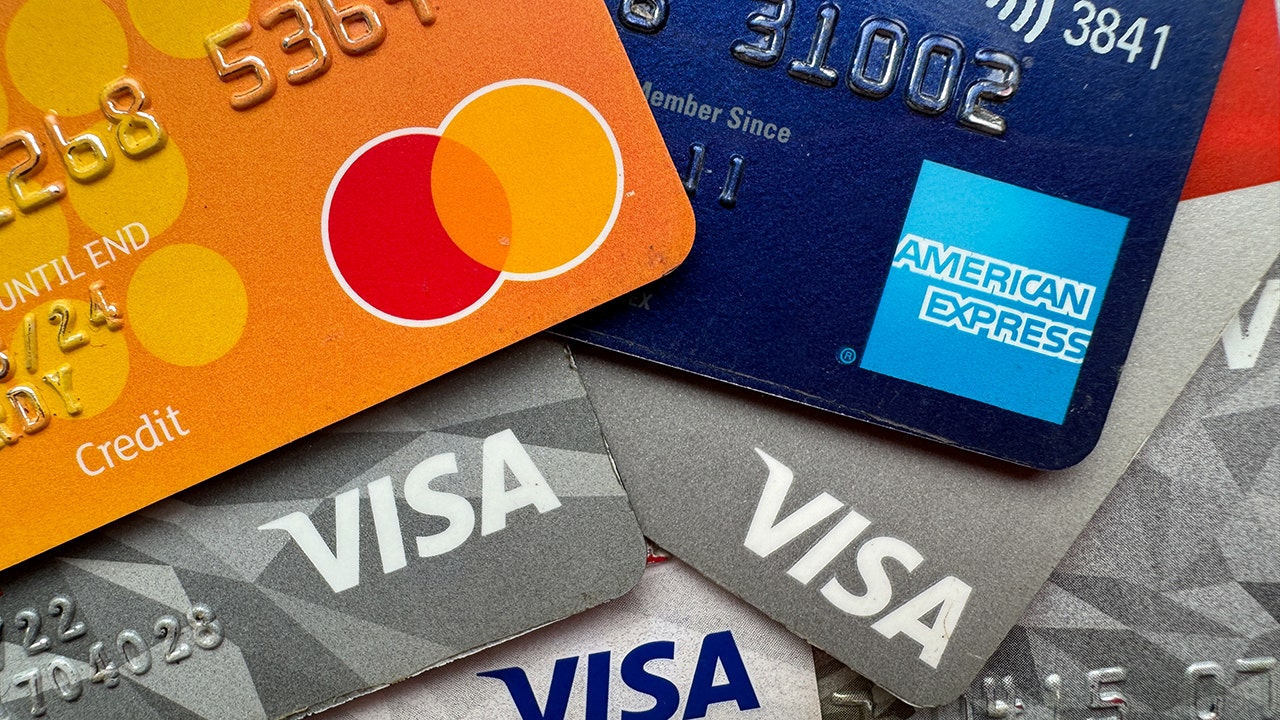
To utilize this capability, businesses must use a payment platform that supports the feature. Major providers, including Square, Stripe, and Shopify, offer integrations that enable Tap to Pay within their respective mobile applications. Merchants typically pay a per-transaction processing fee, which often aligns with standard card-present rates, but they avoid the capital expenditure of purchasing a physical terminal. For detailed requirements on device compatibility and regional availability, users can consult the official Apple support page regarding Tap to Pay.
Low-Cost Hardware Alternatives
When a physical card reader is necessary—such as for customers using older magnetic stripe cards or those who prefer inserting their cards—several companies offer entry-level hardware at little to no cost. These devices connect to an iPhone via Bluetooth or the Lightning/USB-C port, depending on the model.

Square remains a primary provider in this space, offering a basic magstripe reader that plugs into the headphone jack or Lightning port for free to new accounts. More advanced readers, such as those with chip and PIN capabilities, are typically sold at a discount or provided through starter kits. Similarly, PayPal Zettle and Shopify offer competitive hardware pricing for new merchants. It is essential for business owners to review the transaction fee structures of these providers, as “free” hardware often comes with higher per-transaction percentages compared to enterprise-grade terminal contracts.
Security and Compliance for Mobile Payments
Whether using a hardware reader or a software-based Tap to Pay solution, security remains the priority for payment processing. All legitimate mobile card readers and NFC-enabled apps must comply with the Payment Card Industry Data Security Standard (PCI DSS). This set of requirements ensures that businesses maintain a secure environment for processing, storing, and transmitting cardholder data.
According to the PCI Security Standards Council, merchants are responsible for ensuring that their payment acceptance methods are compliant. When using mobile readers, the hardware provider typically handles the encryption, but the merchant must ensure the iPhone’s operating system is updated regularly to maintain security patches. Avoid using unverified third-party card readers that do not explicitly state compliance with current EMV (Europay, Mastercard, and Visa) standards, as these may expose businesses to fraud liability.
Choosing the Right Solution for Your Business
Selecting the best tool depends on the volume of transactions and the types of payment methods customers prefer. For businesses that primarily handle contactless payments, Tap to Pay on iPhone is the most cost-effective route as it eliminates the need for shipping, battery management, and hardware maintenance.

However, if a business frequently handles older cards or operates in environments with poor internet connectivity, a dedicated Bluetooth-enabled reader may provide more reliability. Before committing to a service provider, merchants should perform a cost-benefit analysis of the following:
- Transaction Fees: Compare the percentage-based fees and flat-rate charges per transaction across different providers.
- Payout Speed: Check how long it takes for funds to be transferred from the payment processor to your business bank account.
- Integration: Ensure the payment app integrates with existing accounting software or inventory management tools.
- Hardware Durability: If choosing a physical reader, research the battery life and build quality to ensure it survives daily use.
The financial services industry is currently shifting toward more integrated mobile experiences. As of early 2024, many providers have updated their terms to simplify the onboarding process for micro-merchants. For the most current information regarding specific fee updates or hardware compatibility, visit the official websites of major payment processors like Square or Stripe. As these companies frequently update their software features, check your account dashboard for notifications regarding new capabilities or upcoming changes to your service agreement.
We encourage readers to share their experiences with different mobile payment hardware in the comments section below. Your insights help other small business owners make informed decisions about their payment infrastructure.
Related reading