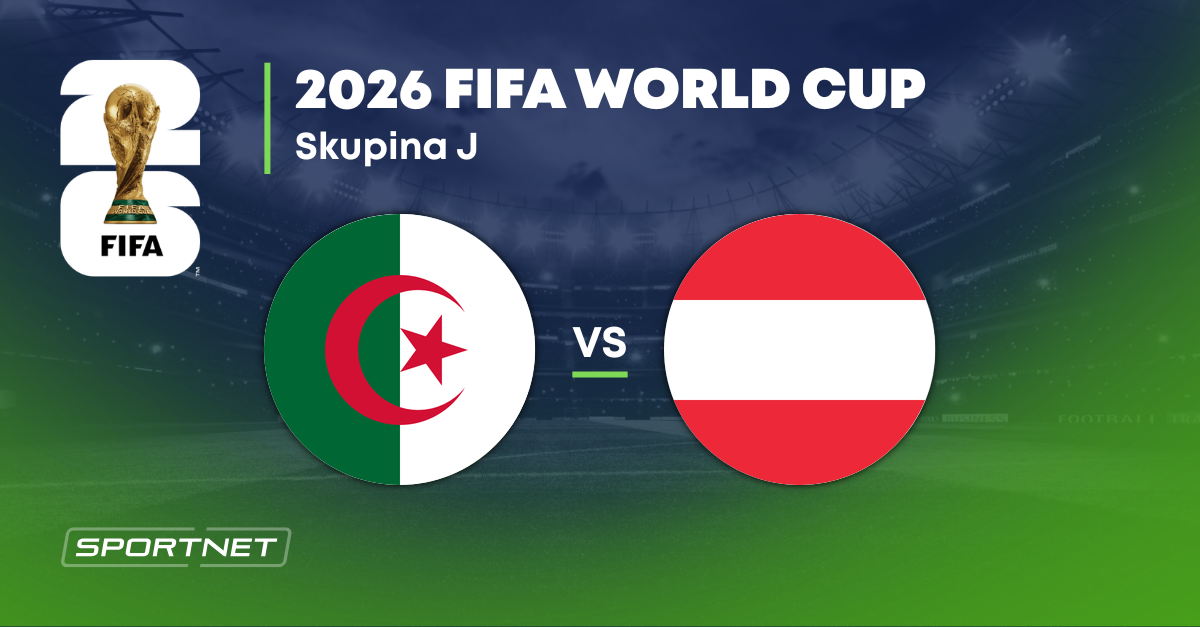
The Group J match between Algeria and Austria at the 2026 FIFA World Cup concluded in a dramatic draw, leaving both nations in a precarious position regarding the knockout stage qualification. The encounter, marked by a late-game offensive surge from both sides, ended without a definitive winner, fueling discussions about the strategic implications of the result for the final group standings.
As the tournament progresses, the dynamics within Group J have become increasingly complex. The draw has created a scenario where mathematical permutations and goal difference will likely determine which teams advance to the next round of the competition. According to reports from the tournament venues, the intensity of the final minutes reflected the high stakes facing both the Algerian and Austrian squads.
Match Dynamics and Tactical Developments
The contest between Algeria and Austria was characterized by a tactical stalemate that broke open in the closing stages of the match. While much of the regulation time featured cautious play and defensive discipline, the final minutes saw an unexpected shift in tempo. Both teams abandoned their conservative approaches in a desperate attempt to secure three points, leading to a series of rapid transitions and goal-scoring opportunities.
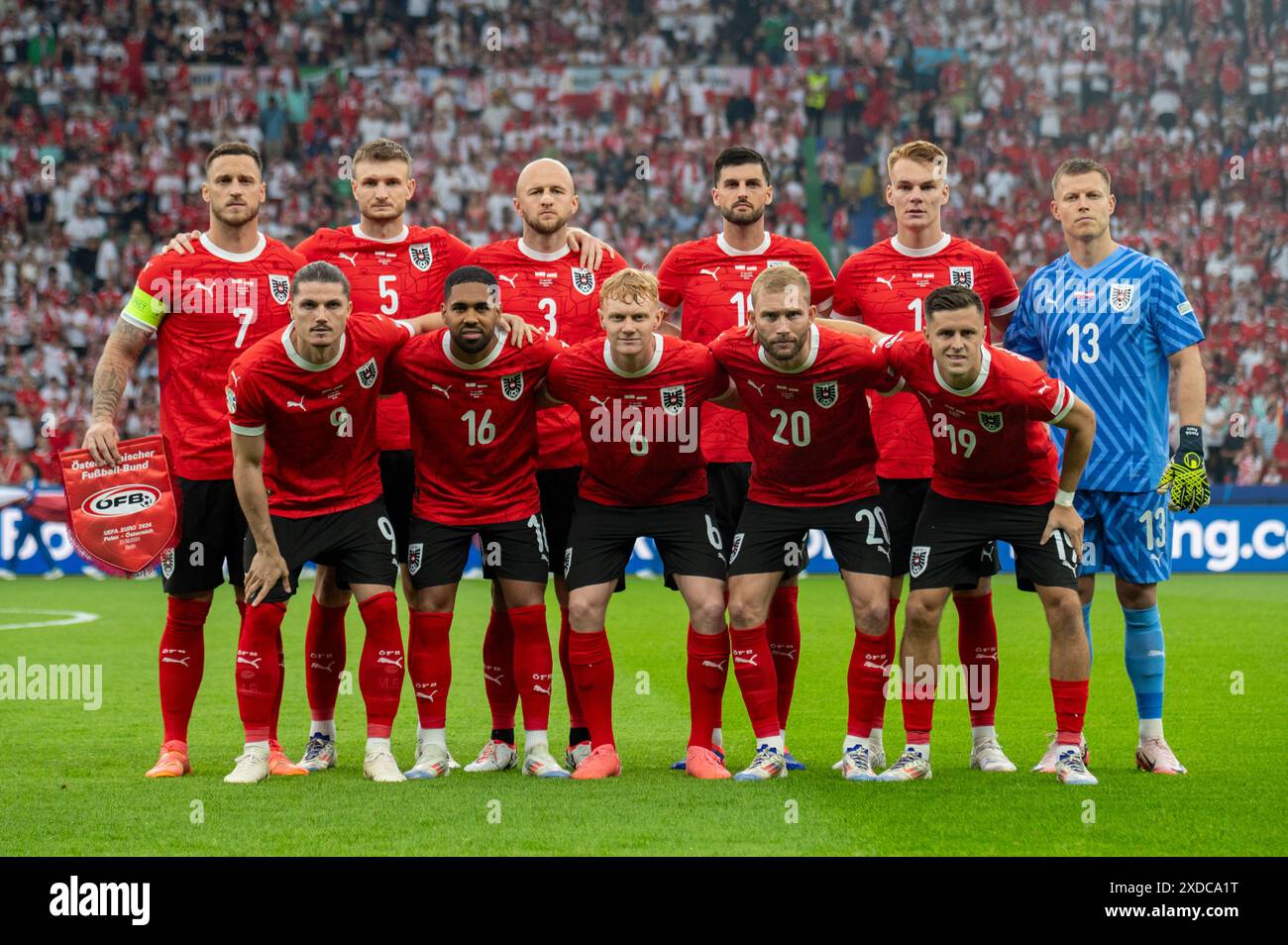
Observers noted that the late-game “shootout” atmosphere was a departure from the earlier segments of the match, which had been criticized for a lack of offensive urgency. This transition from a defensive posture to an aggressive exchange in injury time highlighted the pressure felt by both coaching staffs to secure a favorable position before the final group fixtures. The inability of either side to capitalize on their late chances ultimately resulted in a share of the points.
The Arithmetic of Group J
The draw has placed both Algeria and Austria in a position where the outcome of their final group matches becomes critical. In the current tournament structure, teams are balancing the risk of pushing for a win against the danger of conceding late on the counter-attack. The situation has been described as “absurd” by some analysts, as the incentive to win is now tempered by the potential for defensive vulnerability.
For Austria, the focus now shifts to maintaining stability in their defensive line, while Algeria must find more clinical finishing in the final third. With the group standings tightly packed, any further dropped points could prove costly. FIFA officials continue to monitor the integrity of the group phase, ensuring that all matches are contested in accordance with the tournament’s fair play regulations, as outlined in the official 2026 FIFA World Cup competition regulations.
What Happens Next
Both teams are now preparing for their respective final matches in the group stage. These fixtures will determine the final ranking and the path to the round of 32. Fans and analysts alike are looking toward the upcoming schedule to see how the managers rotate their squads to manage player fatigue and tactical requirements. The official match schedule and updated standings are available on the official FIFA tournament portal.

The sporting community in Lisbon and across the globe remains focused on these developments as the tournament enters its final phase. As the competition moves toward its conclusion, the focus will remain on the performance of individual athletes and the tactical maneuvers of the participating national teams. Please share your thoughts on the match and your predictions for the remainder of Group J in the comments section below.
Worth a look
- Team Wales Captain Olivia Breen Wins T38 Long Jump Gold at Glasgow Commonwealth Games
- Standard Liège: Thomas Henry’s Transfer to Panetolikos Collapses After Failed Medical
- Emmerdale Spoiler Alert: Mack and Ross’s Relationship in Shambles – What’s Next for the Torrey Twins? Emmerdale Latest Drama, Mack and Ross Change, Ross Griffin Update (archyworldys.com)