
Cinema chains and Hollywood studios are increasingly using limited-edition collectible popcorn buckets as a primary marketing tool to increase per-customer spending. By transforming standard concessions into high-demand merchandise, theaters aim to capitalize on fan loyalty and social media trends, providing a critical high-margin revenue stream to offset fluctuating ticket sales.
The shift toward “merchandise-as-concession” marks a strategic evolution in how film exhibitors approach profitability. Rather than viewing popcorn and soda as simple food commodities, industry players are treating them as collectible assets. This tactic targets specific demographics, particularly younger audiences and dedicated fanbases, who are more likely to purchase non-essential items to commemorate a cinematic event.
According to industry analysts, this trend is part of a broader effort to maximize the “per-capita” spend—the amount of money an individual customer spends during a single visit. As ticket prices rise and the split of box office revenue between studios and exhibitors remains a point of negotiation, the high margins found in concessions have become essential to the financial stability of theater chains.
How Collectible Buckets Boost Cinema Profit Margins
The economic logic behind collectible popcorn buckets lies in the significant difference between ticket revenue and concession margins. In the traditional theatrical model, exhibitors often share a substantial portion of ticket sales with film studios. Industry data suggests that while ticket splits can vary, exhibitors frequently receive only 40% to 55% of the box office gross, depending on the film’s performance and the studio’s leverage.
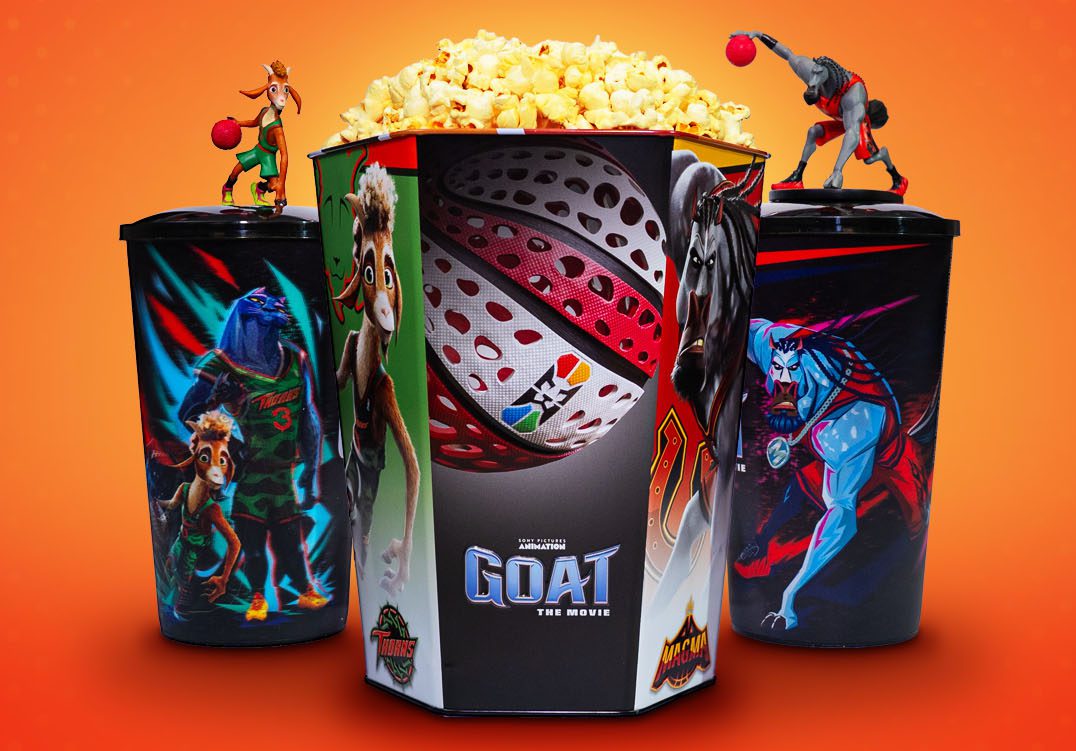
In contrast, concession items like popcorn and beverages carry much higher profit margins. While the exact figures are proprietary to individual chains, retail analysts have long noted that snacks often represent the most profitable segment of theater operations. By introducing a “collector” element, theaters can justify a higher price point for a bucket that might otherwise cost a few dollars to produce.
A standard popcorn bucket is a commodity. A limited-edition, character-themed bucket designed for a major franchise release is a piece of merchandise. This distinction allows exhibitors to move from a volume-based sales model to a value-based model, where the perceived rarity of the item drives a higher willingness to pay among consumers.
This strategy also helps mitigate the impact of “windowing” changes—the period of time a film stays exclusively in theaters before moving to streaming services. If a consumer feels they can watch a movie at home shortly after its release, the incentive to visit a theater diminishes. However, the opportunity to own a physical, limited-run item creates a sense of urgency that streaming cannot replicate.
The Psychological Drivers of Movie Merchandise Trends
The success of these marketing campaigns relies heavily on the psychological principles of scarcity and social proof. When a cinema announces that a specific themed bucket is available for a limited time or in limited quantities, it triggers “Fear Of Missing Out” (FOMO) among collectors and casual fans alike.
Scarcity marketing is a well-documented tactic used to accelerate purchasing decisions. By framing the popcorn bucket as a “collector’s item” rather than a food container, studios tap into the collector’s mindset. This is particularly effective with major franchises such as Star Wars, the Marvel Cinematic Universe, or recent hits like Dune, where the audience often possesses a deep emotional connection to the intellectual property.
Social proof also plays a critical role. When fans see others displaying their unique purchases, it validates the purchase and creates a desire for participation. This cycle is further amplified by the physical nature of the products, which are designed to be visually striking and “unboxing-friendly,” making them ideal for digital sharing.
The Impact of Social Media on Cinema Merchandising
Social media platforms, particularly TikTok and Instagram, have become unintentional but powerful marketing engines for cinema merchandise. The visual nature of collectible buckets makes them perfect content for short-form video. Trends often emerge where users showcase their “hauls” or film themselves reacting to the design of a new bucket.

This organic digital visibility provides exhibitors with free advertising that reaches highly targeted demographics. A single viral video of a unique popcorn bucket can lead to localized sell-outs, creating a feedback loop of demand. For studios, this means that the design of the merchandise is almost as important as the design of the film’s promotional posters.
However, this digital visibility is a double-edged sword. If a design is perceived as low-quality or overly expensive, the backlash can be immediate and widespread across social media channels. The pressure to deliver “Instagrammable” products has forced design teams at major chains to invest more heavily in the aesthetic and tactile quality of their concession offerings.
What This Means for the Future of Moviegoing Experiences
As the cinema industry continues to navigate a post-pandemic landscape, the focus is shifting from mere attendance to “experience-based” revenue. This involves transforming a trip to the movies from a passive viewing event into an active, multi-sensory experience that includes exclusive merchandise, themed food, and interactive elements.
The rise of the collector bucket is a precursor to more integrated merchandising strategies. We can expect to see further convergence between cinema concessions and traditional retail, where the items purchased at the theater are designed to be displayed in homes, effectively turning every moviegoer into a walking advertisement for the film’s brand.
For theater owners, the challenge will be balancing the desire for high-margin merchandise with the need to maintain a welcoming environment for general audiences who may find excessive merchandising distracting or overpriced. The long-term success of this tactic will depend on the ability of studios to create items that feel like genuine rewards for fandom rather than mere opportunistic upselling.
Frequently Asked Questions
Why are movie theaters selling collectible buckets instead of just snacks?
The buckets serve as high-margin merchandise. While snack sales are important, collectible items allow theaters to charge a premium and tap into the collector market, which provides a more significant boost to the bottom line than standard concessions.
Do these buckets actually help the film industry recover?
While they are not a cure-all for declining ticket sales, they provide a critical secondary revenue stream. By increasing the amount of money spent per person, theaters can improve their financial health even when attendance numbers fluctuate.
Is this trend only for major blockbuster movies?
Currently, the trend is most prominent with major franchise releases (e.g., Disney, Warner Bros.) because these films have the established fanbases necessary to drive collector demand. However, the model is being studied for wider application.
The next major indicator of this trend’s success will be the quarterly earnings reports from major theater chains, which will detail the specific impact of concession and merchandise growth on overall profitability. What are your thoughts on the rise of collectible cinema merchandise? Are these items worth the premium, or do they detract from the movie experience? Share your views in the comments below.
Worth a look