
The relationship between Donald Trump and Republican senators is currently undergoing a significant transformation as the party prepares for the 119th Congress. While the Republican Party maintains control of the U.S. Senate, internal divisions persist between the “MAGA” populist wing and traditional institutionalists. This friction centers on legislative priorities, judicial appointments, and the transition of Senate leadership following Mitch McConnell’s departure.
Why is the relationship between Donald Trump and Republican senators shifting?
The tension between Donald Trump and many members of the Republican Senate stems from a fundamental ideological divide regarding the direction of the GOP. For much of the last decade, the party has been split between the traditionalist approach, often associated with former Senate Leader Mitch McConnell, and the populist, “America First” movement championed by Trump. This divide influences how senators respond to Trump’s policy demands and his influence over party discipline.
According to political analysts and legislative observers, the friction often manifests during high-stakes votes, such as those involving judicial nominees or major spending bills. While some senators, like Senator Josh Hawley of Missouri or Senator Ted Cruz of Texas, have aligned closely with Trump’s populist agenda, others have historically prioritized Senate norms and institutional stability. This creates a complex landscape where the President’s ability to command party loyalty is not as absolute as it was during his first term.
This shift is also driven by the changing demographics of the Republican caucus. As the party moves toward a more populist base, the influence of senators who prioritize traditional conservative fiscal policy or internationalist foreign policy has waned. The rise of the MAGA movement within the Senate means that the party’s leadership must now balance the demands of a populist president with the procedural requirements of a governing body.
How does the leadership transition in the Senate affect GOP unity?
A critical factor in the current dynamic is the transition in Republican leadership. Senator Mitch McConnell, who has served as the face of the Republican Senate for years, announced he would step down from his leadership position in late 2024. This departure marks the end of an era characterized by a highly disciplined, strategic approach to Senate procedure and judicial confirmations.
Senator John Thune of South Dakota has emerged as the successor, having been elected by his colleagues to lead the Republican conference in the 119th Congress. The transition from McConnell to Thune represents a pivotal moment for the party. While Thune is viewed as a capable legislator, the question remains how his leadership style will navigate the intense pressure from the Trump administration to enact a rapid and aggressive legislative agenda.
The leadership change impacts how the Senate interacts with the White House. Under McConnell, the relationship was often transactional and focused on long-term judicial strategy. Under the new leadership, the Senate must determine whether it will act as a collaborative partner to the Trump administration or as a check on its more controversial executive actions. The ability of the new leadership to maintain caucus unity will be tested by the diverse interests of both the populist and moderate wings of the party.
What role do election reforms play in Republican Senate dynamics?
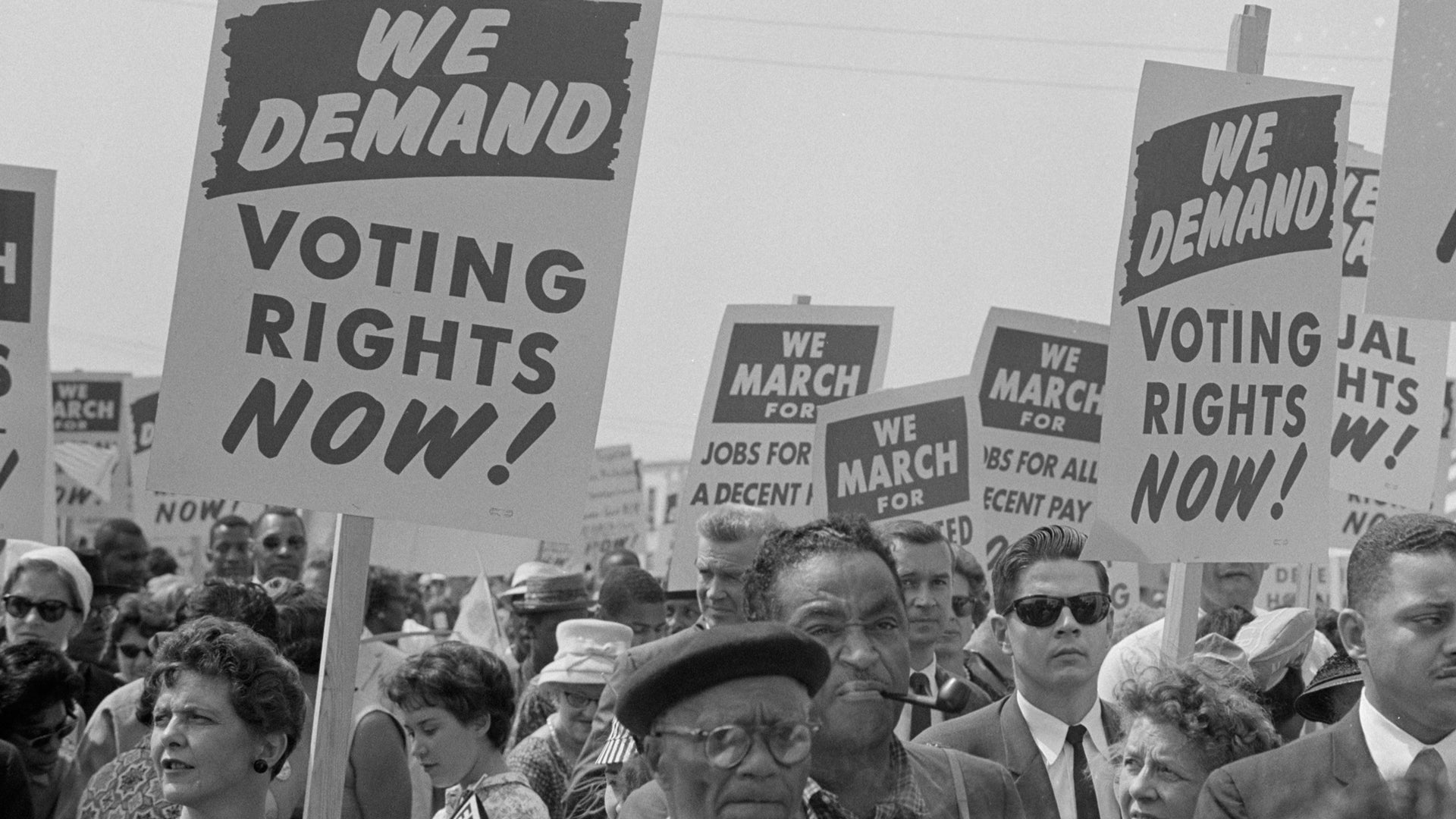
Legislative debates regarding election integrity and reform have become a central flashpoint for both the Republican Party and its relationship with Donald Trump. Discussions surrounding electoral reform often involve proposals to tighten voting requirements, including the mandatory production of identification to cast a ballot. These measures are frequently framed by Republican leadership as essential steps to ensure the security and legitimacy of the electoral process.
The push for stricter voter ID laws and restricted voting modalities is a key component of the Republican legislative platform. These reforms are designed to address concerns regarding election security, a theme that has been central to Donald Trump’s political rhetoric. For Republican senators, supporting these measures is often seen as a way to align with their constituents and the party’s broader mission of “election integrity.”
However, these policy areas also serve as potential sites of friction. While the mainstream Republican platform supports these reforms, the specific implementation and the intensity of the rhetoric surrounding them can create tension. Senators must navigate the fine line between implementing secure voting procedures and avoiding accusations of voter suppression, all while maintaining alignment with the President’s stated goals regarding the 2020 election and future electoral cycles.
How will the 119th Congress address the Trump administration’s agenda?
As the 119th Congress begins, the Republican-controlled Senate faces the task of codifying the Trump administration’s “America First” agenda into law. This agenda includes significant shifts in immigration policy, trade, and domestic deregulation. The success of these initiatives depends heavily on the Senate’s ability to pass legislation that can withstand both judicial scrutiny and the complexities of the legislative process.
Key areas of focus for the incoming Congress include:
- Border Security and Immigration: Implementing stricter enforcement measures and addressing the humanitarian and security concerns at the U.S.-Mexico border.
- Economic Policy: Pursuing tax reforms and deregulation to stimulate domestic industry and reduce the federal footprint.
- Judicial Confirmations: Continuing the conservative transformation of the federal judiciary through the appointment of lifetime-tenured judges.
- Energy Independence: Expanding domestic energy production through the streamlining of permits and the promotion of fossil fuel resources.
The ability of the Senate to move on these items will depend on the degree of cohesion within the Republican caucus. If the divide between the populist and institutionalist wings remains wide, the Senate may face gridlock on even the most fundamental party priorities. Conversely, a unified front would allow the Trump administration to execute its agenda with unprecedented speed.
Comparison of Republican Senate Leadership Eras
| Feature | McConnell Era | Thune/New Era |
|---|---|---|
| Primary Focus | Judicial appointments and procedural mastery. | Implementing “America First” policy and caucus unity. |
| Relationship with Trump | Strategic, often transactional, and occasionally tense. | Expected to be more closely aligned with the MAGA movement. |
| Caucus Composition | Stronger institutionalist/moderate presence. | Increasingly dominated by populist/MAGA-aligned members. |
| Legislative Style | Incrementalism and tactical obstruction/advancement. | Potentially more aggressive in pursuing executive goals. |
The next major checkpoint for the Republican Senate will be the formal swearing-in of the 119th Congress and the subsequent organizational votes to establish committee assignments and leadership roles. These actions will provide the first clear indication of how the new Senate leadership intends to manage the party’s internal divisions and its relationship with the White House.
What do you think about the shifting power dynamics in the U.S. Senate? Share your thoughts in the comments below and share this article with your network.
Related reading