
Apple is reportedly preparing to refresh its smart home hardware lineup, with new versions of the Apple TV and HomePod mini currently in development. Industry reports suggest these devices are expected to arrive as early as late 2024 or early 2025, with a primary focus on integrating advanced artificial intelligence capabilities into the home ecosystem, according to reporting from Bloomberg.
As the smart home market shifts toward more proactive, AI-driven automation, these hardware updates appear designed to better position Apple’s ecosystem against competitors like Amazon’s Alexa and Google Home. While Apple has yet to confirm specific release dates or technical specifications, the focus on “under-the-hood” improvements points to a significant push for on-device processing, which is central to Apple’s broader strategy regarding privacy-focused AI development.
The Evolution of Apple’s Smart Home Strategy
For several years, Apple’s smart home strategy has centered on the HomeKit framework and the Matter interoperability standard, which aims to simplify device connectivity across different manufacturers. By introducing more powerful processors into the Apple TV and HomePod mini, the company aims to move beyond simple voice commands and basic automation. According to The Verge, these devices are expected to leverage machine learning to better understand user habits and provide more context-aware responses, potentially reducing latency by processing data locally rather than relying exclusively on cloud-based servers.
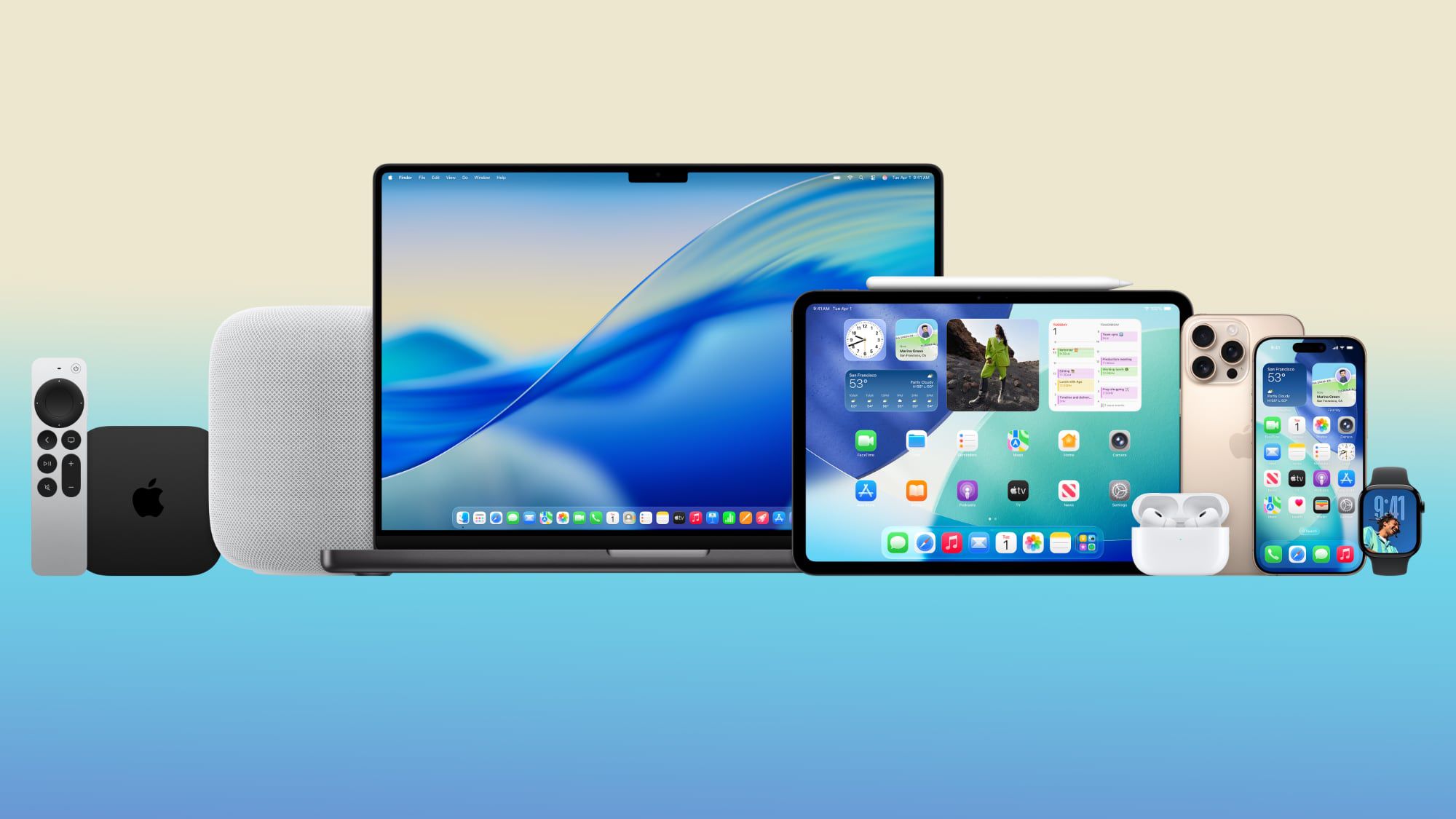
This shift is particularly important for the HomePod mini. Since its launch, the device has served as a compact entry point into the Apple ecosystem, but it has faced stiff competition from larger, more display-centric devices. Integrating more robust AI could allow the HomePod mini to act as a more capable “brain” for the home, managing complex security, lighting, and climate control automations with minimal user input.
Why Hardware Upgrades Matter for AI
The performance of artificial intelligence in a smart home environment is heavily dependent on the underlying hardware, specifically the Neural Engine found in Apple’s A-series and S-series chips. Current models of the HomePod mini utilize the S5 chip, which was first introduced in the Apple Watch Series 5. Industry analysts note that to support more complex large language models (LLMs) or sophisticated voice recognition, a hardware refresh is likely necessary to provide the required thermal headroom and computational power.
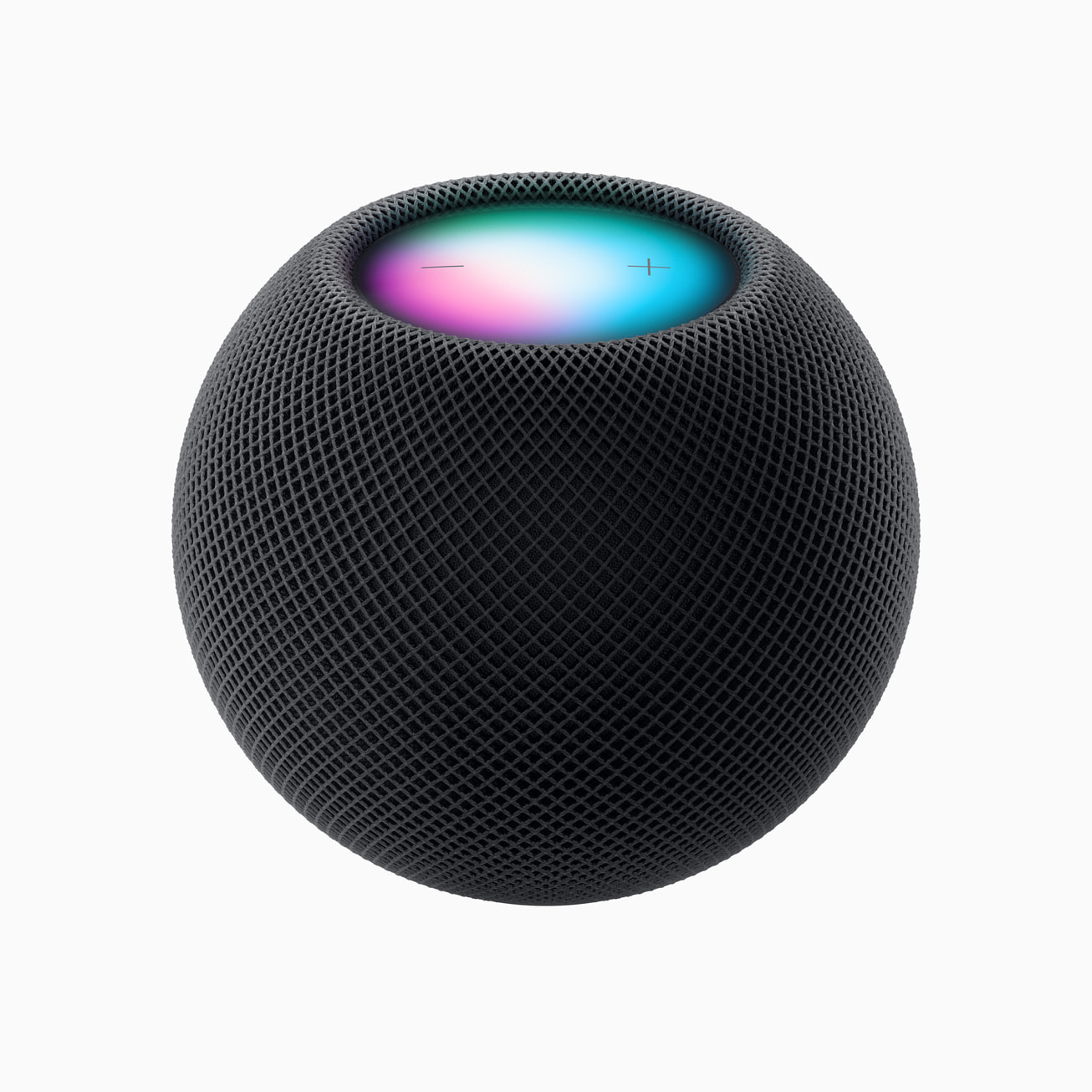
Apple’s emphasis on “on-device” processing is a key differentiator in the tech industry. By keeping voice data and behavioral patterns on the local device, Apple maintains its public stance on user privacy. This strategy, as noted in recent official Apple press communications regarding its broader “Apple Intelligence” platform, suggests that the next generation of smart home devices will likely be optimized for these specific privacy-first AI tasks.
Anticipating the Next Generation of Apple TV
The Apple TV has long functioned as a central hub for HomeKit, but its role is expected to expand. Recent leaks indicate that a future version of the Apple TV might include a built-in camera to facilitate FaceTime and gesture-based controls. This evolution would align the device more closely with the capabilities of high-end smart displays, offering a more unified interface for television viewing and home management.
According to MacRumors, the development of these devices is part of a broader “smart home” initiative that includes exploring new form factors, such as a dedicated smart display that could compete directly with the Amazon Echo Show. While the Apple TV and HomePod mini remain the primary focus, the expansion of the product line suggests that Apple intends to capture a larger share of the home automation market throughout the coming fiscal year.
What Consumers Should Expect Next
While the hardware updates are highly anticipated, Apple has not provided a formal roadmap for these specific product launches. The company typically hosts events in the fall to showcase its latest iPhone and Apple Watch models, and it is possible that any new smart home hardware could be unveiled alongside these products or at a dedicated event later in the year.
For current users, the most significant change may not be the hardware itself, but the accompanying software updates for tvOS and HomePod software. As Apple continues to integrate its AI services across its ecosystem, these devices are expected to receive firmware updates that enable more advanced automation features, regardless of whether a user chooses to upgrade their physical hardware immediately. Readers are encouraged to monitor Apple’s official newsroom for verified announcements regarding upcoming product release dates and feature availability.
Worth a look