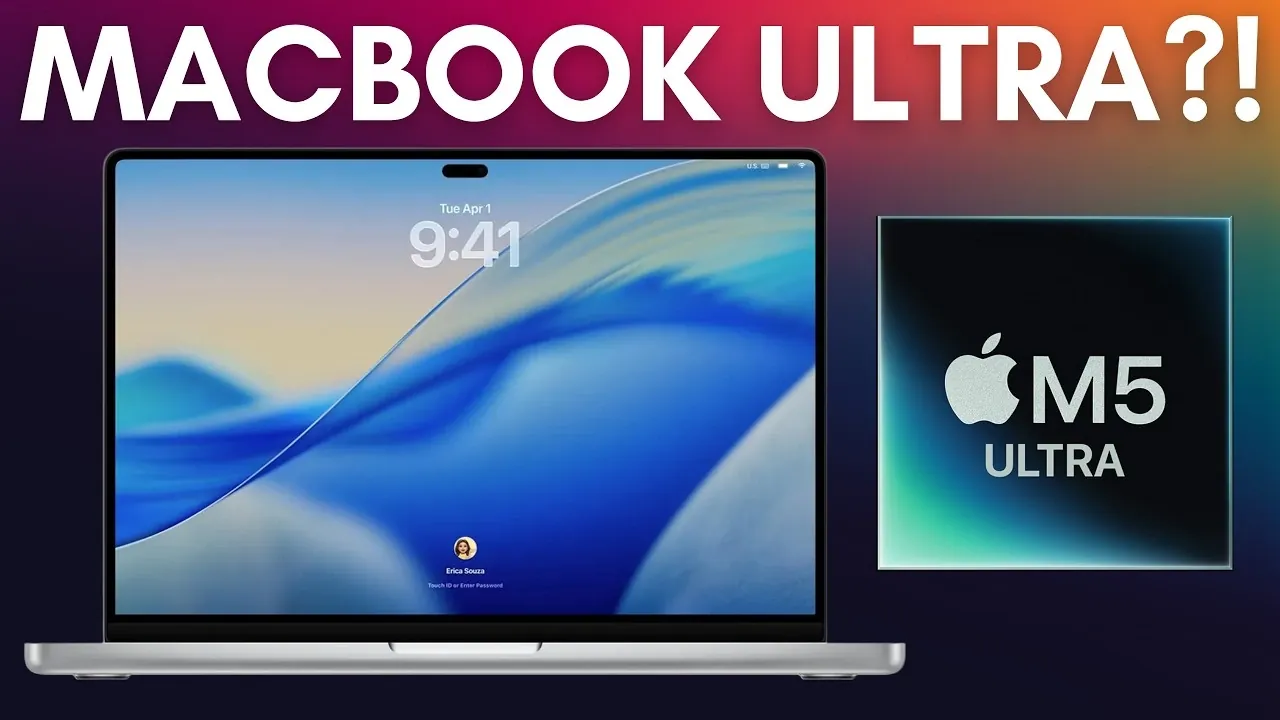
Apple has not officially announced a “MacBook Ultra,” but reports suggest the company could bring OLED, touch support, new silicon, and a higher-end laptop tier, but timing remains uncertain.
The rumor mill regarding an "Ultra" branded MacBook often centers on the company’s desire to bridge the gap between the MacBook Pro and a hypothetical, more premium device. However, distinguishing between internal prototypes and actual product roadmaps remains a primary challenge for hardware analysts.
Evaluating the Case for an Ultra-Tier MacBook
The concept of an “Ultra” MacBook stems largely from Apple’s existing naming conventions in its silicon lineup. With the introduction of the M1 Ultra, M2 Ultra, and M3 series chips, the “Ultra” suffix has become synonymous with Apple’s most powerful proprietary hardware. Industry observers have previously noted that Apple often explores new form factors to showcase its latest advancements in chip architecture.
If Apple were to launch a higher-tier laptop, it would likely need to offer a distinct hardware advantage over the current MacBook Pro models. Historically, Apple has used display technology as a primary differentiator. Reports have indicated that major display manufacturers are working with Apple to transition toward OLED panels for future portable devices. OLED technology offers deeper blacks and improved contrast ratios compared to the current Liquid Retina XDR displays, which utilize Mini-LED backlighting.
Touch Support and Display Evolution
One of the most persistent rumors involves the introduction of touch-screen functionality to the MacBook line. For years, Apple executives have maintained that the iPad serves as the company’s primary touch-based computing device. However, as operating systems like macOS and iPadOS continue to share more underlying code, the technical barrier for adding touch support to a MacBook has decreased.

According to Apple’s official newsroom, the company remains focused on optimizing the user experience for trackpad and keyboard input. While patents filed by the company have explored various touch-input mechanisms, a company spokesperson has not confirmed any plans to deviate from the traditional laptop interface. Integrating a touch screen would require a significant redesign of the macOS user interface, which is currently optimized for precision cursor control rather than finger-based touch targets.
The Role of Next-Generation Silicon
The “Ultra” designation implies performance capabilities that exceed current mobile processors. The current Apple silicon trajectory—moving from M-series base chips to Pro, Max, and Ultra variants—suggests that a laptop labeled “Ultra” would likely require advanced thermal management systems to handle the increased power draw.
In terms of performance benchmarks, Apple’s MacBook Pro currently leads the industry in power efficiency. Developing a chassis that can sustain the high thermal output of an “Ultra” class chip without compromising the portability that defines the MacBook brand is a significant engineering hurdle. Whether Apple chooses to pursue this via a thicker chassis or more advanced cooling technology remains a point of speculation among industry analysts.
What Happens Next?
For consumers waiting for a potential MacBook Ultra, the most reliable information will come directly from Apple’s scheduled product events. Historically, Apple holds its major hardware announcements in the fall, though specialized Mac-focused events occasionally occur in the spring. As of this writing, there are no verified invitations or regulatory filings that point to an imminent launch of a new, high-end laptop tier.
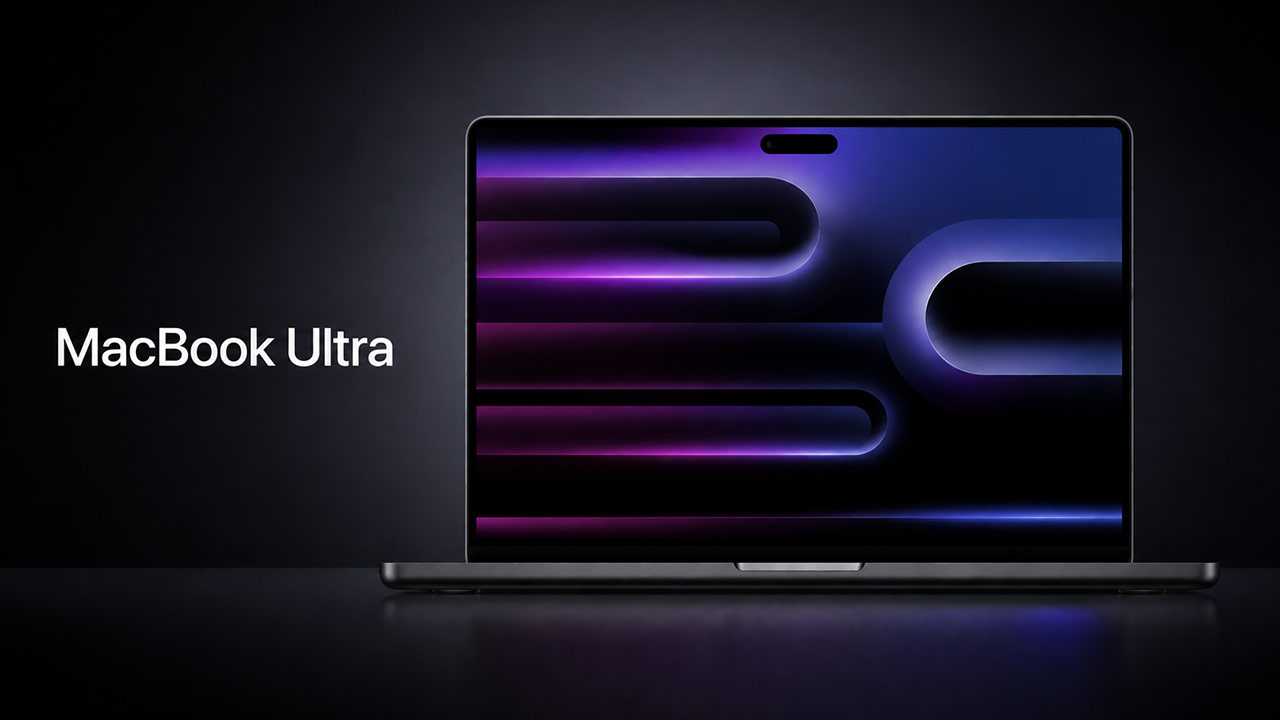
Investors and enthusiasts should monitor Apple’s quarterly earnings calls, where executives often provide broad updates on the company’s R&D focus and product strategy. While the “Ultra” moniker is a natural fit for Apple’s branding strategy, the company has not provided any evidence that such a device is entering mass production. Readers are encouraged to share their thoughts on whether they would prefer a touch-screen MacBook or if they value the current focus on performance and battery life.