
Turin is currently grappling with a severe heatwave as temperatures reached peaks of 39°C (102.2°F) this week, placing significant strain on the city’s emergency medical services. According to reports from local health authorities and regional emergency dispatchers, the extreme conditions have led to a surge in medical interventions, with the 118 emergency service recording approximately 1,000 calls related to heat-related illnesses in recent days.
The persistent heat, characterized by high humidity and minimal nighttime relief, has forced local hospitals to manage a spike in admissions. As of the latest update from the Piedmont regional health department, four individuals have been admitted to intensive care units due to complications directly linked to the extreme temperatures. Health officials continue to monitor the situation as the persistent high-pressure system remains over Northern Italy, according to the Regional Agency for Environmental Protection (ARPA Piemonte), which provides ongoing meteorological data for the region.
Emergency Response and Health Risks
The intensity of the current heatwave has necessitated a heightened state of alert for the 118 emergency services in Turin. Emergency dispatchers report that the volume of calls has overwhelmed standard operational capacity, requiring a prioritization of cases involving vulnerable populations, such as the elderly and those with pre-existing cardiovascular conditions. The spike in medical emergencies is consistent with patterns observed during previous extreme weather events in the Po Valley, where stagnant air mass often traps heat, as noted in climate data published by the Italian Civil Protection Department.

Medical professionals have issued urgent guidance for the public to mitigate the risks of heatstroke and dehydration. The primary clinical advice remains consistent: avoid strenuous physical activity during the hottest hours of the day, typically between 11:00 AM and 6:00 PM, and maintain adequate hydration. For those in high-risk categories, local municipal authorities have activated cooling centers and provided information on public spaces with air conditioning, according to official bulletins from the City of Turin.
Meteorological Context of the Heatwave
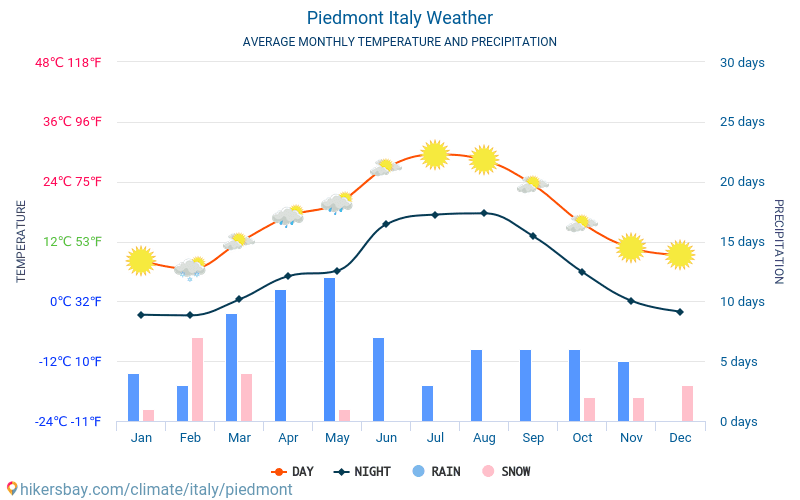
The extreme temperatures currently affecting Turin are part of a broader climatic trend impacting much of Southern and Central Europe. Meteorological models indicate that a high-pressure ridge, often referred to as an “African anticyclone,” is responsible for the sustained heat. According to the Italian Air Force Meteorological Service, these systems can cause temperatures to remain significantly above seasonal averages for several consecutive days, preventing the typical cooling effects of mountain breezes in the Piedmont region.
Data from local weather stations confirm that while the mercury has fluctuated between 36°C and 39°C in the city center, the “perceived temperature”—or heat index—is often higher due to the urban heat island effect. This phenomenon occurs when asphalt, concrete, and densely packed buildings absorb and re-radiate solar energy, keeping the city warmer than the surrounding rural areas. The persistence of these conditions is expected to be reviewed by meteorologists on a daily basis, with updates provided through official state channels.
Public Safety and Long-Term Mitigation
As the city manages the immediate crisis, discussions regarding long-term urban adaptation have gained momentum. Public health experts emphasize that the frequency of such heat events necessitates structural changes to urban planning, including the expansion of green spaces and the implementation of reflective building materials. The Italian Ministry of Health maintains a national heatwave prevention plan that provides standardized protocols for cities to follow during red-alert weather conditions.
Residents are encouraged to monitor local news outlets and the municipal website for real-time updates regarding heat advisories and the availability of emergency support services. The next official evaluation of the weather patterns and health system capacity is expected to be released by the Piedmont health authorities within the next 24 hours. Readers are encouraged to share this information with vulnerable neighbors and to consult official health resources for further safety guidance during this period of extreme weather.