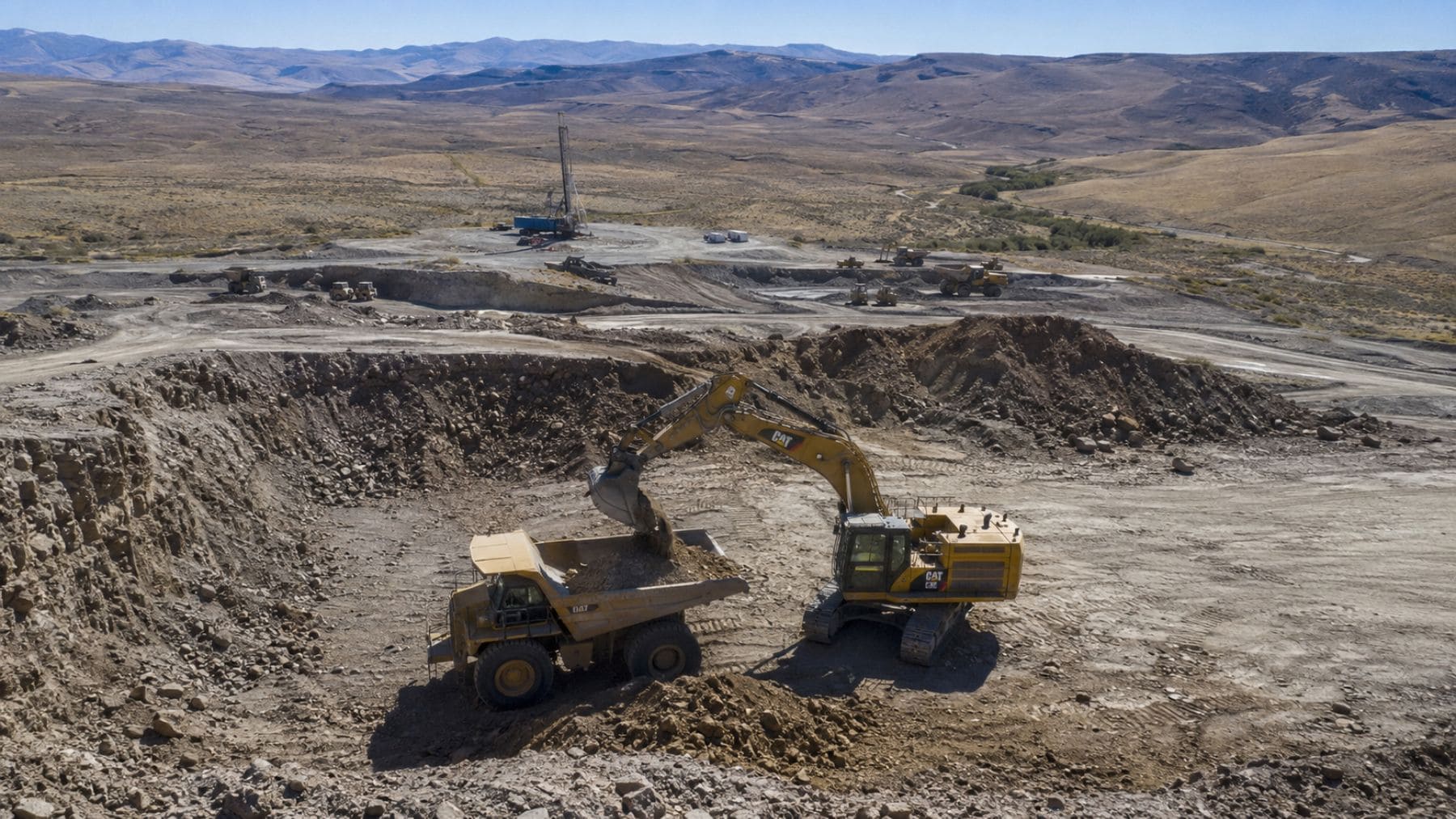
A massive lithium deposit discovered within the McDermitt Caldera, a supervolcano on the border of Nevada and Oregon, has drawn significant attention from geologists and energy analysts. Estimates suggest the site could contain up to 40 million tons of lithium, valued at 1.5 trillion dollars. The United States will begin excavating this year.
The discovery is centered on the Thacker Pass region, an area currently being developed by Lithium Americas Corp. While initial reports of the total deposit size have sparked international interest, the project continues to face complex legal and environmental scrutiny. As the global shift toward electric vehicle (EV) production accelerates, the demand for battery-grade lithium has made domestic supply chains a priority for the United States government, which has classified lithium as a critical mineral under the 2022 List of Critical Minerals.
Geological Significance of the McDermitt Caldera
The McDermitt Caldera formed following a series of volcanic eruptions. Geologists note that the unique chemical composition of the caldera, specifically the presence of illite-rich clay, creates an ideal environment for lithium accumulation. Research published in Science Advances indicates that the lithium concentration in this specific region is significantly higher than that found in typical continental brines or hard-rock deposits.
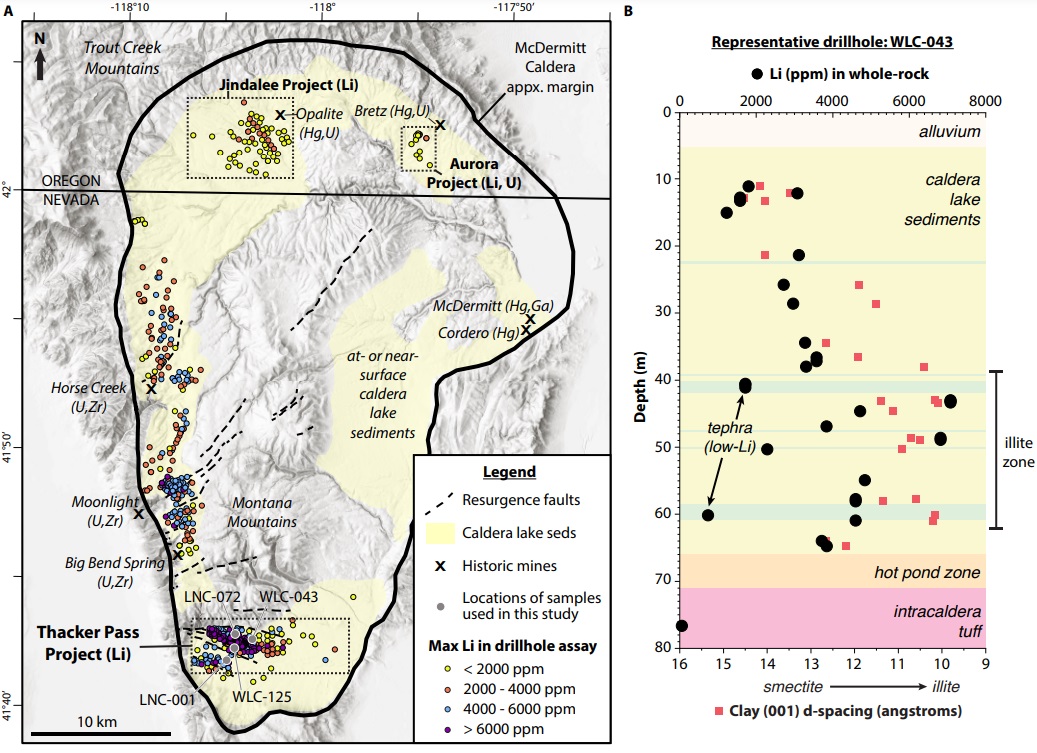
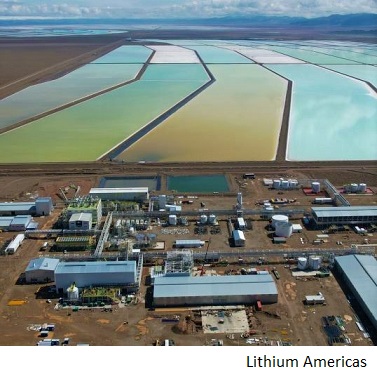
Unlike traditional mining operations that rely on evaporation ponds or deep-rock drilling, the extraction process at this site involves processing the clay-rich sediments. The scale of the deposit—estimated by researchers at up to 40 million tons—depends on ongoing site characterization.
Regulatory Hurdles and Environmental Concerns
Despite the economic potential, the project at Thacker Pass has encountered substantial opposition. Litigation has been brought by various groups, including local tribes and environmental organizations, citing concerns over the protection of cultural heritage sites and the potential impact on local groundwater and biodiversity. The Bureau of Land Management (BLM), which oversees the federal land where the deposit is located, has defended its approval process, stating that it followed the National Environmental Policy Act (NEPA) requirements.
In 2023, a federal judge allowed construction to move forward at the site, rejecting claims that the project would cause irreparable harm to the environment. However, the legal landscape remains fluid. Future phases of the project are expected to undergo additional oversight to ensure compliance with federal standards regarding water usage and reclamation efforts. The company must provide regular reporting to the BLM to maintain its operational permits.
The Global Lithium Market and Supply Chain Security
The urgency to develop domestic lithium resources is driven by the rapid expansion of the battery manufacturing sector. According to the International Energy Agency (IEA), lithium demand is projected to increase significantly through 2030 as nations transition to low-carbon energy systems. By securing a large-scale domestic source, the U.S. aims to insulate its automotive and renewable energy industries from the volatility of global commodity markets.
Market analysts observe that while the estimated 40 million tons represent a massive geologic resource, the transition from “identified resource” to “proven reserve” requires extensive engineering and capital investment. The profitability of the project will ultimately depend on the cost of extraction, which remains higher for clay-based lithium compared to traditional brine-based methods. Investors are closely monitoring the initial production phases, which are expected to scale up over the coming years as infrastructure is completed.
Next Steps for Development
Lithium Americas Corp. continues to advance its development timeline, with ongoing construction and site preparation reported throughout 2024. The project’s next major milestone involves the ramp-up of processing facilities designed to convert clay into lithium carbonate. Stakeholders and members of the public can monitor updates regarding the site through the official Bureau of Land Management Nevada portal, which provides access to public records and environmental impact statements.

As the project progresses, the balance between mineral extraction and land management will likely remain a focal point of federal policy. Readers interested in the long-term implications of this development are encouraged to follow official regulatory filings for updates on project capacity and environmental performance. Share your thoughts on the future of domestic mineral production in the comments section below.
Related reading