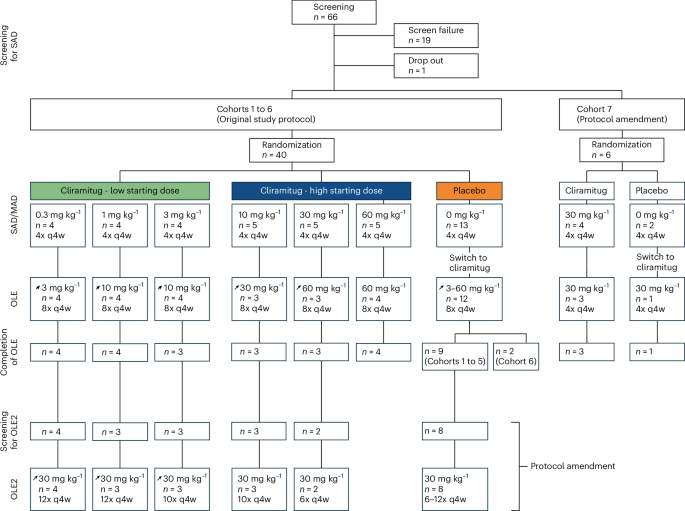
Long-term clinical data indicates that the monoclonal antibody cliramitug may offer a sustainable therapeutic approach for patients with transthyretin amyloidosis cardiomyopathy (ATTR-CM). According to findings from an open-label extension study of the NI006-101 trial, participants receiving the treatment demonstrated a reduction in cardiac amyloid burden alongside improvements in structural and functional heart markers over a median follow-up period of 29.3 months.
Transthyretin amyloidosis is a progressive, life-threatening condition caused by the misfolding of the transthyretin (TTR) protein, which subsequently deposits as amyloid fibrils in the heart. These deposits stiffen the heart muscle, leading to heart failure. Cliramitug is designed to target these misfolded proteins, aiming to clear existing deposits rather than merely preventing further accumulation.
Clinical Outcomes and Safety Data
The NI006-101 extension study provides evidence regarding the long-term safety and efficacy of cliramitug. Researchers observed that the treatment was generally well-tolerated by the patient cohort throughout the nearly 30-month observation window. The study, which focused on patients with confirmed ATTR-CM, utilized advanced cardiac imaging and biomarker analysis to track changes in disease severity.

According to the clinical results, patients experienced a continued decrease in the volume of amyloid deposits within the heart tissue. This reduction was accompanied by measurable improvements in cardiac structure and function, suggesting that the removal of amyloid fibrils may facilitate a degree of myocardial recovery. Biomarker analysis, which measures specific proteins released into the blood during cardiac stress or damage, showed a downward trend, further supporting the clinical benefits observed in imaging studies.
Understanding the Mechanism of Cliramitug
Current standard-of-care treatments for ATTR-CM, such as tafamidis, primarily focus on stabilizing the TTR protein to prevent it from misfolding and forming new deposits. Cliramitug represents a distinct therapeutic strategy: active clearance. By binding to misfolded TTR, the antibody is intended to trigger the body’s immune system to identify and remove the amyloid plaques already present in the heart.
This “depletion” approach is significant because it targets the underlying pathology that causes symptoms in patients who already have advanced cardiac involvement. The findings from the NI006-101 trial are particularly relevant for clinicians managing patients who have not responded adequately to stabilization therapy or those presenting with significant amyloid burden at the time of diagnosis.
Implications for Future Research
The sustained safety profile reported over the 29.3-month median follow-up is a critical metric for long-term chronic disease management. While the results are encouraging, the medical community continues to evaluate how these findings translate into long-term mortality and hospitalization outcomes. Larger, randomized controlled trials are necessary to confirm these early-phase findings and establish cliramitug’s role within the broader spectrum of heart failure treatments.
As of mid-2026, the clinical landscape for amyloidosis is rapidly evolving. Regulatory agencies, including the U.S. Food and Drug Administration (FDA) and the European Medicines Agency (EMA), maintain updated registries of active clinical trials for rare cardiovascular diseases. Patients and healthcare providers are encouraged to consult official clinical trial databases to stay informed about ongoing research and potential access to investigational therapies.
Next Steps in Clinical Development
The next major milestone for this therapeutic program involves the completion of late-stage pivotal trials designed to provide definitive evidence of clinical benefit. These trials will likely focus on hard clinical endpoints, such as cardiovascular death and the frequency of heart failure-related hospitalizations. Ongoing reporting from the NI006-101 investigators will remain a primary source for tracking the long-term safety and durability of the antibody treatment.
For those interested in the latest developments in cardiac amyloidosis research, official updates are regularly published through peer-reviewed medical journals and institutional press releases from the sponsoring organizations. Readers are encouraged to monitor these official channels for forthcoming trial announcements and to discuss emerging treatment options with their primary cardiology teams.
This report is for informational purposes and does not constitute medical advice. Always consult with a qualified healthcare professional regarding treatment options for cardiac conditions.