
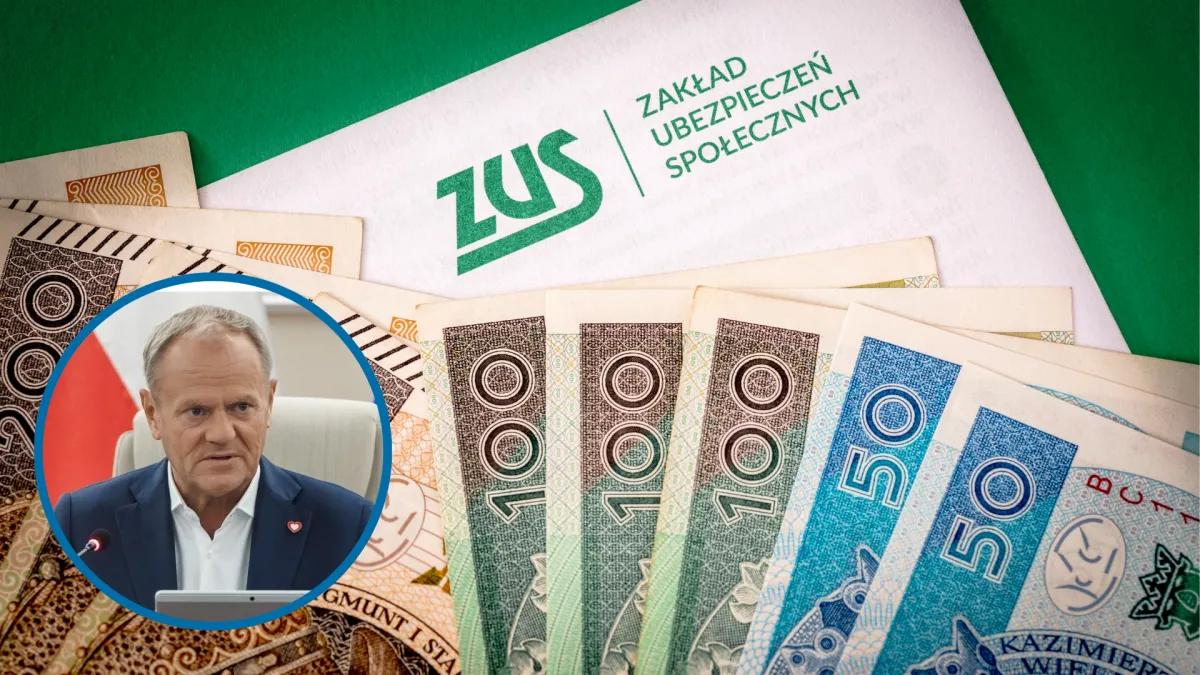
Polish pensioners and social security beneficiaries are awaiting official government confirmation regarding the structure and value of the “fourteenth pension” (czternasta emerytura) for 2026. While speculation persists regarding a potential increase in the benefit amount—often cited in recent discourse as potentially exceeding the current base—the Ministry of Family, Labour and Social Policy has yet to issue a formal decree or legislative proposal confirming a departure from the established indexation mechanism.
The fourteenth pension, introduced as a permanent additional annual cash benefit for retirees and disability pensioners, is governed by the Act on Additional Annual Cash Benefits for Pensioners. According to the Polish Social Insurance Institution (ZUS), the benefit is traditionally subject to an annual indexation process tied to the growth of the average retirement pension. For 2026, the final amount remains contingent on the government’s determination of the indexation rate.
Understanding the Mechanics of the Fourteenth Pension
The fourteenth pension serves as an auxiliary payment designed to support the financial stability of seniors and disability recipients. Under current regulations, the full amount is payable to those whose primary monthly pension does not exceed a specific income threshold. Once a recipient’s pension exceeds this limit, the “fourteenth” is reduced according to the “zloty for zloty” principle. This mechanism ensures that the total benefit remains targeted toward those with lower regular income streams, as outlined in the official guidelines provided by the ZUS portal.
Recent discussions surrounding a potential increase in the 2026 payout to a higher amount or an adjustment to eligibility criteria remain speculative. There has been no legislative amendment passed by the Sejm that mandates a deviation from the existing statutory indexation formula. Financial analysts emphasize that any deviation from the standard calculation would require a new executive order from the Council of Ministers, which usually occurs in the months leading up to the scheduled distribution period, typically in the autumn.
Eligibility and Distribution Logistics
Distribution of the benefit is handled automatically by the Social Insurance Institution (ZUS) and the Agricultural Social Insurance Fund (KRUS) for their respective beneficiaries. Recipients generally do not need to submit individual applications to receive the payment. However, individuals receiving benefits from multiple sources or those with complex eligibility status are encouraged to verify their records via the PUE ZUS electronic platform to ensure their contact and bank details are current. This proactive step helps prevent delays in the automated transfer process.

The timing of the payment is a critical point for household budgeting. Historically, the government has scheduled these payments for the autumn months. While some public discourse has suggested a potential shift in the payout calendar, the Ministry has not indicated a departure from this established schedule. Beneficiaries are advised to monitor official announcements on the government website gov.pl for updates on the specific payout dates for the 2026 calendar year.
Addressing Claims of Increased Benefit Amounts
Media reports suggesting a definitive “decision” to increase the base amount beyond the standard indexation figures often stem from legislative proposals or political debates rather than finalized law. It is important for readers to distinguish between political discourse and enacted legislation. According to the Ministry of Family, Labour and Social Policy, the primary driver for the nominal value of the fourteenth pension remains the official indexation rate, which reflects inflation and real wage growth in the economy.
If the government were to implement a one-time “bonus” or a special increase beyond the statutory indexation, it would necessitate a specific cabinet decision. No such extraordinary measure has been formally adopted. Observers of the Polish pension system should look for the official announcement of the indexation factor, which serves as the baseline for all social security adjustments.
Preparation for 2026
For those currently receiving pension benefits, the most reliable way to monitor the 2026 fourteenth pension status is through the official ZUS communication channels. Changes to tax law or social security contributions can impact the net amount received, even if the gross amount remains fixed. Beneficiaries should review their current tax status and any potential changes to the “kwota wolna od podatku” (tax-free allowance) that might apply to their total annual income, as these factors determine the final net payout deposited into individual bank accounts.
The next major checkpoint for this policy will be the release of the government’s budget proposal for 2026 and the subsequent deliberations in the Council of Ministers. These documents will provide the first concrete indicators of the planned expenditure for additional pension benefits. We encourage our readers to share their questions or experiences regarding social benefit updates in the comments section below, as we continue to track these developments through official government disclosures.