
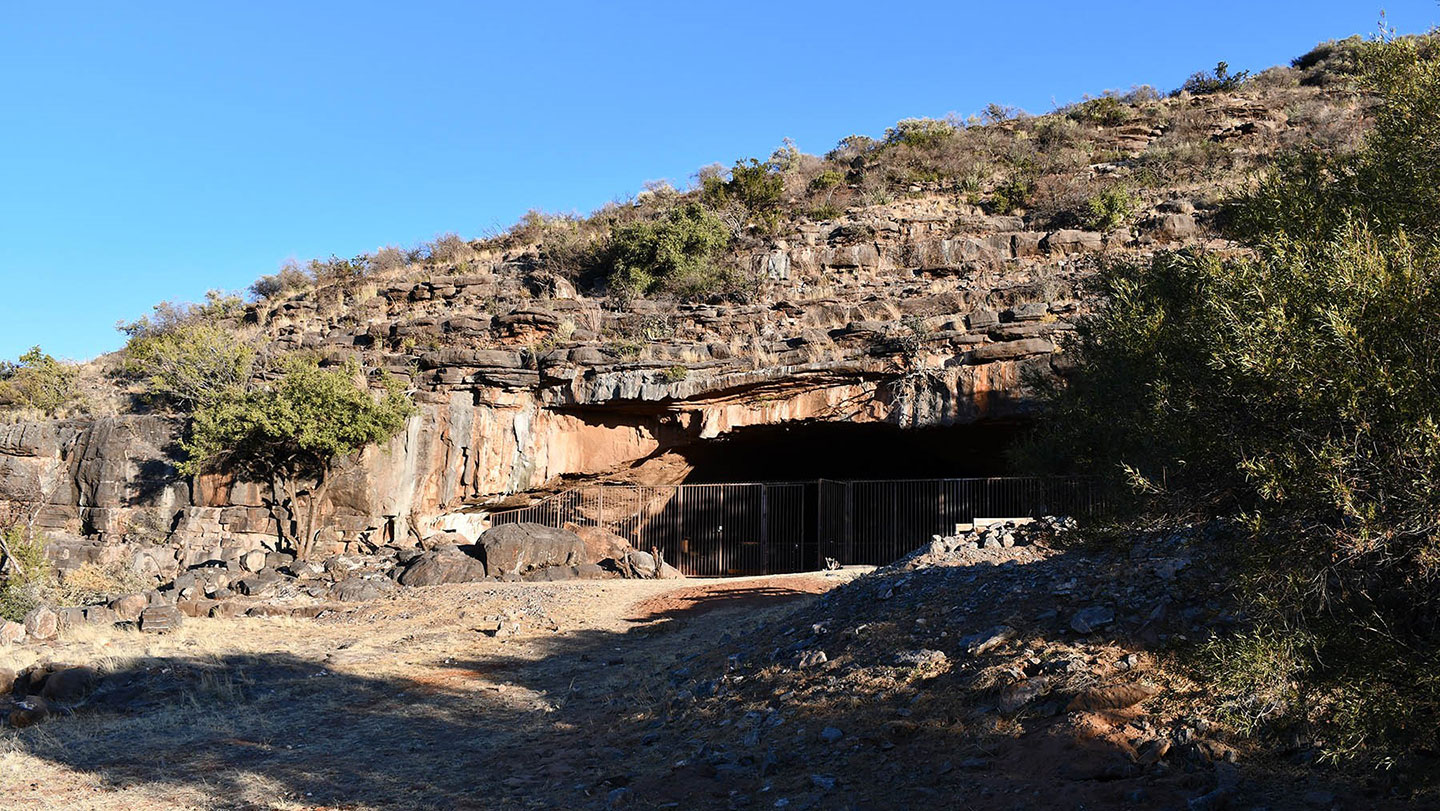
Archaeological analysis of the Wonderwerk Cave site in South Africa has provided significant evidence suggesting that early hominids were utilizing fire as early as 1.79 million years ago. This discovery, detailed in research published in Proceedings of the National Academy of Sciences (PNAS), challenges previous scientific consensus regarding when human ancestors began to control fire, pushing the timeline back by several hundred thousand years.
The study, led by researchers including Francesco Berna and Michael Chazan, utilized micromorphological and Fourier transform infrared microspectroscopy (mFTIR) to analyze burnt bone and ash deposits. By examining these materials, the team identified evidence of controlled combustion within the lower strata of the cave. This finding suggests that early species, potentially Homo habilis or early Homo erectus, possessed the cognitive and behavioral capacity to manage fire long before the previously accepted timeframe of approximately 1 million years ago.
Evidence of Controlled Combustion in Wonderwerk Cave
The identification of fire use in the deep past relies on distinguishing between natural wildfires and human-controlled hearths. According to the Nature research archives, the Wonderwerk Cave provides a unique, protected environment where archaeological layers remain largely undisturbed. The researchers noted that the presence of microscopic plant ash and calcined bone fragments—bones heated to temperatures exceeding 600 degrees Celsius—indicates localized, high-heat fire activity that is inconsistent with natural brush fires, which typically do not reach such consistent temperatures in subterranean settings.
The significance of this discovery lies in the behavioral shift required to maintain fire. While some earlier sites have shown evidence of opportunistic fire use, the Wonderwerk findings suggest a repeated, intentional practice. The ability to maintain a fire for warmth, protection, and potentially cooking would have been a significant evolutionary advantage, allowing early hominids to expand their dietary range and survive in more varied climates.
Shifting the Timeline of Human Evolution
For decades, the standard academic model—often cited in textbooks—placed the mastery of fire closer to the era of Homo erectus, roughly 1 million years ago, with widely accepted evidence found at sites like the Gesher Benot Ya’aqov in Israel. However, the Science magazine report on the South African site indicates that the cognitive evolution required for fire management occurred much earlier in the hominid lineage than once hypothesized.

This timeline adjustment complicates our understanding of human development. If hominids were using fire 1.79 million years ago, it suggests that the “fire-based” lifestyle—which includes social bonding around a hearth and the nutritional benefits of cooked food—was a factor in the physical and mental evolution of our ancestors for a much longer period than previously assumed. This aligns with the “cooking hypothesis,” which posits that the increased caloric intake from cooked food provided the energy necessary for the expansion of the human brain.
Methodological Rigor and Scientific Debate
Validating such an ancient discovery requires extreme methodological caution. The research team employed high-resolution imaging and chemical analysis to ensure the deposits were not the result of geological contamination or later human intervention. The Archaeological Institute of America notes that the site’s stratigraphic integrity is one of its most valuable features, allowing for a clearer, more reliable timeline than sites exposed to the elements.
Despite the findings, some members of the paleoanthropological community continue to emphasize the need for more evidence from additional sites. While the Wonderwerk data is robust, establishing a global timeline for fire use remains a primary objective for researchers. Future excavations are expected to focus on identifying similar chemical signatures in contemporary sites across East and Southern Africa to determine if this early fire use was a localized innovation or a broader trend among early hominid populations.
Impact on Future Research
The confirmation of early fire use has redirected focus toward the specific cognitive requirements of fire management. Researchers are now investigating how these early groups might have sourced fuel and maintained the hearths over extended periods. This research is part of a broader, ongoing effort to map the behavioral complexity of our ancestors.

As academic teams continue to refine their dating techniques at the Wonderwerk site, the scientific community anticipates further updates regarding the specific species associated with these hearths. For those interested in tracking the evolution of this research, the University of the Witwatersrand frequently publishes updates on ongoing excavations and findings related to the South African Cradle of Humankind. Readers are encouraged to monitor peer-reviewed journals for upcoming analyses that may further clarify the relationship between fire and the emergence of modern human behaviors.