
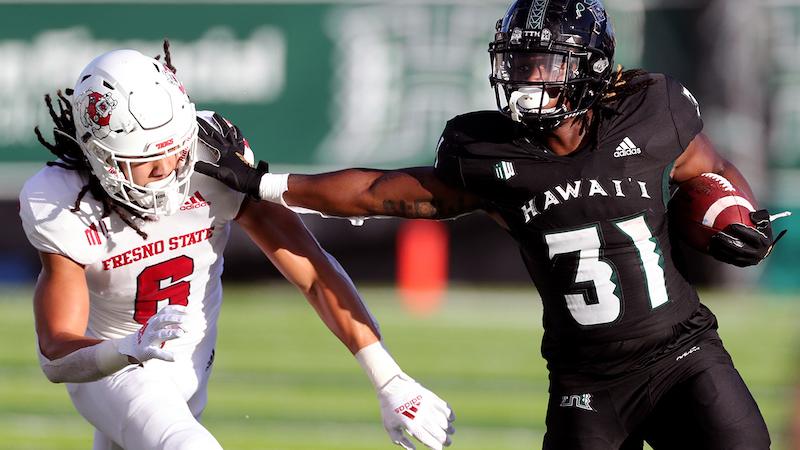
The University of Hawai’i football program, competing as a member of the Mountain West Conference, maintains a historically complex relationship with top-tier programs in the Western United States. While the Rainbow Warriors serve as a unique geographical outlier in the collegiate landscape, their performance against major regional opponents—including programs from the Pac-12 and its successor entities—is defined by a mix of high-profile upsets and the logistical challenges inherent to island-based travel. According to official athletic department records, the team’s ability to secure wins against regional powerhouses often hinges on home-field advantage at the Clarence T.C. Ching Athletics Complex.
Historical Performance Against Regional Programs
Analyzing the program’s winning percentage against regional foes requires a distinction between non-conference matchups and historic rivalries. In recent decades, Hawai’i has frequently hosted major programs from the West Coast, often leveraging the distance disadvantage for visiting teams. Data from the NCAA official database indicates that while the Rainbow Warriors have occasionally toppled marquee programs, their overall winning percentage against Power Four-level regional competition remains below 40% over the last twenty years. These games are frequently scheduled as high-profile non-conference openers or mid-season tests, providing the program with necessary exposure despite the competitive difficulty.
The strategic importance of these games extends beyond the win-loss column. For the University of Hawai’i, maintaining a schedule that includes regional opponents is essential for recruiting and maintaining the program’s visibility in the Pacific time zone. According to Mountain West Conference standings and archives, the program has consistently sought to balance its league schedule with high-visibility matchups against regional rivals to bolster its national profile.
Logistical Factors and Competitive Balance
The “Hawai’i factor” is a frequently cited element in sports analytics when discussing the program’s regional performance. Visiting teams must manage significant travel time, which coaches and analysts often point to as a variable that can level the playing field. However, this same travel burden is a constant for the Rainbow Warriors, who must travel to the mainland for the majority of their conference schedule. According to ESPN’s team coverage, this travel intensity is a unique strain that impacts player recovery and preparation compared to their mainland counterparts.
The program’s shift to the Clarence T.C. Ching Athletics Complex has also altered the home-game dynamic. Since the closure of Aloha Stadium, the team has played in a more intimate, campus-based environment. Official University of Hawai’i football media guides note that this transition has been part of a long-term plan to modernize facilities and maintain competitive relevance in an evolving conference landscape.
Future Scheduling and Conference Realignment
The landscape of Western college football is currently undergoing significant changes due to conference realignment, which will inevitably impact Hawai’i’s future scheduling. As regional power structures shift, the Rainbow Warriors remain focused on their commitment to the Mountain West. According to CBS Sports reporting, the program is actively evaluating its non-conference scheduling strategy to ensure that future matchups against regional foes provide both financial viability and competitive growth opportunities.
For fans and analysts, the next major checkpoint for the program’s regional trajectory will be the release of future non-conference schedules, typically finalized by the athletic department 18 to 24 months in advance. The department provides real-time updates regarding future opponents and ticket information through their official athletics portal. As the program prepares for upcoming seasons, the focus remains on closing the gap against top-tier regional competition through consistent recruitment and the continued development of the current roster.
We encourage readers to share their thoughts on the Rainbow Warriors’ trajectory in the comments section below. Stay tuned to our sports desk for further analysis as the next season approaches.