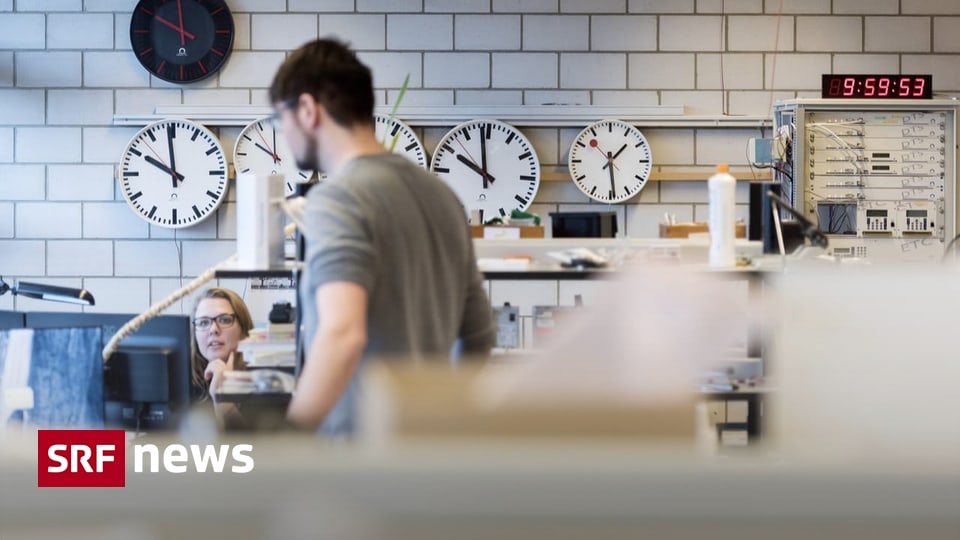
The Swiss watch industry is facing its first decline in employment levels since the height of the COVID-19 pandemic, signaling a cooling period for a sector that has long served as a bellwether for the luxury goods market. According to recent data from the Federation of the Swiss Watch Industry (FH), the sector is navigating a complex landscape defined by shifting consumer demand, persistent inflationary pressures, and the disruptive impact of international trade tariffs.
For decades, the Swiss horological sector has maintained a reputation for resilience, yet current market indicators suggest that the post-pandemic boom in luxury watch sales has reached an inflection point. As employment figures dip, industry leaders are forced to re-evaluate their production strategies and supply chain dependencies to maintain stability in a global economy that remains sensitive to geopolitical volatility.
Market Contraction and Employment Trends
The recent downturn in the Swiss watch industry is not merely a localized fluctuation but a reflection of a broader global softening in the demand for high-end timepieces. Reports from the Federation of the Swiss Watch Industry indicate that the surge in demand witnessed in 2021 and 2022 has significantly tapered off, leading to a contraction in the labor force. This marks a notable shift from the previous three years, during which the industry saw consistent growth and high recruitment levels.
The decline in workforce numbers is largely attributed to a decrease in export volume to key markets, including China and the United States. According to the Federation of the Swiss Watch Industry (FH), the total value of Swiss watch exports has faced downward pressure, forcing manufacturers to adjust their staffing levels to match the cooling sales environment. The industry, which employs tens of thousands of skilled workers across the Jura Mountains, is now tasked with managing this workforce reduction while attempting to preserve the high level of craftsmanship that defines the “Swiss Made” label.
The Impact of Trade Barriers
A primary concern for the industry in the current fiscal year has been the implementation and threat of new international trade tariffs. These barriers have introduced a level of uncertainty that complicates long-term planning for major watch conglomerates and independent manufacturers alike. The Federation of the Swiss Watch Industry has publicly noted that recent trade policies have created a “disturbed year,” impacting the bottom line for many firms that rely heavily on international distribution channels.

Tariffs act as a double-edged sword for Swiss watchmakers. While they are designed to protect domestic economies in importing nations, they often increase the final retail price for consumers, potentially pushing luxury buyers toward alternative investments or local alternatives. For the Swiss sector, which exports over 95% of its production, the cost of these trade friction points is significant. The industry is currently lobbying for more stable trade frameworks to ensure that the global movement of high-value goods remains viable.
Adapting to a Shifting Luxury Landscape
Despite the current challenges, the watch industry is not remaining idle. Manufacturers are increasingly turning toward digital transformation and specialized marketing to reach a younger generation of collectors. The focus has shifted from traditional retail models to a more direct-to-consumer approach, allowing brands to better understand buyer behavior and manage inventory levels more effectively.
Furthermore, the industry is exploring sustainable production methods, a move driven both by consumer preference and impending European environmental regulations. According to the Organization for Economic Co-operation and Development (OECD), the integration of supply chain transparency is becoming a mandatory standard for luxury companies operating internationally. By aligning with these standards, Swiss watchmakers hope to secure their market position against emerging competitors and maintain the perceived value of their products during economic downturns.
Outlook for the Coming Year
The next major checkpoint for the industry will be the release of the annual performance report from the Federation of the Swiss Watch Industry, which is expected to provide a definitive account of the sector’s resilience through the end of the current cycle. Stakeholders are also closely monitoring upcoming trade summits, where new agreements could potentially mitigate the impact of existing tariffs.

As the sector moves through this period of adjustment, investors and enthusiasts are watching to see if the reduction in employment is a temporary corrective measure or the beginning of a long-term restructuring. The ability of Swiss watchmakers to innovate under pressure remains the industry’s defining characteristic. We invite our readers to share their perspectives on the future of the luxury market in the comments section below.
Related reading
- New Music Friday: Nipsey Hussle, Quavo, Erykah Badu & More Drop New Tracks
- Porsche May Discontinue Taycan Production by 2030 Due to Falling Sales
- Canada Prepares US Trade Proposal Ahead of Tariff Deadline (archynewsy.com)
- Prosecuting Asia-Pacific Crimes: Universal Jurisdiction & The Future Crimes Against Humanity Convention (archyworldys.com)