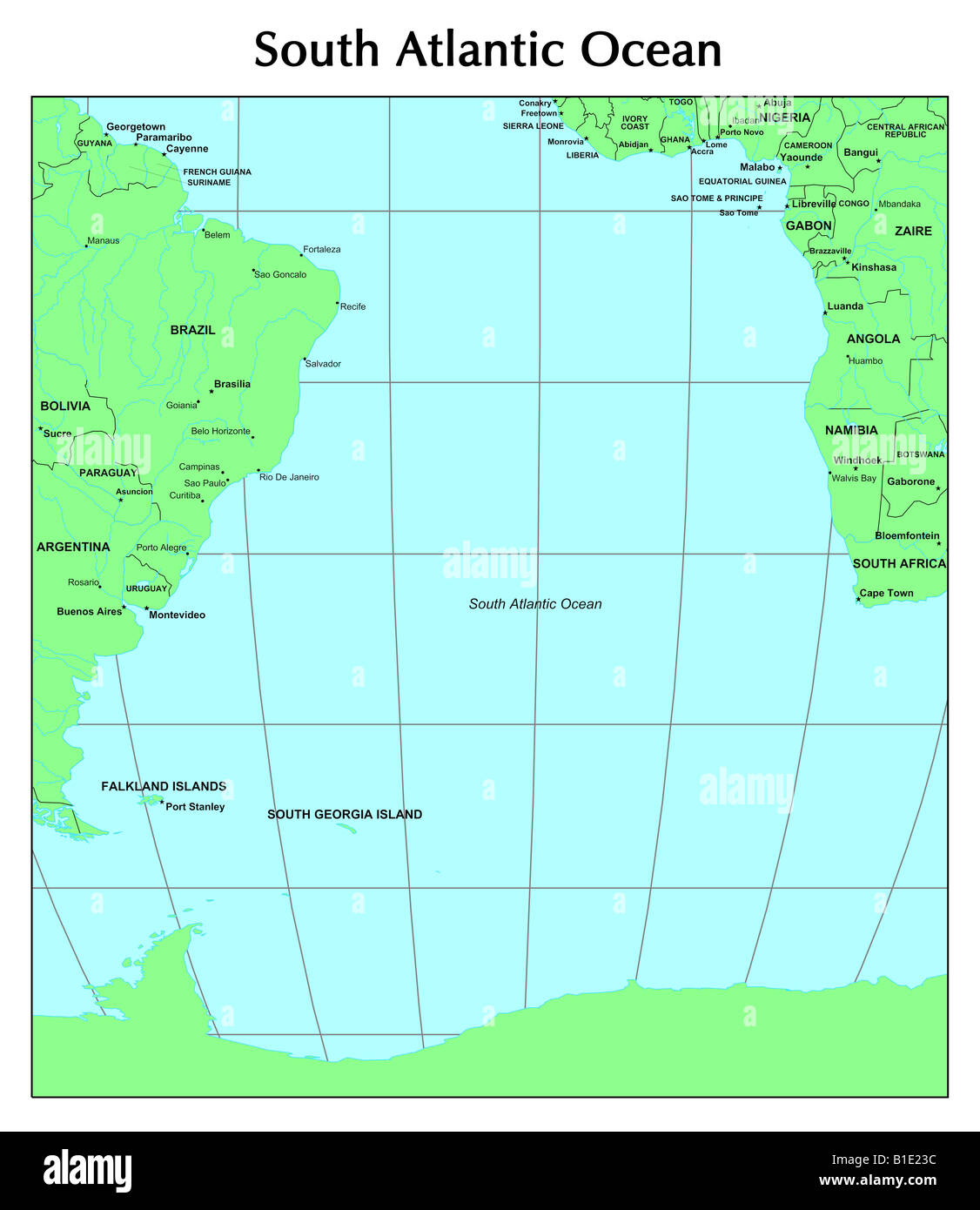
Chinese-flagged and Chinese-owned vessels now account for a significant portion of the squid-fishing operations within the South Atlantic, particularly near the edge of Argentina’s Exclusive Economic Zone (EEZ). According to data from the Food and Agriculture Organization (FAO) and regional maritime monitoring reports, foreign-flagged fleets—a large percentage of which are owned by Chinese interests—regularly operate in the “Blue Hole” area, a high-seas corridor adjacent to Argentine waters that serves as a critical spawning ground for Illex argentinus, or the Argentine shortfin squid.
The control of the squid fleet operating in these waters has become a point of international scrutiny, as Argentina faces ongoing challenges in policing its maritime borders against illegal, unreported, and unregulated (IUU) fishing. While the Argentine government maintains strict licensing for its domestic fleet, the sheer volume of foreign vessels hovering just outside the 200-nautical-mile limit has raised concerns regarding the sustainability of the squid population and the economic impact on the local fishing industry.
The Maritime Geography of the South Atlantic
The concentration of fishing activity in the South Atlantic is driven by the nutrient-rich waters where the Brazil and Malvinas currents converge. This area, particularly the zone bordering Argentina’s EEZ, is one of the most productive squid-fishing regions in the world. According to the Prefectura Naval Argentina, the maritime authority tasked with patrolling these waters, hundreds of foreign vessels are frequently detected operating in international waters during the peak fishing season, which typically runs from January to July.
These vessels, often supported by refrigerated transport ships known as “reefers,” remain at sea for months at a time. The proximity of these fleets to the Argentine border necessitates constant surveillance. The Argentine government has historically invested in patrol vessels and aircraft to monitor these incursions, but the vastness of the territory makes comprehensive enforcement difficult. The presence of these fleets is not merely a matter of competition; it is a complex intersection of international maritime law, food security, and regional sovereignty.
Economic and Ecological Stakes
The Illex argentinus is a vital resource for Argentina’s export economy. Changes in the availability of this species directly affect the profitability of local processing plants and the livelihoods of thousands of workers. Research published by the journal Scientific Reports has highlighted how the depletion of squid stocks in international waters can have cascading effects on the ecosystem and the commercial viability of the fishery within domestic zones.
Critics of the current situation argue that the lack of a comprehensive international treaty governing high-seas fishing in the South Atlantic allows for the unchecked expansion of foreign fleets. Unlike some other regions of the world, the South Atlantic lacks a regional fisheries management organization (RFMO) with the mandate to set binding catch limits for squid. This regulatory gap creates an environment where the primary constraint on fishing activity is the capacity of the vessels themselves, rather than ecological sustainability.
Monitoring and Regulatory Challenges
Identifying the true ownership of the squid fleet is a challenge for maritime analysts. While many vessels fly the flags of countries like China, South Korea, or Taiwan, the beneficial ownership is often obscured through complex corporate structures. According to a report by the Global Fishing Watch, which uses satellite AIS (Automatic Identification System) data to track vessel movements, many of these vessels engage in “dark” activity, turning off their transponders when they approach or enter the Argentine EEZ.
The Argentine government continues to pursue legal actions against vessels caught fishing illegally within its waters. These actions often involve the detention of the ship and the imposition of significant fines. However, the international nature of these companies—often backed by state-subsidized fuel and infrastructure—means that these enforcement actions are often viewed as a cost of doing business by the operators involved. The United Nations Convention on the Law of the Sea (UNCLOS) provides the legal framework for these disputes, yet the practical application of these rules remains fraught with political and diplomatic friction.
Future Developments and Oversight
The management of the South Atlantic squid stocks remains a priority for the Argentine Ministry of Foreign Affairs and the Federal Fisheries Council. As the industry looks toward the next fishing season, discussions regarding the potential for expanded international cooperation or stricter enforcement measures are expected to continue. The international community is currently watching the progress of the High Seas Treaty, which aims to provide a more robust mechanism for the conservation and sustainable use of marine biological diversity in areas beyond national jurisdiction.
For those tracking the industry, the most reliable updates on maritime enforcement and catch regulations are published by the Undersecretariat of Fisheries and Aquaculture of Argentina. These official channels provide the most accurate data on licensing, seasonal closures, and enforcement actions taken against unauthorized vessels. Readers who wish to stay informed on this evolving situation are encouraged to monitor these government portals for upcoming policy announcements and legislative reviews.
What is your take on the impact of large-scale, foreign-flagged fishing fleets on local economies? Please feel free to share your thoughts or join the conversation in the comments section below.
Keep reading
- Netflix Shuts Down Night School Studio and Moonloot as Indie Publisher Nakana.io Closes
- La Vuelta 2026: Traffic and Parking Guide for Manosque
- Trump Claims Total US Control of Strait of Hormuz as Iran Rejects Assertions (archyworldys.com)
- Chinese Giant Acquires MediaMarkt in Historic Move After Decade (newsdirectory3.com)