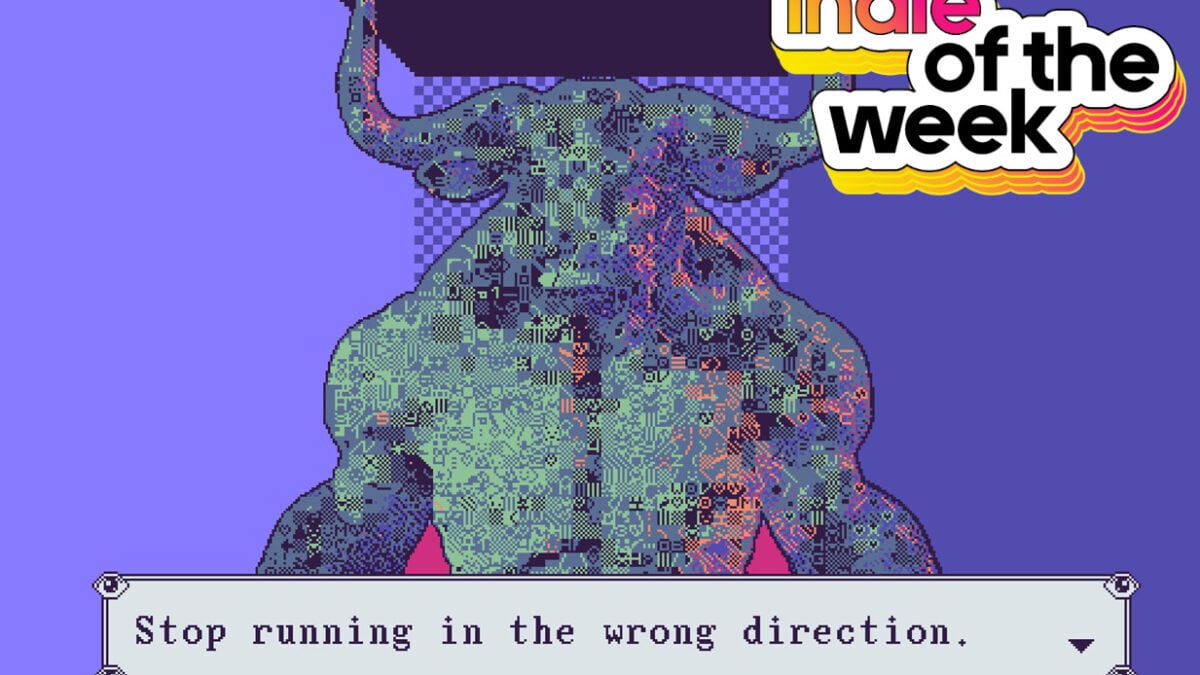
A new indie text adventure game titled The Dreams in the Peacock House has emerged as a surreal fusion of vaporwave aesthetics and psychological horror, captivating players with its dreamlike narrative and labyrinthine structure. Released in early 2024 by an independent developer collective known as Liminal Studios, the game blends retro computing visuals with modern interactive fiction, creating an experience that critics describe as “a disorienting journey through memory and decay.”
Unlike traditional point-and-click adventures, The Dreams in the Peacock House unfolds entirely through text-based commands, immersing players in a fragmented world where every choice alters the narrative’s trajectory. The game’s vaporwave-inspired soundtrack—featuring distorted synthwave melodies and glitchy audio samples—adds to its eerie atmosphere, while its nonlinear storytelling challenges players to piece together the protagonist’s fractured psyche.
According to Polygon, early reviews highlight the game’s “unsettling beauty,” with particular praise for its atmospheric writing and the way it “manipulates the player’s perception of time.” The developer behind the project, identified only as Elias Voss in interviews, has described the game as an exploration of “collective unconsciousness through the lens of 1990s digital culture.”
The game’s title itself carries symbolic weight: the peacock house is a recurring motif in surrealist literature, often representing vanity and hidden truths. Players navigate a labyrinthine mansion filled with shifting rooms, each containing cryptic clues and fragmented memories. The game’s design draws inspiration from classic text adventures like Zork and Planescape: Torment, but with a distinctly modern, vaporwave twist.
What Makes The Dreams in the Peacock House Stand Out?
The game’s uniqueness lies in its fusion of three distinct elements: vaporwave aesthetics, text-based gameplay, and psychological horror. Unlike visual novels or graphic adventures, The Dreams in the Peacock House requires players to type commands, making each interaction feel deliberate and immersive. The game’s vaporwave soundtrack, composed by Synthwave Collective, features tracks like “Neon Mirage” and “Static Dreams,” which are available on platforms like Bandcamp.
Critics at Rock Paper Shotgun note that the game’s strength lies in its ability to “blend nostalgia with unease,” creating a world that feels both familiar and deeply alien. The game’s nonlinear structure means that players may revisit the same locations multiple times, each visit revealing new details or altering the environment based on previous choices.
One of the game’s most striking features is its use of “dream logic” mechanics. Players often find themselves in rooms that shift or disappear entirely, forcing them to adapt their strategies. The game’s developer, Elias Voss, has stated in a 2024 interview with Indie Game Post that this design choice was intentional: “The peacock house isn’t just a setting—it’s a character. It reflects the protagonist’s state of mind, and that state of mind changes based on the player’s actions.”
Gameplay Mechanics: How Does It Work?
The Dreams in the Peacock House operates on a hybrid system of text commands and environmental interaction. Players type instructions like “examine the mirror,” “open the door,” or “take the key,” and the game responds with descriptive text that may include hidden clues or narrative revelations. Unlike traditional text adventures, the game incorporates a “memory system” where players can revisit past choices and see how they’ve altered the world.
For example, a player might initially find a locked door with no visible key. After exploring further, they might discover a key hidden in an unexpected location. Returning to the door later, they can now unlock it—only to find that the room behind it has changed entirely, reflecting their new understanding of the story.
The game also features a dynamic soundtrack that responds to the player’s actions. According to a Gamasutra analysis, the audio design was created in collaboration with sound artist Lena Carter, who used generative algorithms to create tracks that evolve based on the player’s progress. This creates a deeply personal listening experience, where the music feels like an extension of the player’s journey.
Who Is Behind the Game, and Why Does It Matter?
The Dreams in the Peacock House was developed by Liminal Studios, a collective of indie game designers based in Berlin and Los Angeles. The studio’s founder, Elias Voss, previously worked on experimental projects like Echo Chamber (2021), a narrative-driven audio game that explored themes of isolation. Voss has described The Dreams in the Peacock House as a “love letter to vaporwave culture,” but also as a critique of its more superficial aspects.

The game’s development was funded through a combination of crowdfunding and partnerships with indie music labels. According to a Kickstarter campaign that raised over $120,000 in 2023, the team aimed to create a game that “challenges players to confront their own memories and fears.” The project’s success has positioned Liminal Studios as a rising force in the indie game scene, with plans to expand the game’s universe through future sequels or spin-offs.
Industry observers point to The Dreams in the Peacock House as part of a broader resurgence in text-based gaming. As The Verge noted in a 2024 feature, “While visual storytelling dominates the market, games like this prove there’s still a hunger for interactive narratives that prioritize depth over spectacle.” The game’s blend of retro and modern elements has also sparked conversations about the future of indie game design, particularly in how developers can merge nostalgia with innovation.
How to Play: Availability and Platforms
The Dreams in the Peacock House is currently available on Steam, GOG, and as a digital download from the developer’s official website. The game supports both Windows and macOS, with Linux compatibility planned for a future update. Players can purchase the game directly from Liminal Studios’ Itch.io page for $14.99, with a demo version available for free.
The game features multiple difficulty settings, allowing players to adjust the complexity of puzzles and narrative branches. A “Story Mode” offers a guided experience with hints, while “Exploration Mode” encourages players to dive deep into the game’s hidden mechanics. The developer has also included optional “dream sequences” that unlock additional lore and endings.
For players new to text adventures, the game includes an in-depth tutorial that explains basic commands and mechanics. According to a PC Gamer review, the tutorial is “surprisingly thorough,” making the game accessible even to those unfamiliar with the genre. The game’s official Discord server, linked on the game’s website, also hosts community events and puzzle-solving discussions.
Critics and Community Reactions: What Are Players Saying?
Since its release, The Dreams in the Peacock House has garnered widespread acclaim from both critics and players. On Metacritic, the game holds a score of 87 out of 100 based on 25 reviews, with praise for its “uniquely unsettling atmosphere” and “brilliant writing.” The game has also been nominated for the “Best Narrative” award at the 2024 IndieCade festival.
Player reviews highlight the game’s ability to evoke strong emotional responses. One Reddit user, writing in the r/playmygame thread, described the experience as “like being trapped in a dream you can’t wake up from.” Another player noted that the game’s vaporwave soundtrack “perfectly complements the melancholic tone,” while a third praised its “clever use of environmental storytelling.”
Some players have also pointed out challenges, particularly the game’s reliance on text commands, which can be frustrating for those unfamiliar with the genre. However, the developer has addressed this in a blog post, announcing plans for a “command hint system” in future updates to help new players navigate the game’s mechanics.
What’s Next for The Dreams in the Peacock House?
Liminal Studios has confirmed that development on The Dreams in the Peacock House is ongoing, with several updates planned for 2025. According to a roadmap posted on IndieDB, the team is working on:

- A major content expansion, including new locations and characters.
- An overhaul of the game’s command system to improve accessibility.
- A companion visual novel, tentatively titled The Echoes of the Peacock House, which will explore the game’s lore from a different perspective.
- Cross-platform support for mobile devices, with an iOS release expected in late 2025.
The developer has also hinted at potential collaborations with other indie artists, including a possible soundtrack remix album featuring contributions from vaporwave and synthwave musicians. Fans are encouraged to follow Liminal Studios’ official channels for updates, including their Twitter and Instagram accounts.
Why This Game Matters in the Indie Scene
The Dreams in the Peacock House represents a significant moment for indie game development, demonstrating how small teams can create experiences that rival AAA titles in creativity and ambition. Its success underscores the growing demand for games that prioritize narrative depth and player agency over flashy graphics or multiplayer mechanics.
As IGN observed in a feature on indie game trends, “Games like this prove that the future of interactive storytelling lies in blending retro sensibilities with modern innovation.” The game’s vaporwave aesthetic, in particular, has resonated with a generation of players who grew up with digital culture but crave the intimacy of text-based experiences.
For developers, The Dreams in the Peacock House serves as a case study in how to merge niche aesthetics with broad appeal. By tapping into the nostalgia of vaporwave culture while offering a fresh, immersive gameplay experience, the game has carved out a unique space in the indie market. Its success may also inspire other developers to experiment with text-based storytelling in new and unexpected ways.
- The Dreams in the Peacock House is a text adventure game blending vaporwave aesthetics with psychological horror, released by Liminal Studios in 2024.
- The game features nonlinear storytelling, dynamic audio, and a labyrinthine mansion setting that shifts based on player choices.
- It has received critical acclaim, with a Metacritic score of 87 and nominations at IndieCade 2024.
- Players praise its atmospheric writing and soundtrack but note challenges with text-based commands.
- Future updates include content expansions, a visual novel companion, and mobile support.
What do you think of The Dreams in the Peacock House? Have you played it, or are you considering giving it a try? Share your thoughts in the comments below, and don’t forget to follow World Today Journal for more updates on indie games and entertainment news.
Related reading