
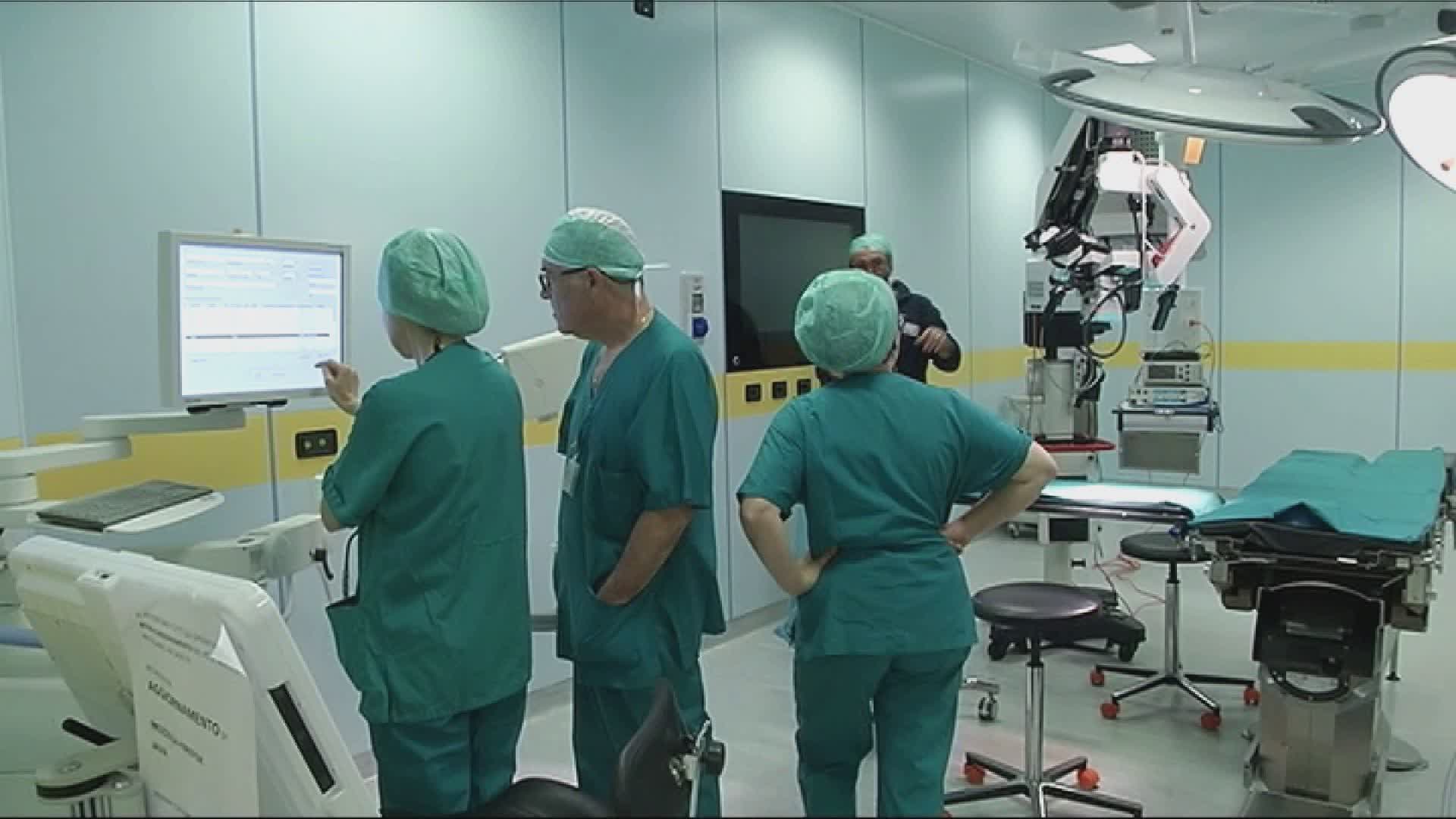
The medical community in Pistoia, Italy, has formally introduced the “Medici e Pace” (Doctors and Peace) manifesto at the San Jacopo Hospital, establishing a professional stance that links healthcare directly to the promotion of global peace. Led by Paola David, President of the Order of Physicians of Pistoia, the initiative frames the medical profession’s ethical duty as an active pursuit of peace to mitigate the health crises caused by armed conflict.
The manifesto was presented through a collaborative effort between the local regulatory medical body and the clinical leadership of the San Jacopo Hospital. According to reports from the event, the document serves as both a professional guideline and a humanitarian call to action, asserting that the role of the physician extends beyond clinical treatment to include the advocacy for stability and the prevention of war-related trauma.
What is the “Medici e Pace” manifesto?
The “Medici e Pace” manifesto is a formal declaration issued by the medical professionals of Pistoia. It addresses the increasing intersection between geopolitical instability and public health emergencies. The document argues that war is not merely a political or military event but a profound health crisis that destroys medical infrastructure, disrupts immunization programs, and causes long-term psychological and physical trauma.

By issuing this manifesto, the medical community aims to reinforce the concept of “medical neutrality”—the principle that healthcare workers and facilities should be protected during conflicts. The text emphasizes that doctors have a responsibility to speak out against the violence that undermines the fundamental right to health. The manifesto suggests that “healing” must be viewed as a proactive social endeavor rather than a purely reactive clinical one.
The initiative focuses on several core pillars:
- The Protection of Health Infrastructure: Advocating for the sanctity of hospitals and clinics in conflict zones.
- The Humanitarian Role of Doctors: Recognizing the physician’s duty to provide care regardless of political or ethnic affiliations.
- Peace as a Determinant of Health: Establishing that peace is a foundational requirement for effective public health and disease prevention.
Who led the initiative in Pistoia?
The rollout of the manifesto involved high-level coordination between the regulatory and administrative arms of the local healthcare system. Paola David, the President of the Order of Physicians (Ordine dei Medici) of Pistoia, was the primary driving force behind the text. Her role involved articulating the ethical requirements of the profession in the context of modern global tensions.

To ensure the manifesto reached the practical, frontline level of healthcare delivery, David entrusted the text to Lucilla Di Renzo, the Sanitary Director (Direttore Sanitario) of the San Jacopo Hospital. This transition from the Order to the hospital’s medical directorate signifies an attempt to integrate these ethical principles into the daily operations and culture of the clinical environment.
The collaboration between the Order of Physicians and the San Jacopo Hospital administration highlights a unified front. While the Order represents the legal and ethical standards of the profession, the hospital administration represents the implementation of those standards in patient care. This partnership ensures that the “Medici e Pace” principles are not merely theoretical but are recognized by the staff operating within the Tuscan healthcare system.
Why is the medical community advocating for peace?
The advocacy stems from the observed reality that modern warfare creates complex, multi-layered health challenges that clinical medicine alone cannot solve. Medical professionals are increasingly witnessing the “collateral” health effects of conflict, including the resurgence of infectious diseases, widespread malnutrition, and a total breakdown in the continuity of care for chronic conditions.
Healthcare experts note that when war occurs, the following health metrics typically decline:
- Vaccination Coverage: Conflict disrupts supply chains and trust, leading to outbreaks of preventable diseases.
- Maternal and Infant Health: The loss of specialized care during instability significantly increases mortality rates for mothers and newborns.
- Mental Health Stability: The prevalence of PTSD and other trauma-related disorders increases exponentially in conflict-affected populations.
By framing peace as an “antidote” to war, the Pistoia medical community is positioning healthcare professionals as essential stakeholders in diplomatic and humanitarian discussions. They argue that the medical community’s expertise in human suffering provides them with a unique, authoritative voice to advocate for the cessation of hostilities.
The role of the Order of Physicians in Italy
The involvement of the Order of Physicians of Pistoia is significant due to the legal standing of such organizations in Italy. The Ordine dei Medici is a public body responsible for regulating the profession, ensuring ethical conduct, and protecting the integrity of medical practice. When an Order issues a manifesto, it carries weight beyond a simple opinion piece; it represents the collective professional conscience of the licensed doctors in that jurisdiction.

In the Italian healthcare model, local Orders play a critical role in bridging the gap between national health policy and local clinical practice. By taking a stance on a global issue like peace, the Pistoia Order is exercising its mandate to address the social determinants of health—the conditions in which people live and work that impact their well-being.
The following table summarizes the institutional roles involved in this development:
| Entity | Primary Role | Contribution to Manifesto |
|---|---|---|
| Ordine dei Medici di Pistoia | Professional Regulation | Drafting and issuing the ethical mandate. |
| Paola David | President of the Order | Leadership and official representation. |
| San Jacopo Hospital | Clinical Care Provider | Hosting and implementing the manifesto’s principles. |
| Lucilla Di Renzo | Sanitary Director | Integrating the manifesto into hospital administration. |
This institutional alignment suggests that the “Medici e Pace” initiative is intended to be a long-term component of the professional identity of doctors in the region, rather than a temporary response to a single news cycle.
The next scheduled update regarding the implementation of these principles within the San Jacopo Hospital’s clinical guidelines is expected following the next administrative review of the hospital’s ethical protocols. For further information on the official stances of the Italian medical regulatory bodies, readers can consult the official communications from the Ordine dei Medici.
We encourage you to share this article and comment below with your thoughts on the role of healthcare professionals in global humanitarian efforts.