
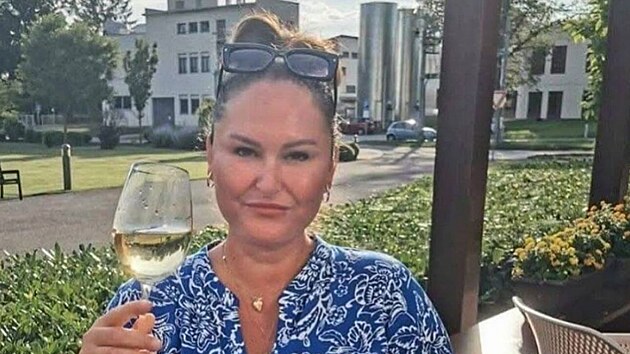
Teacher Karolína Smolařová has publicly addressed the recent social media controversy involving model Simona Krainová, asserting that her comments regarding the model’s son were not intended as an insult. The situation, which escalated rapidly across digital platforms, has led Smolařová to express significant concern regarding the safety and well-being of her family following an influx of negative reactions.
The incident centers on a public exchange that drew widespread attention after Smolařová commented on content shared by Krainová. As the discussion moved from online commentary to broader public scrutiny, the educator maintained that her original intent was misinterpreted, emphasizing that she did not harbor any malicious feelings toward the child in question. The fallout from the incident has prompted a broader conversation regarding the boundaries of public figure interactions on social media and the subsequent impact on private individuals involved in such discourse.
Public Response and Clarification of Intent
Karolína Smolařová stated that the backlash she faced was disproportionate to her initial remarks. According to her public statements, the online interaction was taken out of context, leading to a wave of criticism that she says has caused substantial personal distress. She reiterated that as an educator, she is acutely aware of the sensitivity surrounding discussions involving minors and insisted that her words were not meant to be derogatory.
The controversy highlights the volatility of social media interactions where public figures and private citizens engage in public view. For many, the case serves as a point of reflection on how quickly digital comments can be amplified, often leading to consequences that extend far beyond the initial platform. Smolařová’s decision to speak out reflects a growing trend of individuals attempting to reclaim their narrative after becoming the target of mass online scrutiny.
Impact on Personal Safety and Family Concerns
The primary reason for Smolařová’s decision to address the matter publicly is the perceived threat to her family’s security. She noted that the intensity of the online vitriol has reached a level that feels dangerous, prompting concerns that go beyond simple reputational damage. In instances where public figures with large followings are involved, social media interactions can quickly transition into targeted harassment campaigns against the other party involved.

The psychological toll of such events on private individuals is a subject often discussed by experts in digital media ethics and online behavior. While the legal framework surrounding online harassment in the Czech Republic, governed by the Criminal Code, provides mechanisms for dealing with threats or stalking, many individuals find that the speed of online escalation often outpaces formal interventions. Smolařová’s experience underscores the difficulty of managing the fallout once a controversy gains traction in the public sphere.
Contextualizing Digital Accountability
The incident involving Simona Krainová and Karolína Smolařová is not an isolated case but rather part of a larger, ongoing debate about the responsibilities of both influencers and their audiences. When public figures share content, they often have a significant platform that can influence the behavior of their followers. This power dynamic often places the other party at a disadvantage, as they may lack the resources or the audience to defend themselves effectively.
Transparency and communication are often cited as the best tools for de-escalating such conflicts. However, as Smolařová has discovered, clearing the air is not always sufficient to stop the momentum of a trending topic. As of the most recent updates, the situation remains a point of interest for those tracking the intersection of celebrity culture and public accountability.

Readers seeking further information on the legal standards for online communication and harassment in the region may refer to the official portal of the Police of the Czech Republic, which provides guidance on reporting cyberbullying and online threats. Maintaining objective standards in reporting remains essential as further developments emerge in this ongoing public discussion. Those with thoughts on the balance between free speech and the protection of private individuals are encouraged to join the conversation in the comments section below.