
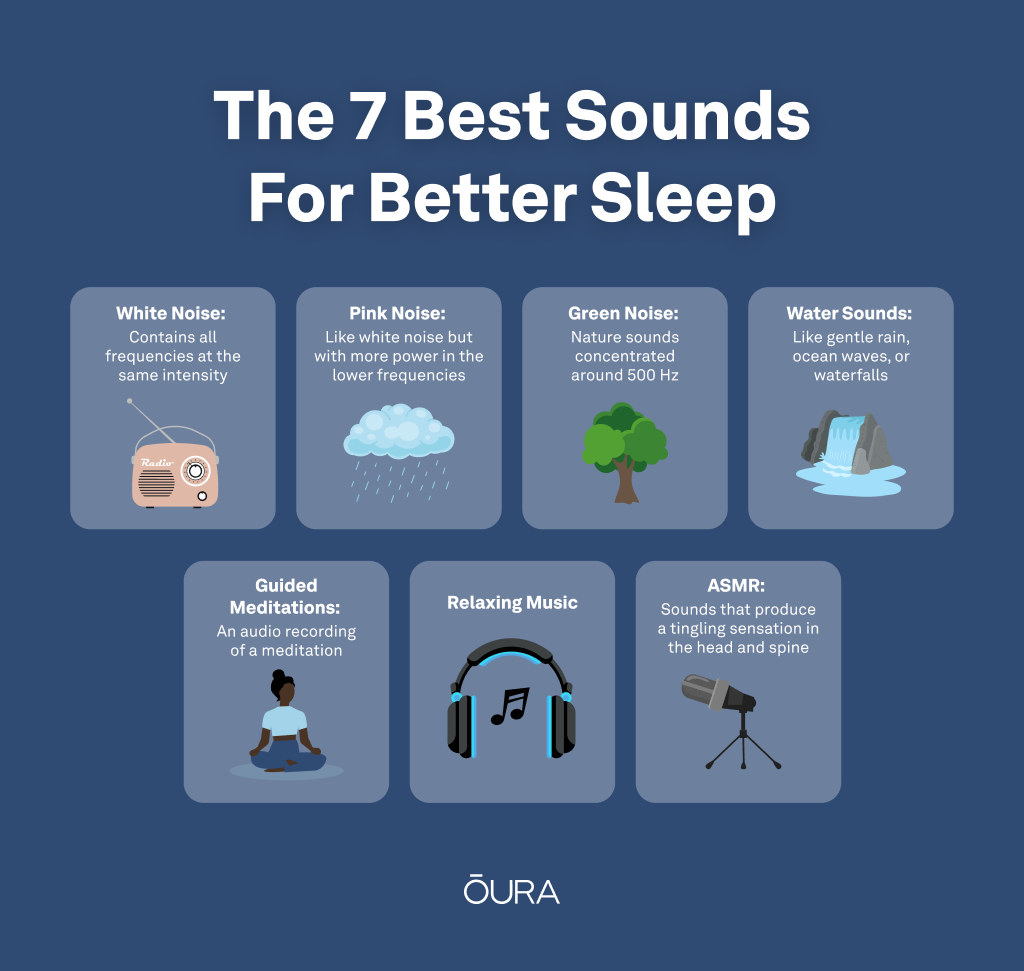
Listening to the sound of rain helps overcome sleep disorders. Sounds with the same effect as rain include the sounds of nature such as the calm waves of the sea, the rustling of leaves, and the sound of waterfalls.
The popularity of “rain ASMR” (Autonomous Sensory Meridian Response) content, such as videos featuring heavy rain and thunder, reflects a growing public interest in using environmental soundscapes to manage daily stress. While clinical research into the specific neurological mechanisms of ASMR is ongoing, the use of nature-based sound therapy is supported by broader studies on restorative environments. According to research published in Scientific Reports, exposure to natural sounds is linked to increased parasympathetic nervous system activity, which helps the body recover from stress.
The Science of Sound and Relaxation
Why do sounds like rain or distant thunder feel inherently calming? From a physiological perspective, the human brain often interprets consistent, non-threatening natural sounds as “safe” signals. Unlike sudden, sharp noises that trigger an alertness response, the steady, broadband frequency of rainfall—often classified as “pink noise”—can help mask distracting background sounds that might otherwise disrupt sleep.
A study led by researchers at the Brighton and Sussex Medical School found that listening to natural sounds can shift the focus of the brain’s connectivity, moving it away from the inward-focused rumination often associated with anxiety. By providing a constant, predictable acoustic backdrop, these sounds assist individuals struggling with sleep onset latency, or the time it takes to fall asleep. While many turn to digital platforms for these soundscapes, the therapeutic benefit remains rooted in the brain’s ability to find predictability in the chaos of a storm.
Natural Soundscapes: What Works Best?
While the sound of a summer storm is a popular choice, it is just one of many natural auditory options that can promote relaxation. The effectiveness of a soundscape is highly subjective, but several categories of natural audio are frequently cited for their restorative properties:
- Rainfall: Ranging from light drizzles to heavy downpours, rain provides a consistent frequency that effectively masks ambient noise.
- Ocean Waves: The rhythmic rise and fall of tides offer a slow-tempo experience that can help regulate breathing patterns.
- Forest Ambience: The sound of wind moving through leaves or branches provides a dynamic, layered texture that many find grounding.
- Flowing Water: Streams and waterfalls offer a white-noise-adjacent profile that is particularly useful for deep focus or relaxation.
It is important to note that while these sounds are beneficial for many, they are not a medical substitute for treating chronic sleep disorders or diagnosed anxiety conditions. If sleep disturbances persist, individuals should consult with a healthcare professional to rule out underlying medical issues such as sleep apnea or clinical insomnia.
Integrating Soundscapes into Daily Routine
For those interested in exploring how auditory stimuli can aid in stress management, consistency is key. Using high-quality audio recordings during transition periods—such as the hour before bed or during a midday break—can help train the brain to associate these sounds with relaxation. Many users opt for short-form content, such as the #shorts format on video platforms, to quickly access a “micro-break” of auditory calm during a busy day.
However, users should be mindful of volume levels. Prolonged exposure to high-volume audio, even if the content is “relaxing,” can lead to auditory fatigue. Keeping the volume at a moderate, background level is recommended to maximize the sedative effect without overstimulating the auditory system. As we continue to navigate the intersection of digital media and mental health, these tools offer a simple, accessible, and largely low-risk method for fostering a sense of calm in an increasingly noisy world.
This article is for informational purposes and does not constitute medical advice. For persistent health concerns, please consult your primary care physician or a sleep specialist. We welcome your thoughts on using soundscapes for relaxation; please feel free to share your experiences in the comments section below.
#shorts #rain #ASMR #mentalhealth #sleepscience