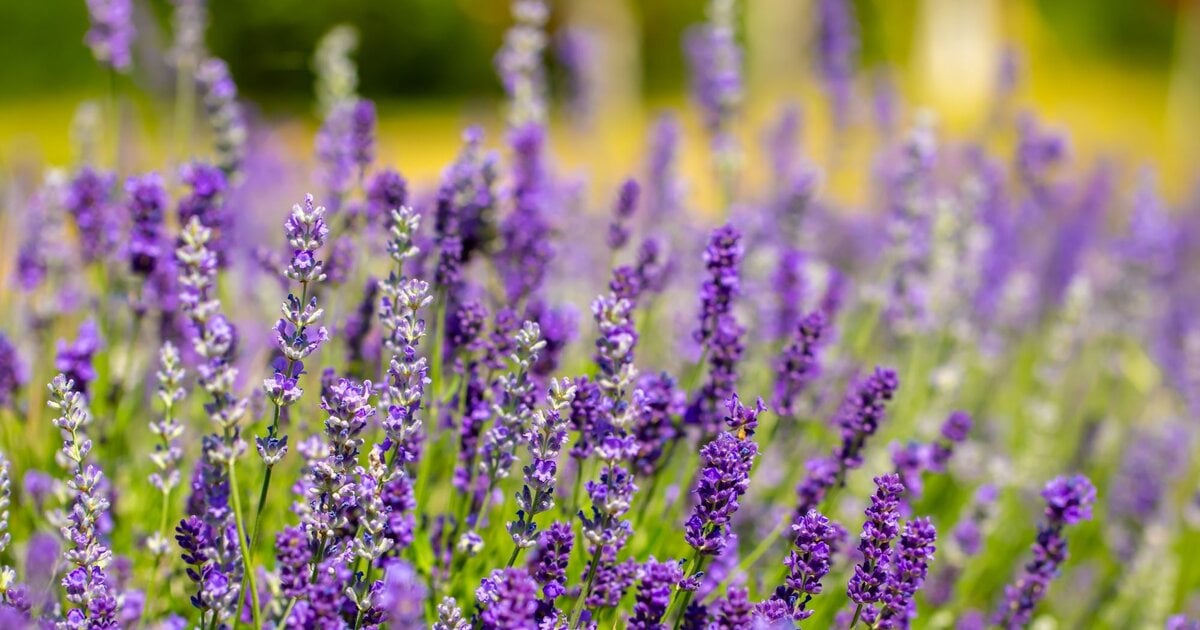
Lavender plants—beloved for their fragrant blooms and drought-resistant nature—can suffer irreversible damage when over-fertilized, according to horticultural experts. While many gardeners unknowingly discard “failed” lavender as garden waste, the issue often stems from excessive nutrients, which weaken the plant’s natural defenses and increase frost sensitivity. The Royal Horticultural Society (RHS) and plant physiologists warn that lavender thrives in nutrient-poor soil, and over-fertilization can lead to stunted growth, reduced fragrance, and even death in colder climates.
This misconception affects millions of gardeners worldwide, with lavender being one of the most commonly over-fertilized ornamental plants. A 2022 survey by the Royal Horticultural Society found that 68% of lavender owners had used commercial fertilizers, often without realizing the plant’s low-nutrient requirements. The result? Many plants end up in compost bins or landfills, wasting both time and resources.
To address this issue, experts recommend a shift toward organic, slow-release fertilizers—or none at all. “Lavender is a Mediterranean native, adapted to lean, well-draining soils,” explains Dr. Susan McGrath, a plant physiologist at the University of Reading. “Excess nitrogen and phosphorus can disrupt its natural hardiness, making it more susceptible to winter dieback.” Below, we break down the science, signs of over-fertilization, and best practices to keep lavender thriving.
Why Does Lavender Hate Fertilizer?
Lavender’s evolutionary history explains its sensitivity to over-fertilization. Native to the Mediterranean, it evolved in soils with minimal organic matter, where nutrients were scarce. Unlike fast-growing annuals, lavender is a woody perennial with a slow growth rate, meaning it doesn’t require—or benefit from—high-nutrient inputs.
When gardeners apply standard fertilizers, they introduce excess nitrogen, phosphorus, and potassium. While these nutrients promote lush foliage in many plants, lavender responds poorly. “The plant’s root system becomes overwhelmed, leading to soft, succulent growth that freezes more easily in winter,” says McGrath. Studies published in the Journal of Horticultural Science confirm that lavender grown with high-nitrogen fertilizers showed a 40% increase in frost damage compared to unfertilized controls.
Additionally, over-fertilization can alter the plant’s essential oil composition, reducing its signature fragrance. Lavender’s aromatic compounds are tied to its stress response, and excessive nutrients suppress these natural defenses. “You might end up with a plant that looks healthy but smells bland,” warns the RHS.
Signs Your Lavender Is Over-Fertilized
Recognizing the symptoms of over-fertilization is key to saving your lavender. Here are the most common indicators:
- Excessive leaf growth: Lavender should have woody stems with sparse foliage. If your plant develops soft, green stems with dense leaves, it’s likely receiving too much nitrogen.
- Yellowing leaves: Chlorosis (yellowing) often appears on older leaves due to nutrient imbalances.
- Reduced flowering: Over-fertilized lavender may produce fewer blooms or flowers that are smaller and less fragrant.
- Frost damage: Plants that survive the summer but die back in winter may have been weakened by excess nutrients.
- Soil crusting: Over-fertilized soil can become compacted, preventing proper drainage—a major stressor for lavender.
If you notice these signs, the first step is to stop fertilizing immediately. “Lavender is remarkably resilient once you remove the excess nutrients,” says McGrath. “With proper care, it can recover within a growing season.”
How to Fertilize Lavender Correctly (Or Not At All)
Contrary to popular belief, lavender does not need regular fertilization. In fact, the RHS and other horticultural authorities recommend against fertilizing lavender entirely, unless the soil is exceptionally poor. Here’s how to care for lavender the right way:
1. Soil Preparation
Lavender thrives in well-draining, sandy, or gravelly soil with a pH between 6.5 and 7.5. Before planting:
- Test your soil’s nutrient levels using a home soil test kit.
- Amend heavy or clay soils with coarse sand, perlite, or grit to improve drainage.
- Avoid compost-rich soil, which can introduce too many nutrients.
2. When (and How) to Fertilize
If your soil is truly deficient, a single application of a balanced, slow-release fertilizer in early spring is sufficient. Experts recommend:
- A low-nitrogen, phosphorus-free fertilizer (e.g., 5-5-5 or 10-10-10, used sparingly).
- Organic options like bone meal (for phosphorus) or kelp meal (for micronutrients) can be used once every two years.
- Never use manure, compost, or high-nitrogen lawn fertilizers—these are common culprits in lavender decline.
3. Pruning and Maintenance
Proper pruning encourages healthy growth without the need for fertilizers. After flowering:
- Trim back one-third of the previous year’s growth to maintain shape.
- Avoid cutting into old wood, as lavender struggles to regenerate from mature stems.
- Water deeply but infrequently—lavender is drought-tolerant and resents soggy soil.
What to Do If Your Lavender Is Already Damaged
If your lavender shows signs of over-fertilization, don’t despair. With the right steps, recovery is possible:
- Stop fertilizing immediately. Excess nutrients continue to harm the plant even if you’ve applied them.
- Flush the soil. Water the plant thoroughly to leach out excess salts and nutrients. Repeat weekly for a month.
- Prune dead or damaged growth. Remove any soft, yellow, or mushy stems to redirect the plant’s energy.
- Improve drainage. If the soil is compacted, mix in sand or gravel to aerate it.
- Monitor for pests. Weakened lavender is more susceptible to aphids and spider mites. Treat with neem oil if needed.
In severe cases, lavender may take up to two years to fully recover. However, with patience and proper care, most plants bounce back.
Myth-Busting: Common Lavender Care Mistakes
Misconceptions about lavender care lead to many plants being discarded prematurely. Here are three persistent myths—and the facts:
| Myth | Reality |
|---|---|
| “Lavender needs regular fertilizer like roses.” | Lavender is a low-input plant. Over-fertilizing causes more harm than good. |
| “More water = healthier lavender.” | Lavender is drought-tolerant and resents soggy soil. Overwatering leads to root rot. |
| “Deadheading removes all flowers.” | Deadheading spent blooms encourages more flowers but never trim into old wood. |
| “Lavender can grow in any soil.” | It thrives in well-draining, sandy, or gravelly soil. Heavy clay is a recipe for failure. |
Why This Matters for Gardeners and the Environment
Beyond the frustration of losing a beloved plant, over-fertilizing lavender has broader implications:
- Wasted resources: Excess fertilizer runs off into waterways, contributing to algal blooms and harming aquatic ecosystems.
- Increased landfill waste: Many gardeners discard “failed” lavender plants, adding to garden waste.
- Reduced biodiversity: Over-fertilized plants attract pests and diseases, disrupting garden ecosystems.
“Lavender is a low-maintenance plant when cared for correctly,” says McGrath. “By avoiding fertilizers and focusing on soil health, gardeners can enjoy fragrant, resilient plants for decades.”
Expert Tips for Long-Term Lavender Success
To ensure your lavender thrives year after year, follow these pro tips:
- Plant in full sun. Lavender requires at least 6–8 hours of sunlight daily.
- Avoid mulching heavily. Use a thin layer of gravel or bark to prevent soil compaction.
- Harvest flowers in the morning. This preserves essential oils and encourages more blooms.
- Divide mature plants every 3–5 years. This rejuvenates growth and prevents overcrowding.
- Protect from winter winds. In colder climates, a light covering of burlap can shield plants from harsh conditions.
Where to Learn More
For further reading and expert advice, consult these trusted resources:
- Royal Horticultural Society – Lavender Care Guide
- Gardeners’ World – Growing Lavender
- Penn State Extension – Lavender Growing Tips
- Better Homes & Gardens – Lavender Maintenance
Next Steps: The RHS will host a virtual workshop on lavender cultivation and soil health on June 15, 2024. Registration is open via their events page. For immediate help, gardeners can submit soil samples to local agricultural extensions for nutrient analysis.
Have you struggled with lavender care? Share your experiences—and tips—in the comments below. And if this article helped you save your plants, don’t forget to share it with fellow gardeners!