
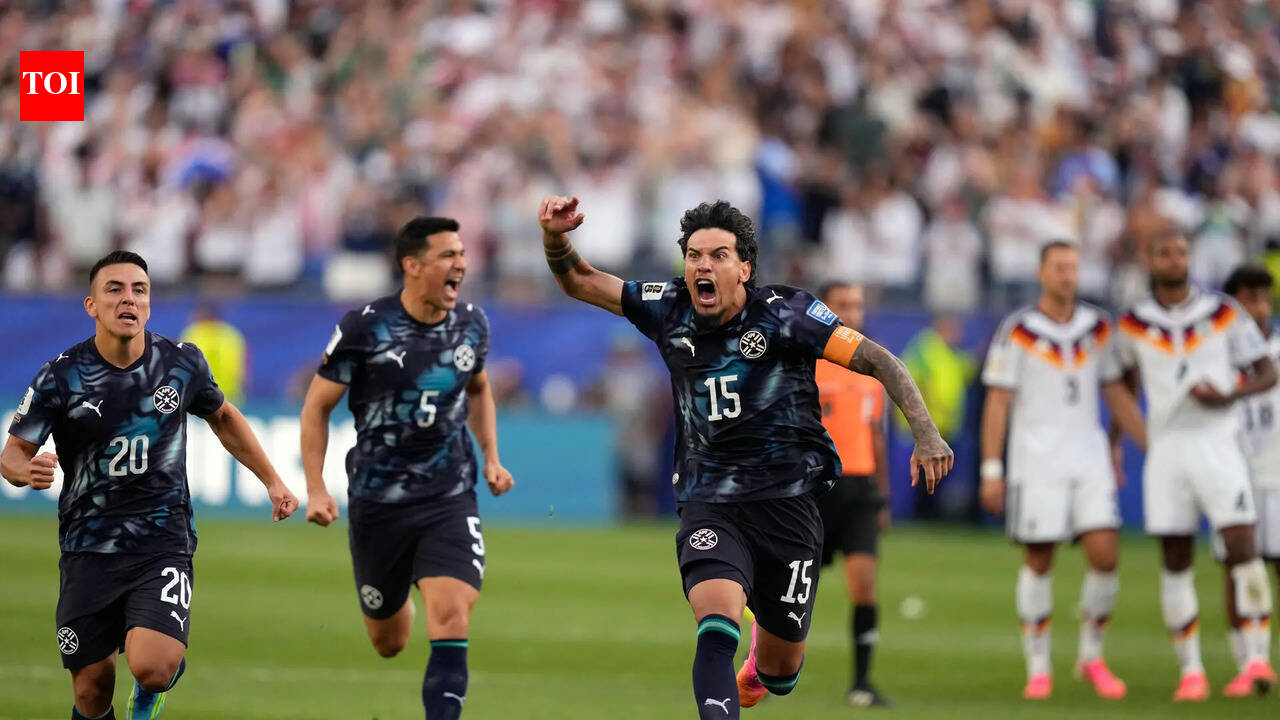
Paraguay produced a stunning World Cup shock in Boston, beating Germany 4-3 on penalties following a 1-1 draw. The result marks a significant shift in tournament progression. Despite Germany maintaining superior possession, chances and territorial control throughout the 120-minute contest, Paraguay utilized a disciplined defensive structure and key saves from goalkeeper Orlando Gill to force the match into a decisive spot-kick sequence.
The match, held in the United States, saw Germany struggle to capitalize on their attacking opportunities. The German side dominated the statistical categories for possession, chances and territory throughout both regulation time and the subsequent extra-time periods. However, the Paraguayan defensive line, anchored by organized tactical positioning, successfully neutralized the German offensive efforts, keeping the score level at 1-1 by the conclusion of play. This defensive resilience served as the foundation for Paraguay’s eventual advancement to the next stage of the competition.
Tactical Execution and Defensive Resilience
The dynamic of the game was defined by Germany’s persistent attempts to break through the Paraguayan defensive resilience. Throughout the 120 minutes of play, Germany dominated, yet the clinical finishing required to secure a victory in open play remained elusive. Paraguay’s approach prioritized minimizing space, a strategy that forced the German attack to rely on efforts that were largely managed by the Paraguayan defense.

Central to Paraguay’s success was the performance of goalkeeper Orlando Gill. His positioning during sustained periods of pressure were primary reasons for the team’s survival. While Germany created multiple scoring chances, Gill’s interventions ensured that Paraguay stayed within reach, eventually transitioning the game into the high-pressure environment of a penalty shootout. This outcome highlights the effectiveness of Paraguay’s deep defensive resilience, which allowed them to remain in the game even while under significant defensive strain.
Historical Significance of the Penalty Shootout
The conclusion of the match carries historical weight. This result marks Germany’s first-ever World Cup shootout defeat. The loss brings an end to their tournament campaign, reflecting the unpredictable nature of knockout football where dominant possession does not always translate to a win.
For Paraguay, the victory serves as a testament to their preparation and mental fortitude. By successfully converting their attempts during the shootout, the team capitalized on the momentum gained from their defensive performance. The match serves as an example of how tactical discipline can overcome a team that holds a statistical advantage in traditional metrics like possession and shot volume. Following the conclusion of this fixture, the tournament bracket has been updated to reflect Paraguay’s progression.
Looking Ahead
As the tournament progresses, the focus shifts to the upcoming knockout fixtures. Paraguay now prepares for the next phase of the competition.

The elimination of Germany leaves a notable gap in the projected path for other contenders, potentially altering the competitive landscape for the remainder of the tournament. Fans and analysts are now looking toward the next set of matches to see if the defensive-minded success displayed by Paraguay will influence the tactical approaches of other teams. We invite our readers to share their thoughts on the match and the implications for the tournament in the comments section below.