
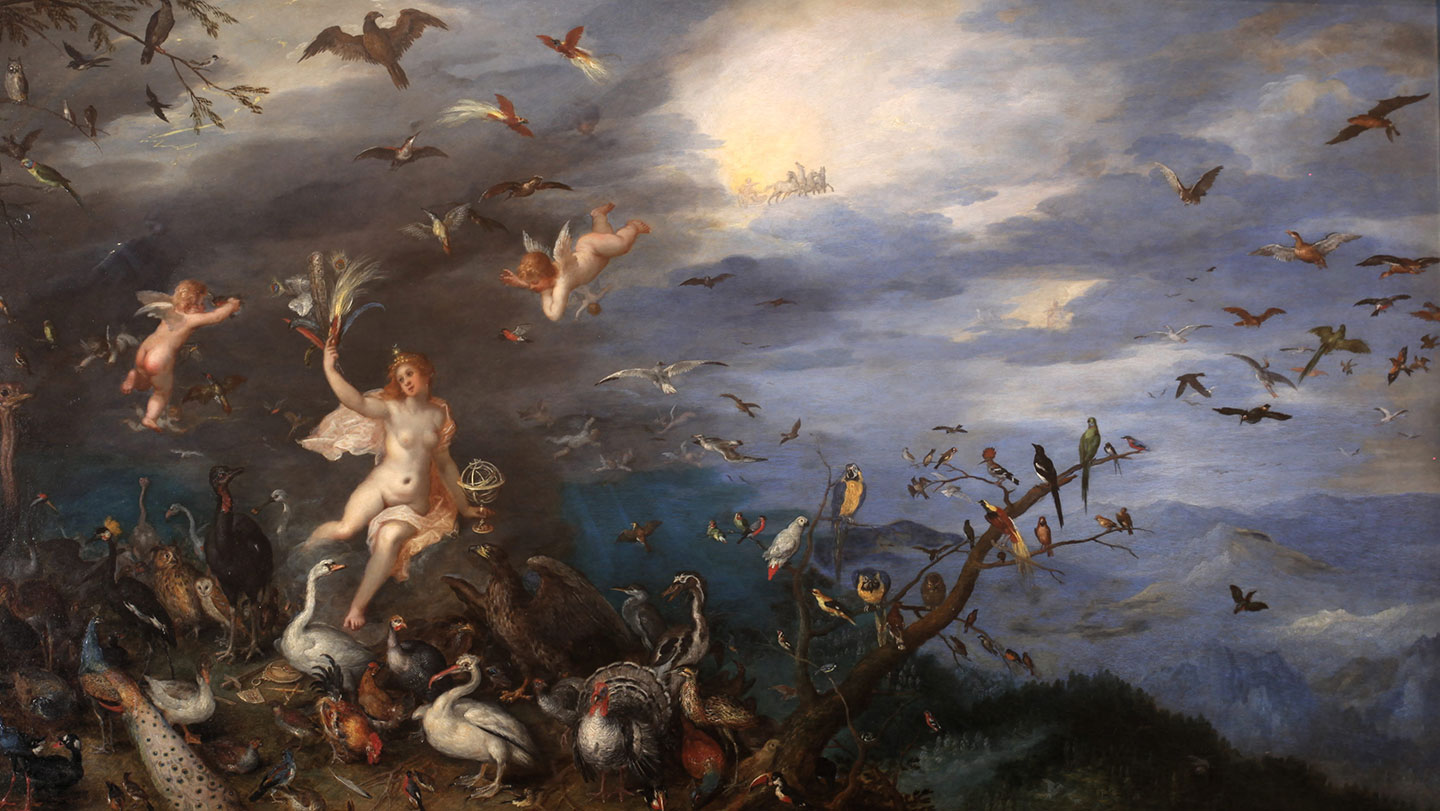
A detail in a 400-year-old painting by Jan Brueghel the Elder suggests the artist may have documented predatory behavior in bats long before modern science formally recorded such dietary habits. The painting, titled The Entry of the Animals into Noah’s Ark, depicts a bat catching a bird, a scene that has recently drawn attention from researchers studying the historical intersection of art and biological observation.
While most bat species are known for consuming insects or fruit, the observation of bats preying on birds has historically been a subject of limited documentation in the scientific record. According to research published in the journal Archives of Natural History, the inclusion of this specific interaction in Brueghel’s work—completed in 1613—predates documented scientific accounts of similar behavior by several centuries.
Art as a Biological Record
Jan Brueghel the Elder, a Flemish painter known for his meticulous attention to detail and naturalistic depictions of wildlife, frequently incorporated diverse species into his compositions. The presence of a bat consuming a bird in The Entry of the Animals into Noah’s Ark is not merely a stylistic flourish; it reflects the artist’s commitment to observing the natural world as it was understood in the early 17th century. As noted by historians at the J. Paul Getty Museum, Brueghel often relied on both direct observation and the study of existing natural history texts to populate his crowded, encyclopedic scenes.
The painting serves as a bridge between Renaissance artistic tradition and early biological inquiry. While scientists in the 17th century lacked the modern tools to observe nocturnal predatory patterns in detail, the work suggests that such interactions were either witnessed by the artist or recorded in anecdotal accounts that influenced his creative process. The specific depiction of the bat—identified by its anatomy—clutching a smaller bird challenges the long-held assumption that such behaviors were unknown or unobserved by pre-modern naturalists.
Scientific Perspective on Bat Diets
Modern zoology confirms that while bird-eating is rare among the global bat population, it is a documented survival strategy for certain species. According to data from the Bat Conservation International, specific species like the spectral bat (Vampyrum spectrum) and certain members of the Nyctalus genus have been observed consuming small birds. This dietary flexibility allows these animals to exploit food sources that are unavailable to their insectivorous counterparts.

The discovery in Brueghel’s painting highlights the value of analyzing historical art through a scientific lens. By comparing the visual evidence in the work against modern ecological data, researchers are gaining a better understanding of how human perception of wildlife has evolved. The painting does not merely provide a snapshot of religious allegory; it acts as a primary source for the history of ethology, the study of animal behavior.
Why This Discovery Matters
The intersection of art history and biology provides a unique opportunity to map the historical distribution and behavior of species. Because many animal populations have shifted due to environmental changes over the last four centuries, works of art like those of Brueghel provide a baseline for what naturalists once encountered in the wild. As outlined in reports from the National Gallery, these paintings are often the only remaining evidence of how certain species interacted in ecosystems that have since been altered by human development.
This finding encourages further collaboration between art historians and biologists. By cataloging the various species depicted in Renaissance works, scientists may be able to identify patterns of behavior or species presence that were previously overlooked. This interdisciplinary approach demonstrates that information regarding the natural world is often hidden in plain sight, waiting to be rediscovered by those willing to look at classical art with a modern scientific eye.
Next Steps in Research
Researchers involved in the study of Brueghel’s work are currently cataloging other wildlife depictions within his portfolio to determine if additional instances of predatory behavior exist. Future investigations will likely focus on comparing these findings with historical records of regional fauna in the Southern Netherlands during the early 1600s. There is no scheduled date for the release of a comprehensive catalog, but findings are expected to be presented at upcoming academic symposia focused on the history of science and art.

Readers interested in viewing the painting and its details can visit the online collection of the J. Paul Getty Museum. We encourage our readers to share their thoughts on this intersection of art and science in the comments section below.