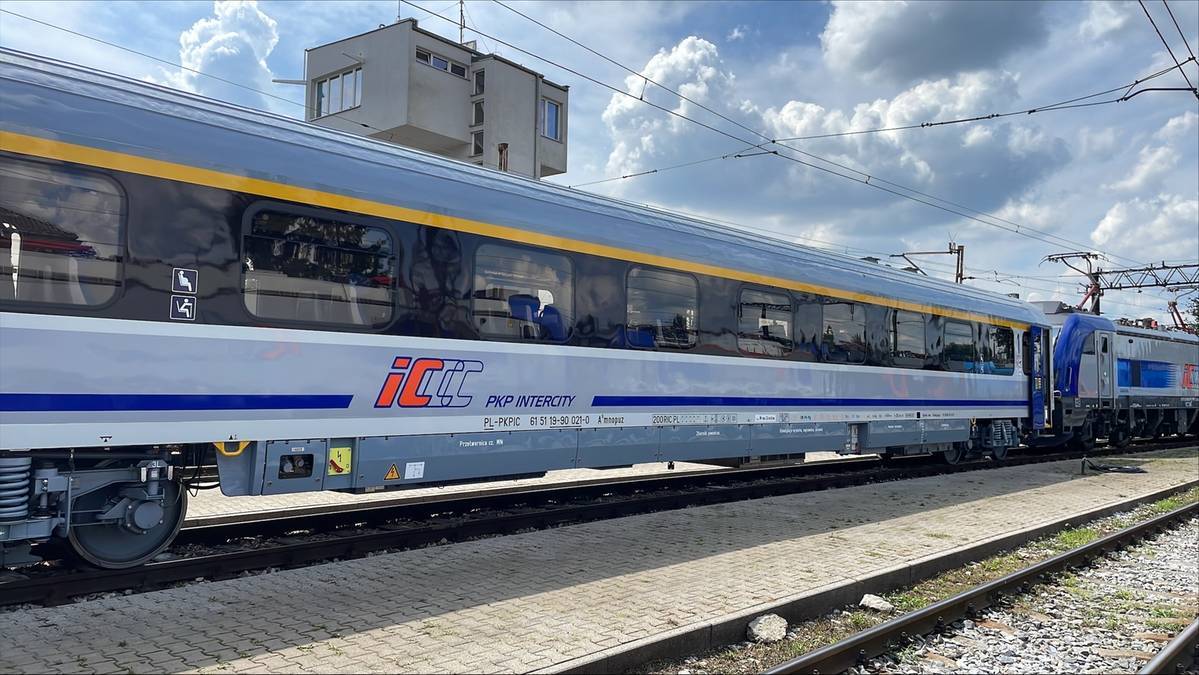
Poland’s national rail operator has cancelled more than 250 train services in recent days as record-breaking heatwaves—with temperatures exceeding 38°C (100°F)—cause widespread disruptions to the country’s railway infrastructure. According to the Polish State Railways (PKP), the extreme conditions have led to track deformations, signaling failures, and overheating of electrical systems, forcing operators to suspend services across multiple regions. Passengers are facing significant delays, with some stranded for hours as authorities work to restore normal operations.
In a statement released today, PKP confirmed that the cancellations—affecting both regional and long-distance routes—stem from “technical difficulties caused by the extreme weather.” The operator emphasized that safety remains the top priority, with engineers conducting emergency inspections of critical infrastructure. Meanwhile, alternative transport solutions, including bus replacements, have been deployed where possible, though capacity remains limited.
The disruptions come as Poland experiences one of its hottest summers on record, with meteorologists warning that temperatures could remain above 35°C (95°F) for several more days. The situation has prompted calls from transport officials for long-term investments in climate-resilient infrastructure, including heat-resistant tracks and upgraded signaling systems. “This is not just a temporary issue,” said a spokesperson for the Polish Ministry of Infrastructure, noting that similar heat-related disruptions have occurred in recent years as global temperatures rise.
For travelers affected by the cancellations, PKP has advised checking real-time updates on their official website or via the PKP Intercity app, where live service statuses and alternative travel options are being posted. The operator has also urged passengers to avoid peak travel times where possible to reduce congestion on remaining operational routes.
Why Are Trains Being Cancelled in Poland Due to Heat?
Extreme heat poses multiple risks to railway infrastructure, particularly in older systems like Poland’s. According to PKP’s technical reports, high temperatures cause steel tracks to expand, leading to misalignments that can derail trains if unchecked. Additionally, electrical systems—critical for signaling and power supply—overheat, triggering automatic shutdowns to prevent failures. “The combination of prolonged heat and aging infrastructure creates a perfect storm for disruptions,” explained a PKP engineer, who requested anonymity due to the sensitivity of the situation.
Data from the Polish Railway Infrastructure Manager (KNF) shows that heat-related incidents have increased by nearly 40% over the past five years, correlating with rising average summer temperatures. While newer high-speed lines are better equipped to handle heat, many of Poland’s regional and legacy routes lack such protections, leaving them vulnerable.
Which Regions Are Most Affected by the Train Cancellations?
The disruptions are concentrated in central and southern Poland, where temperatures have been the highest. According to regional reports:
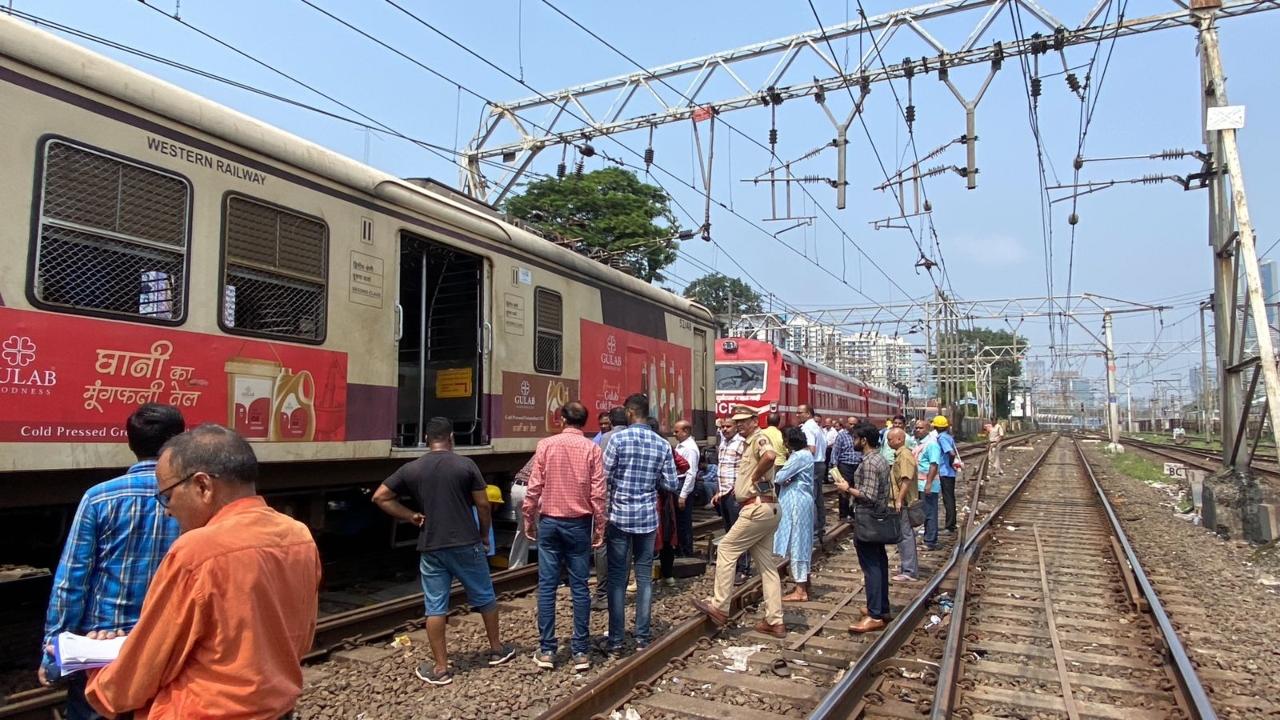
- Greater Poland (Wielkopolska): Over 120 cancellations reported, with PKP Wielkopolskie confirming that track repairs are underway but delays could persist until temperatures drop.
- Lublin and Subcarpathia: Long-distance routes, including Warsaw-Lublin connections, have seen significant reductions in service frequency.
- Silesia and Lower Silesia: Coal-dependent regions where electrical systems are particularly stressed by heat.
Passengers traveling through border crossings, such as those between Poland and Germany or the Czech Republic, have also faced complications, with some trains diverted or delayed at frontier stations due to infrastructure constraints.
What Is PKP Doing to Restore Normal Operations?
PKP has activated emergency protocols, including:
- 24/7 monitoring of critical track sections using thermal imaging and drones.
- Temporary speed restrictions on affected routes to mitigate further damage.
- Coordination with local authorities to deploy alternative transport, though capacity remains strained.
- Long-term plans to invest in heat-resistant materials and upgraded signaling technology, with discussions ongoing for potential funding.
A spokesperson for PKP stated that while immediate cancellations are necessary for safety, the operator is working to minimize long-term disruptions. “We are treating this as a wake-up call,” the spokesperson said. “Climate change is no longer a distant threat—it’s impacting our daily operations today.”
How Are Passengers Affected, and What Should They Do?
Travelers caught in the disruptions report frustration over lack of clear communication and limited compensation options. PKP’s standard policy offers partial refunds for cancelled tickets, but many passengers have noted delays in processing requests. Meanwhile, those with connecting flights or other time-sensitive journeys face additional stress as they scramble for alternatives.
For those planning travel in the coming days, experts recommend:
- Checking PKP’s live schedule for real-time updates.
- Contacting customer service in advance to explore refund or rebooking options.
- Avoiding peak travel times if possible, as remaining services may be overcrowded.
- Monitoring weather forecasts, as further heatwaves could exacerbate the situation.
What Happens Next? The Outlook for Poland’s Railways
With meteorologists predicting that Poland could see another heatwave in the coming week, transport officials are bracing for potential further disruptions. In the short term, PKP has pledged to maintain transparency, providing daily updates on affected routes. Longer-term, the incident has reignited debates about infrastructure investment, with some lawmakers calling for accelerated funding to modernize Poland’s rail network.
The European Railway Agency (ERA) has also issued a statement urging member states to prioritize climate resilience in their transport planning. “Railways are a cornerstone of sustainable mobility, but they must be built to withstand the challenges of a changing climate,” said an ERA spokesperson. “This situation in Poland is a reminder that proactive adaptation is no longer optional.”
For now, passengers are advised to stay flexible and monitor official channels. PKP has not yet announced a full return to normal service, but engineers remain optimistic that repairs will be completed within days, assuming temperatures stabilize.
Key Takeaways
- Over 250 train cancellations have been reported in Poland due to extreme heat, with PKP citing track deformations and electrical failures as primary causes.
- Regions like Wielkopolska, Lublin, and Silesia are hardest hit, with long-distance and regional services most affected.
- PKP is deploying emergency repairs and alternative transport but warns further disruptions are possible if temperatures remain high.
- Passengers are advised to check real-time updates and consider refunds or rebookings for affected journeys.
- The incident has sparked discussions about long-term infrastructure investments to mitigate future climate-related disruptions.
Next Steps: PKP will provide an updated service status report. For the latest information, visit PKP’s official website or contact their customer service. Have you been affected by the cancellations? Share your experience in the comments below.
Worth a look
- Anne Hathaway Addresses Fan Fears Over Dog’s Fate in ‘The End of Oak Street
- Ziraat Bank Emekli Promotion 2026: Updated Payment Tables and Advance Rates Revealed
- Extreme Climate Survival: How People and Animals Adapt (newsdirectory3.com)
- Europe Wildfires Force Thousands to Flee Amid Record Heatwave (archynewsy.com)