
XREAL’s Aura XR augmented reality glasses have begun pre-orders at €1,400, marking the company’s entry into the ultra-light AR wearables market with a design weighing under 95 grams and featuring Sony displays. The device, which splits into two lightweight components, targets developers and early adopters ahead of a broader consumer rollout, according to the company’s official announcement. With a focus on portability and modularity, the Aura XR positions itself as a competitor to established AR glasses like Apple Vision Pro and Meta Quest Pro, though at a significantly lower price point.
XREAL, a Chinese tech firm specializing in augmented reality and mixed reality devices, has positioned the Aura XR as a “developer-friendly” platform. The glasses’ split design—separating the display modules from the processing unit—allows users to carry only the displays when needed, reducing bulk. Early reviews from tech influencers highlight the device’s lightweight feel and integration with Sony’s high-resolution displays, though battery life and software ecosystem remain points of scrutiny.
The pre-order launch follows months of speculation about XREAL’s push into consumer AR, a sector dominated by high-end devices like Apple’s Vision Pro (starting at $3,499) and Meta’s Quest Pro (from $999). The Aura XR’s €1,400 price tag—less than half the cost of Apple’s flagship—could attract a broader audience, though industry analysts warn that AR adoption hinges on both hardware innovation and developer support. “The real test will be whether XREAL can build an app ecosystem that justifies the hardware investment,” said The Verge’s Tom Warren in a recent analysis.
Why the Aura XR Stands Out in a Crowded AR Market
The Aura XR’s most striking feature is its weight—under 95 grams, according to XREAL’s specifications. This is significantly lighter than competitors: the Apple Vision Pro weighs 640 grams, while Meta’s Quest Pro is 540 grams. The split design, which separates the display modules from the processing unit, allows users to carry only the displays (weighing ~45 grams each) when needed, a feature XREAL markets as “modular portability.”
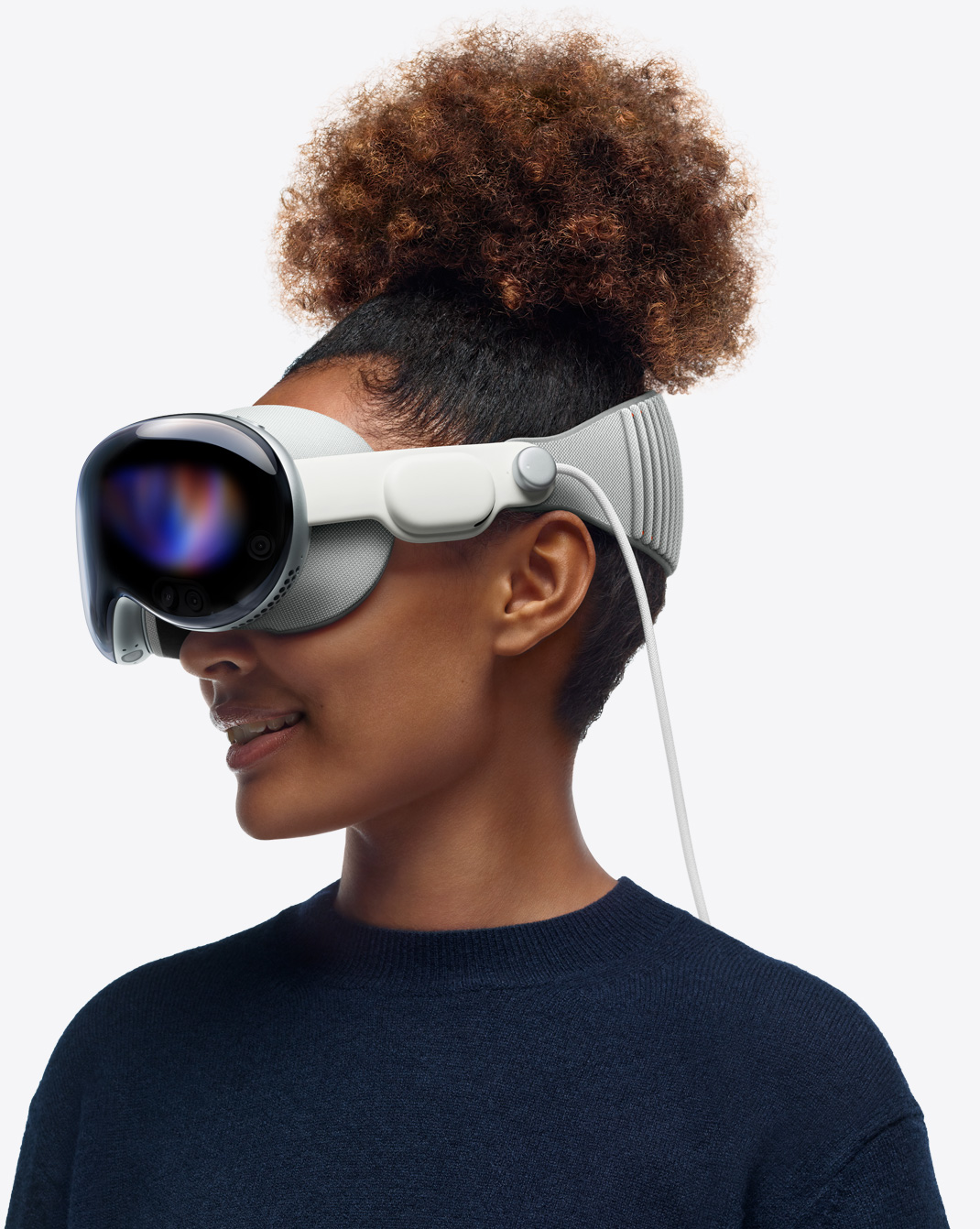
Another key differentiator is the use of Sony’s E-mount displays, which deliver high resolution and brightness. However, the Aura XR lacks built-in cameras or advanced eye-tracking, limiting its utility for mixed-reality applications compared to devices like the Microsoft HoloLens 2. “For developers, the trade-off is clear: lighter weight and lower cost come at the expense of some enterprise-grade features,” noted Engadget’s review.
Pricing is another critical factor. At €1,400, the Aura XR is positioned as a mid-range option between Meta’s Quest Pro and Apple’s Vision Pro. However, it remains to be seen whether the device will attract a significant consumer base. “AR glasses have struggled to gain traction outside of niche markets,” said The Wall Street Journal’s Tech Section in a 2023 report, citing slow adoption rates for previous AR wearables like Google Glass and Magic Leap.
Who Is the Aura XR Targeting?
XREAL has explicitly marketed the Aura XR to developers, offering an SDK for app creation. This strategy mirrors early adopter campaigns for devices like the Apple Vision Pro, which initially targeted enterprise users before expanding to consumers. The company has also partnered with Sony to integrate its display technology, a move that could enhance the device’s visual fidelity.
For consumers, the Aura XR’s appeal lies in its portability and potential for gaming, productivity, and media consumption. However, the lack of built-in cameras and limited software ecosystem may deter casual users. “The Aura XR is a step forward for AR wearables, but it’s not a replacement for traditional smartphones or laptops,” said CNET’s review. Early adopters will need to weigh the trade-offs between weight, price, and functionality.
What Happens Next: Pre-Order, Release, and Beyond
Pre-orders for the Aura XR are now open, with XREAL stating that the devices will ship in the coming months. The exact release date has not been confirmed, but the company has hinted at a gradual rollout to manage production demands. Potential buyers should note that the €1,400 price includes a developer kit, which may limit consumer appeal until more consumer-focused apps are available.
Industry observers suggest that XREAL’s success will depend on three key factors:
- Developer adoption: Whether independent and enterprise developers create compelling apps for the platform.
- Battery life: Early reports indicate the Aura XR’s battery lasts around 2–3 hours, which may be insufficient for extended use.
- Competitive response: How Apple, Meta, and other players react to XREAL’s entry into the market.
For now, the Aura XR represents a bold entry into the AR wearables market, offering a lightweight, affordable alternative to established players. Whether it can carve out a sustainable niche remains to be seen—but the pre-order phase is a critical first step.
Key Takeaways
- The XREAL Aura XR is an ultra-light AR glasses device weighing under 95 grams, featuring Sony displays and a split design for portability.
- Priced at €1,400, it targets developers and early adopters, positioning itself as a mid-range alternative to Apple Vision Pro and Meta Quest Pro.
- The device lacks built-in cameras and advanced eye-tracking, limiting its mixed-reality capabilities compared to competitors.
- Pre-orders are now open, with shipping expected in the coming months, though the exact release date has not been confirmed.
- Success will hinge on developer adoption, battery life improvements, and competitive response from established players.
Where to Learn More
For official updates, visit:
- XREAL’s official website
- Sony’s display technology page
- Apple’s AR development resources (for comparison)

Have questions about the Aura XR or AR wearables in general? Share your thoughts in the comments below or tag @WorldTodayJ on X for updates.
Worth a look