
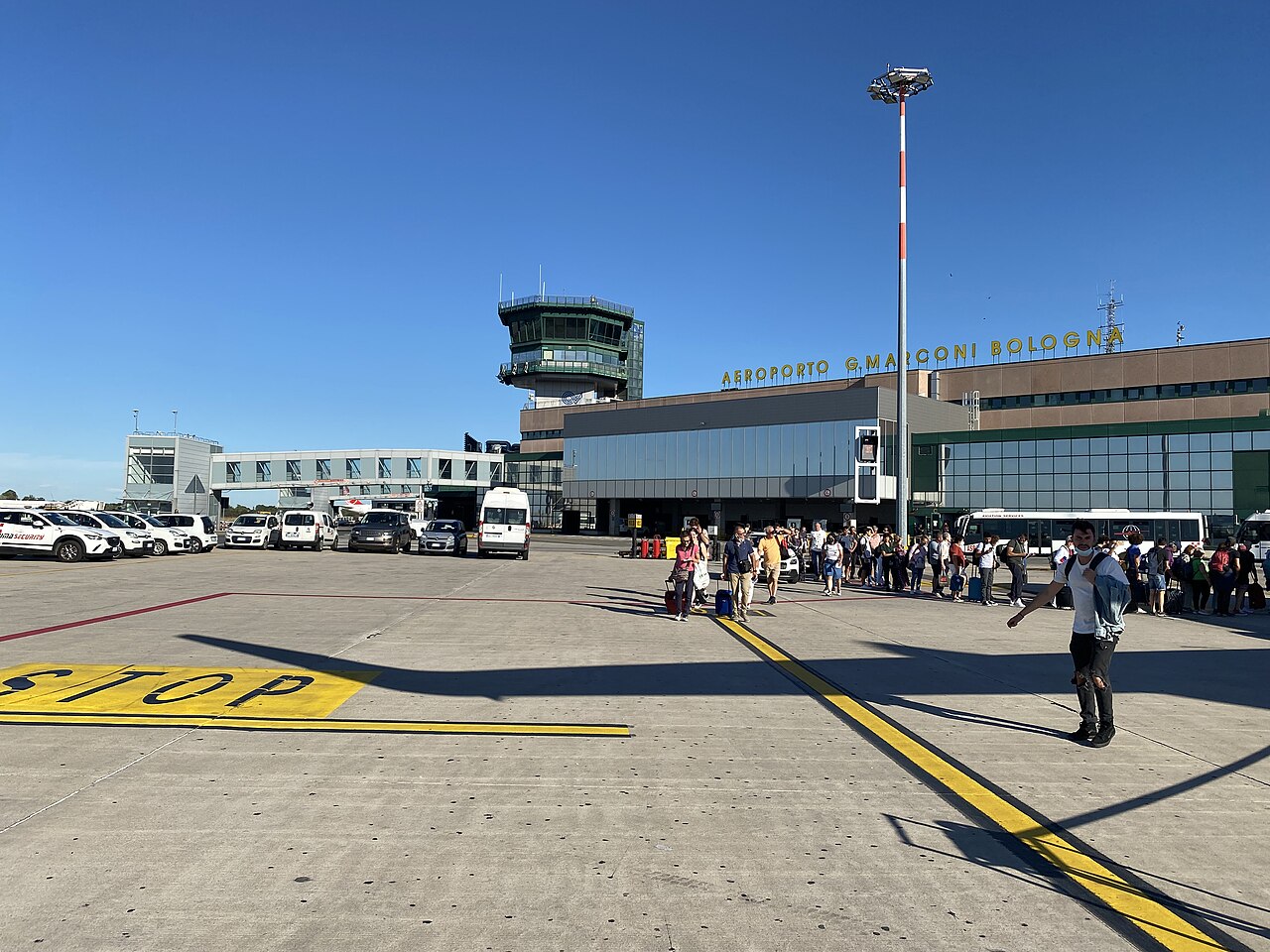
Severe thunderstorms, accompanied by heavy hail and high winds, swept through Bologna and parts of the Emilia-Romagna region on June 30, 2026, causing significant disruptions to air travel and public infrastructure. The extreme weather followed a period of record-breaking heat, forcing the suspension of operations at Bologna Guglielmo Marconi Airport as ground crews and flight paths were impacted by the volatile conditions.
The sudden shift from intense thermal pressure to heavy precipitation caught many in the region off guard. According to reports from regional meteorological monitors, the atmospheric instability triggered localized flooding and forced emergency services to clear debris from streets across the city. The Bologna Guglielmo Marconi Airport authority confirmed that flight schedules experienced rolling delays and cancellations throughout the evening as safety protocols were enacted to protect ground personnel and aircraft during the height of the storm.
As the Sports Editor here at World Today Journal, I have seen how weather patterns in Northern Italy frequently challenge major logistical hubs. My experience covering international events has taught me that the intersection of extreme heat and sudden convective storms is a recurring environmental challenge for the region. Travelers are advised that while operations often resume quickly, the backlog created by such weather events can persist for several hours.
Impact on Regional Transport and Infrastructure
The disruption at the airport serves as a primary indicator of the storm’s intensity. When visibility drops and wind gusts exceed safety thresholds, air traffic control is mandated to halt departures and arrivals to prevent ground incidents. Passengers currently in transit are encouraged to monitor the official flight status portal for the most accurate, real-time updates regarding their specific carriers.
Beyond the airport, the storm caused localized damage to urban infrastructure. The rapid accumulation of water in low-lying areas of Bologna prompted the local fire department to prioritize calls involving flooded basements and downed tree limbs. These incidents are common during the transition from high-pressure heatwaves to the cooler, unstable air masses that often characterize late June weather in the Po Valley.
Understanding the Weather Shift
The meteorological phenomenon observed on June 30 is frequently linked to the rapid cooling of the land surface after intense solar heating. As the ground temperature rises during the day, it creates a “heat island” effect in urban centers like Bologna. When a cooler air front moves in, the temperature differential triggers the formation of “supercell” or multi-cell storm structures, which are known for delivering sudden, concentrated bursts of hail and high-velocity winds.
For those tracking regional climate data, the Agenzia Regionale per la Prevenzione, l’Ambiente e l’Energia (ARPAE) serves as the primary authority for weather warnings and hydrological monitoring in Emilia-Romagna. Residents are urged to consult their official alerts before planning travel during periods of forecasted atmospheric instability.
Next Steps for Travelers and Residents
As of the latest reports, clean-up operations are underway. Travelers with upcoming flights should expect potential residual delays as airlines work to re-position aircraft and crews displaced by the storm. It is standard procedure for airlines to waive change fees in the event of major weather-related cancellations, though passengers must contact their specific airline directly to confirm individual eligibility.
The next official update regarding airport capacity and regional weather trends will be provided by the local civil protection authorities as they assess the damage to the surrounding transit network. We will continue to monitor the situation as more information becomes available. If you have been affected by these travel disruptions, please share your experience in the comments section below to help other travelers navigate the current situation.
Related reading