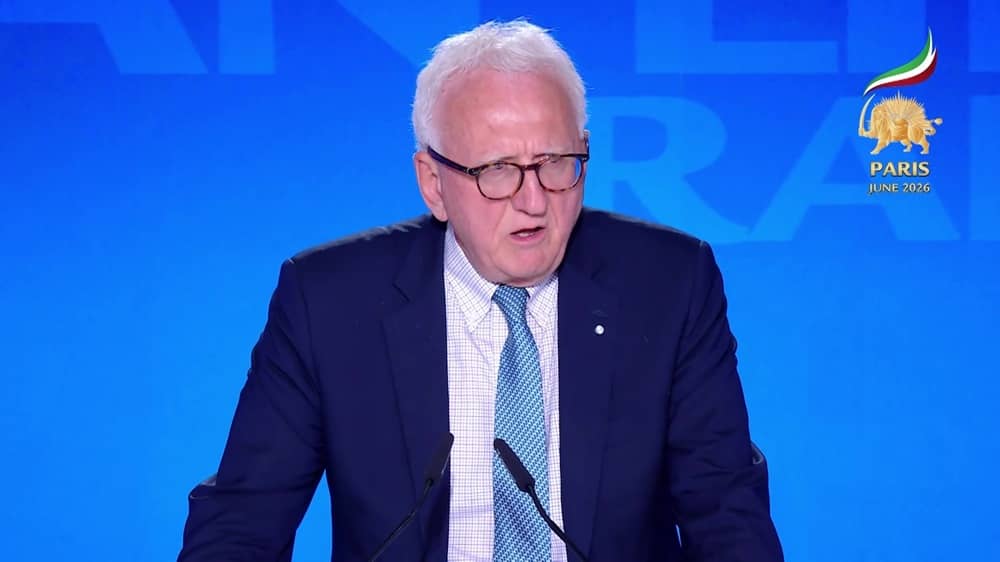
Advocates for the National Council of Resistance of Iran (NCRI) argue that fundamental regime change is the only viable method to prevent the Islamic Republic of Iran from acquiring a nuclear weapon. This position is based on the premise that the current leadership’s ideological commitments make diplomatic containment and non-proliferation agreements insufficient to ensure long-term regional security.
The debate over how to address Iran’s nuclear ambitions has intensified as international monitors report significant advancements in the country’s enrichment capabilities. While some global powers have historically favored diplomatic frameworks, such as the Joint Comprehensive Plan of Action (JCPOA), opposition groups and certain policy analysts argue that these measures fail to address the underlying intent of the Iranian government.
The Escalating Nuclear Proliferation Risk in Iran
The International Atomic Energy Agency (IAEA) has repeatedly raised concerns regarding the technical progress of Iran’s nuclear program. Recent monitoring reports indicate that Iran has significantly increased its stockpile of uranium enriched to 60% purity, a level that sits dangerously close to the 90% purity required for weapons-grade material. According to official IAEA reports, this enrichment activity poses a direct challenge to international non-proliferation efforts.
The concept of “breakout time”—the duration required for a state to produce enough weapons-grade uranium for a single nuclear device—has become a central focus for intelligence agencies. Analysts suggest that as Iran continues to expand its centrifuge capacity and enrichment levels, the window for diplomatic intervention narrows. The ability of the current administration to bypass international oversight at undeclared sites remains a primary concern for the UN security apparatus.
The NCRI Strategy: Why Regime Change is Proposed
The National Council of Resistance of Iran (NCRI), an umbrella organization for various Iranian opposition movements, maintains that the Islamic Republic is inherently incapable of adhering to non-proliferation treaties. The organization argues that the regime views nuclear capability as a tool for survival and regional influence, making any agreement based on trust fundamentally flawed.
According to statements from NCRI leadership, the current political structure is inseparable from its nuclear ambitions. They contend that:
- Ideological Drivers: The regime’s foundational doctrines prioritize strategic defiance over international integration.
- Failure of Sanctions: Previous economic sanctions, while impactful, have not successfully halted the technical progression of the nuclear program.
- Alternative Governance: The NCRI proposes a secular, democratic transition as the only way to ensure Iran’s integration into the global community as a non-nuclear state.
This perspective shifts the focus from technical monitoring to political transformation, suggesting that the security of the Middle East depends on the nature of the government in Tehran rather than the specifics of a technical treaty.
Comparison of Policy Approaches to the Iranian Nuclear Threat
International policymakers are currently divided between two primary strategic paths. The following table compares the objectives and perceived risks of each approach:
| Feature | Diplomatic Containment (e.g., JCPOA) | Regime Change Advocacy (NCRI Position) |
|---|---|---|
| Primary Goal | Limit enrichment and extend breakout time through inspections. | Replace the current leadership with a non-nuclear-seeking government. |
| Mechanism | Treaties, monitoring, and targeted economic sanctions. | |
| Perceived Risk | The regime may use the “breathing room” to advance nuclear technology covertly. | Potential for regional instability or civil unrest during a transition. |
| Key Stakeholders | UN Security Council, IAEA, P5+1 nations. | Iranian opposition, specific Western policy advocates. |
The Role of Global Monitoring and International Law
While the debate over regime change continues, the immediate technical reality is managed through international law and institutional oversight. The IAEA remains the primary body responsible for verifying that Iran’s nuclear activities are exclusively peaceful. This process relies on a complex system of on-site inspections, satellite imagery, and environmental sampling.

However, the effectiveness of this monitoring is often tied to the level of cooperation provided by the Iranian government. When access to specific sites is restricted, the IAEA’s ability to provide “credible assurance” is diminished. This tension between technical verification and political sovereignty is the crux of the ongoing nuclear crisis. The UN Security Council continues to play a role in determining whether Iran’s actions constitute a breach of international mandates, which could trigger further legal or economic consequences.
What Happens Next for Iran’s Nuclear Program?
The trajectory of the nuclear crisis will likely be determined by several upcoming developments in the international arena. Observers are closely watching for:
- IAEA Board of Governors Meetings: These sessions will provide updated data on enrichment levels and the status of inspector access.
- Diplomatic Negotiations: Any renewed attempts to revive or modify previous nuclear deals will serve as a litmus test for the containment strategy.
- Regional Security Shifts: Changes in the geopolitical landscape of the Middle East may influence how major powers approach the Iranian government.
Frequently Asked Questions
What is the NCRI?
The National Council of Resistance of Iran (NCRI) is an umbrella organization representing various Iranian opposition groups that advocate for a secular and democratic government in Iran.
Why is 60% enrichment considered a concern?
While not weapons-grade, 60% enrichment is a significant technical step toward 90% (weapons-grade). It reduces the amount of work and time required to reach a nuclear capability.
Can diplomacy prevent a nuclear weapon?
Proponents of diplomacy argue that treaties and inspections can effectively manage and delay nuclear development. Opponents argue that only a change in leadership can eliminate the intent to build such a weapon.
The next major checkpoint for the international community will be the upcoming report from the IAEA Board of Governors, which will detail the current status of Iranian enrichment and site access.
Do you follow the developments in Middle East security? Share your thoughts in the comments below and share this article with your network.
Worth a look
- How a Stress Hormone Helps the Brain Repair Itself After Injury
- Night Sweats: When Are They a Warning Sign of Cancer?
- Apple Warns iPhone Users in 110 Countries of Mercenary Spyware Attacks (archynewsy.com)
- Government Warns Single-Use Grills Pose Significant Public Risk Amid Heatwave (world-today-news.com)