
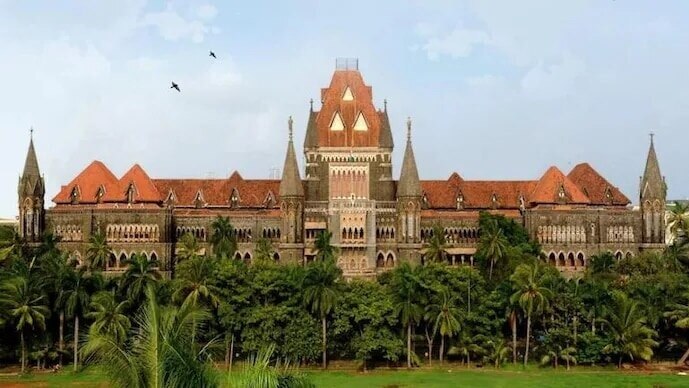
The Bombay High Court has ruled that individuals who convert to Islam will no longer be entitled to protections under the Scheduled Castes and Scheduled Tribes (Prevention of Atrocities) Act, a landmark decision with far-reaching implications for social justice and religious freedom in India.
The judgment, delivered on June 14, 2024, clarifies that conversion to Islam—whether voluntary or forced—severs the legal classification of an individual as a member of a Scheduled Caste or Scheduled Tribe. This means they lose access to safeguards under the 1989 Act, which criminalizes atrocities against marginalized communities. The ruling stems from a petition challenging whether such protections extend to converts, particularly in cases involving interfaith marriages or religious persecution.
Legal scholars describe the decision as a “significant shift” in how Indian courts interpret constitutional protections for vulnerable groups. While the judgment does not explicitly address conversions to other religions, it sets a precedent that could influence future cases. The ruling has sparked debate among human rights advocates, who argue it undermines the Act’s core purpose of protecting the most disadvantaged communities.
What the Bombay High Court Ruling Means for SC/ST Communities
The Scheduled Castes and Scheduled Tribes (Prevention of Atrocities) Act, commonly known as the SC/ST Act, was enacted to combat caste-based discrimination and violence. The law provides legal recourse for victims of atrocities, including physical harm, social boycotts, and economic exploitation. However, the Bombay High Court’s ruling introduces a critical exception: individuals who convert to Islam will no longer qualify for these protections.

According to the judgment, the court reasoned that conversion fundamentally alters an individual’s social and legal identity. “Once a person converts to Islam, they cease to be a member of the Scheduled Caste or Scheduled Tribe community,” the ruling states. This interpretation aligns with India’s constitutional framework, which recognizes religion as a defining aspect of personal identity under Article 25.
Legal experts warn that the ruling could have unintended consequences. Dr. Ananya Roy, a constitutional law professor at Jawaharlal Nehru University, told World Today Journal that the decision “risks creating a two-tier system of protection, where religious identity supersedes caste-based safeguards.” She noted that similar cases involving conversions to Christianity or Hinduism have not been tested in the same way, leaving room for inconsistency in legal interpretations.
Who Is Affected by the Ruling?
The ruling primarily impacts individuals who convert to Islam from Scheduled Castes or Scheduled Tribes, particularly in states where interfaith marriages and religious conversions are contentious. Advocacy groups report that many such conversions occur under pressure, often involving threats of social ostracization or economic retaliation. The loss of SC/ST Act protections could leave converts vulnerable to further persecution.
Data from the National Crime Records Bureau (NCRB) shows that atrocities against Scheduled Castes and Tribes remain a persistent issue. In 2023 alone, there were 47,520 registered cases under the SC/ST Act (NCRB 2023 Report). While the Bombay High Court’s decision does not directly reduce these numbers, it may deter victims from seeking legal recourse if they fear losing protections upon conversion.
Human rights organizations, including the Equality Labs, have condemned the ruling. “This judgment sends a dangerous message that religious identity can be used to strip away constitutional protections,” said a spokesperson for the group. The organization has filed an appeal in the Supreme Court, arguing that the ruling contradicts the spirit of the SC/ST Act.
How Does This Ruling Compare to Previous Legal Precedents?
The Bombay High Court’s decision builds on earlier judgments that have grappled with the intersection of religion and caste in India. In 2010, the Supreme Court ruled in Jarnail Singh vs. Lachhmi Narain Gupta that the SC/ST Act applies to all members of Scheduled Castes and Tribes, regardless of their religious beliefs. However, the Bombay High Court’s ruling carves out an exception for Islam, a faith that has historically been associated with conversions from marginalized communities.
A comparison of key legal precedents highlights the evolving nature of this issue:
| Case | Year | Key Ruling | Relevance to Current Decision |
|---|---|---|---|
| Jarnail Singh vs. Lachhmi Narain Gupta | 2010 | SC/ST Act protections apply to all members of Scheduled Castes and Tribes, irrespective of religion. | Contradicted by Bombay High Court’s new ruling, which excludes converts to Islam. |
| State of Bombay vs. Narayan Raghunath Dhotre | 1954 | Conversion to a different religion does not automatically sever caste identity. | Bombay High Court’s ruling effectively overturns this principle for Islam. |
| Shayara Bano vs. Union of India | 2017 | Supreme Court struck down instant triple talaq, affirming gender equality in Muslim personal law. | Irrelevant to SC/ST Act but underscores broader debates on religious identity and legal protections. |
The Bombay High Court’s decision has drawn sharp criticism from legal scholars who argue it creates an unequal framework. “The ruling treats Islam as an exception without adequate justification,” said legal analyst Arun Shourie. “This sets a precedent that could be exploited to undermine protections for other religious minorities.”
What Happens Next? Legal Challenges and Political Reactions
Opposition parties and rights groups have vowed to challenge the ruling in the Supreme Court. The Aam Aadmi Party (AAP) has condemned the decision, calling it a “retrogressive step” that undermines social justice. Meanwhile, the ruling Bharatiya Janata Party (BJP) has not issued an official statement, though some party members have expressed support for the court’s interpretation.
The next critical checkpoint is the Supreme Court’s consideration of the appeal filed by Equality Labs and other petitioners. Legal experts estimate that a final judgment could take 12–18 months, depending on the court’s docket. In the interim, state governments may face pressure to clarify how they will enforce the SC/ST Act in cases involving converts.
For individuals affected by the ruling, the immediate concern is access to justice. Advocacy groups are advising victims of atrocities to document incidents thoroughly and seek legal counsel before pursuing cases. The Bombay High Court’s decision does not retroactively remove protections, meaning those who converted before the ruling may still qualify for safeguards under the SC/ST Act.
Key Takeaways: What Readers Need to Know
- Loss of Protections: Individuals who convert to Islam will no longer be entitled to safeguards under the SC/ST Act, according to the Bombay High Court.
- Legal Precedent: The ruling contradicts earlier Supreme Court judgments that affirmed protections for all Scheduled Castes and Tribes, regardless of religion.
- Human Rights Concerns: Advocacy groups warn that the decision could leave converts vulnerable to further persecution and social exclusion.
- Next Steps: An appeal has been filed in the Supreme Court, with a potential judgment expected within 12–18 months.
- State Enforcement: Governments may need to clarify how they will apply the ruling in cases involving converts.
- Documentation Advice: Victims of atrocities are urged to document incidents carefully before seeking legal recourse.
Where to Find Official Updates and Legal Guidance
For those seeking clarity on the ruling and its implications, the following resources provide authoritative information:

- Supreme Court of India (Pending Cases) – Track the appeal filed against the Bombay High Court’s ruling.
- National Crime Records Bureau (NCRB) – Access annual reports on atrocities against Scheduled Castes and Tribes.
- Scheduled Castes and Scheduled Tribes (Prevention of Atrocities) Act, 1989 – Official text of the law.
- Equality Labs – Human rights organization monitoring cases involving religious conversions and caste-based discrimination.
The Bombay High Court’s ruling marks a pivotal moment in India’s legal landscape, raising critical questions about the balance between religious freedom and social justice. As the case moves to the Supreme Court, stakeholders—from victims and advocates to policymakers—will closely watch how the highest judicial body interprets the intersection of faith and constitutional protections.
Readers with additional questions or personal experiences related to this issue are encouraged to share their perspectives in the comments below. For legal advice, consult a qualified attorney familiar with the SC/ST Act and its recent interpretations.