
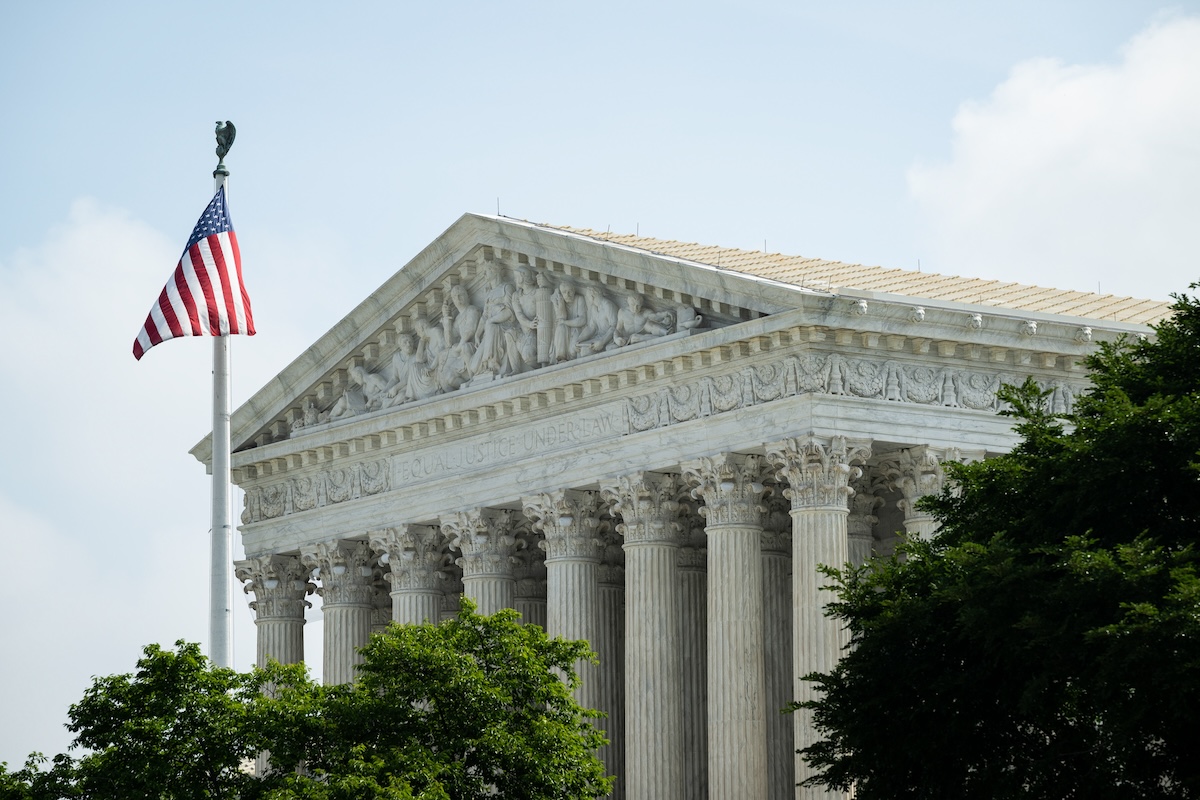
The U.S. Supreme Court has declined to intervene in legal challenges against state laws that prohibit transgender women and girls from competing in female athletics, effectively allowing restrictions in states like Idaho and West Virginia to remain in place. By refusing to hear these cases or granting emergency stays, the high court has left lower court rulings intact, which uphold the authority of state legislatures to define athletic categories based on biological sex rather than gender identity.
These legal developments center on the interpretation of Title IX, the federal civil rights law that prohibits sex-based discrimination in education. While the Biden administration has sought to expand Title IX protections to include gender identity, several state governments have argued that such expansions infringe upon state sovereignty and the intended purpose of women’s sports. The current judicial trajectory suggests a shift toward prioritizing biological sex as the primary criterion for eligibility in female sports categories.
The impact of these rulings is immediate for student-athletes in the affected jurisdictions. In Idaho, for example, the “Fairness in Women’s Sports Act” explicitly prohibits individuals who were born male from competing in female athletics. Similar legislation in West Virginia has faced challenges in lower courts, but the Supreme Court’s refusal to step in means these laws are currently enforceable, according to official court filings and state legislative records.
Why the Supreme Court’s inaction supports state bans
The Supreme Court does not hear every case appealed to it; by denying a petition for certiorari or refusing a stay, the court allows the decision of the lower appellate court to stand. In the cases involving Idaho and West Virginia, the lower courts had determined that the state laws did not violate the U.S. Constitution or the current statutory interpretation of Title IX. Because the Supreme Court declined to reverse these findings, the bans on transgender athletes in female categories remain legal within those states.


Legal analysts note that this follows a broader trend in the current court’s approach to “administrative deference.” The court has become increasingly skeptical of federal agencies—such as the Department of Education—attempting to redefine long-standing terms like “sex” through regulatory updates rather than through new legislation passed by Congress. This judicial philosophy places more power back into the hands of state legislatures to set their own policies regarding school sports.
According to the Supreme Court of the United States official records, the court’s refusal to grant emergency relief in these matters typically indicates that the justices do not see a “likelihood of success on the merits” or a “significant possibility of irreparable harm” that would justify overriding a lower court’s decision before a full trial is completed.
How Title IX interpretations are shifting
The conflict over transgender athletes is fundamentally a battle over the definition of “sex” under Title IX. For decades, the law was understood to refer to biological sex. However, the U.S. Department of Education under the Biden administration proposed rules that would interpret “sex discrimination” to include discrimination based on gender identity, which would theoretically protect transgender athletes’ right to compete according to their identity.
Opponents of these changes argue that allowing transgender women to compete in female categories undermines the “competitive equity” that Title IX was designed to create for biological women. They contend that physiological advantages—such as bone density and lung capacity—create an unfair playing field. This argument formed the basis for the laws passed in Idaho and West Virginia, which the courts have now allowed to persist.
The legal landscape is currently a patchwork. While some federal circuits have ruled that Title IX protects transgender students from being excluded from sports, other circuits and state courts have reached the opposite conclusion. The Supreme Court’s current reluctance to issue a sweeping national ruling means that the legality of these bans depends entirely on the state in which the school is located.
Who is affected by these athletic restrictions?
The primary group affected are transgender girls and women enrolled in K-12 schools and universities within states that have passed “save women’s sports” legislation. These athletes are now legally barred from participating in teams and competitions designated for females, regardless of whether they have undergone hormone replacement therapy (HRT) or other medical transitions.

School districts in Idaho and West Virginia must now enforce these bans to avoid legal penalties or the loss of state funding. For many athletes, this means they must either compete in male categories, which well-documented advocacy groups argue can lead to increased harassment and mental health struggles, or opt out of competitive sports entirely.
Conversely, biological female athletes in these states argue that these rulings protect their opportunities for scholarships, podium finishes, and fair competition. Organizations advocating for “women’s sports” claim that these legal victories ensure that the biological integrity of the female category is preserved, citing the physiological differences between biological males and females as a permanent disparity that cannot be fully mitigated by hormone therapy.
What happens next for transgender sports rights?
With the Supreme Court declining to provide a definitive national standard, the battle moves back to the lower courts and the legislative halls. Several other states have introduced similar bills, and they will likely look to the Idaho and West Virginia precedents as a blueprint for surviving legal challenges. The “Fairness in Women’s Sports” model is now being replicated across multiple U.S. jurisdictions.
The next major checkpoint will be the finalization and potential legal challenge of the Department of Education’s updated Title IX regulations. If the federal government attempts to mandate inclusion across all states, it will likely trigger a new wave of lawsuits that may eventually force the Supreme Court to issue a formal, written ruling on the definition of “sex” rather than simply denying a petition.
Until such a ruling occurs, the current status quo remains: states have the authority to ban transgender athletes from female sports, and those bans are legally enforceable according to the most recent judicial actions.
Readers are encouraged to share this report and leave comments regarding the impact of these rulings on student-athletes in their regions.