
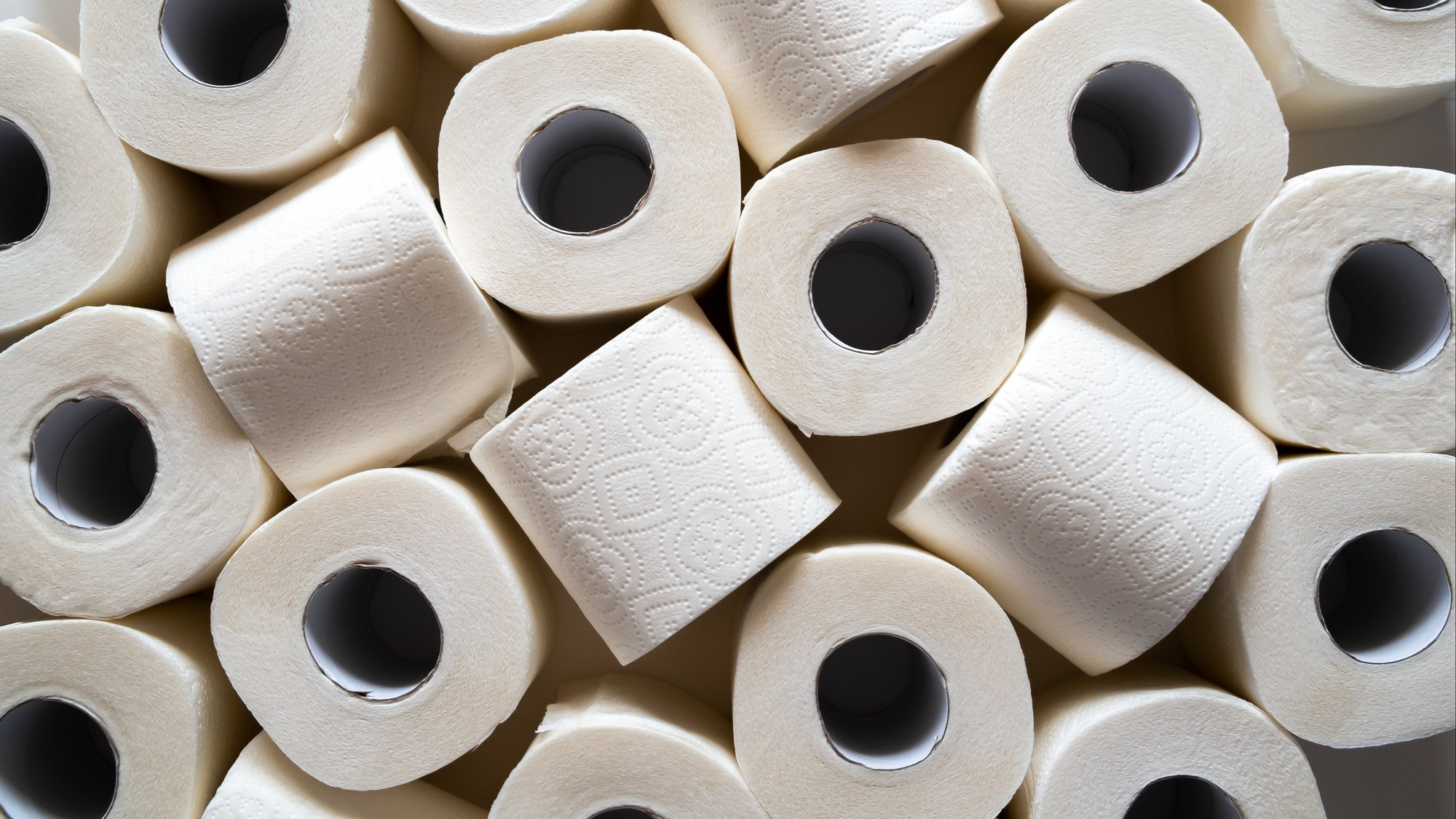
Modern hygiene products, including toilet paper, are facing increased scrutiny as researchers investigate the potential presence of chemical pollutants, such as formaldehyde and per- and polyfluoroalkyl substances (PFAS), in consumer goods. While these products are essential for daily sanitation, the manufacturing processes involved in transforming raw wood pulp into soft, absorbent paper may introduce chemical additives that raise concerns regarding both human health and environmental impact.
As a physician, I frequently see patients concerned about the chemical load in everyday household items. Formaldehyde is a known irritant often used in industrial processes to improve the wet strength of paper, while PFAS—often termed “forever chemicals”—are sometimes associated with the machinery or processing aids used in paper production. According to the U.S. Environmental Protection Agency (EPA), PFAS are a group of manufactured chemicals that do not break down easily in the environment and have been linked to various adverse health outcomes, though research specific to toilet paper exposure levels remains an evolving field.
Understanding the Chemical Composition of Household Paper
The manufacturing cycle of toilet paper begins with wood pulp, which is bleached and processed to achieve specific textures and strengths. To ensure paper does not disintegrate upon contact with water, manufacturers often utilize chemical binders. Formaldehyde, a colorless, strong-smelling gas, has historically been used in resins to provide this “wet strength.” However, due to its classification as a known human carcinogen by the International Agency for Research on Cancer (IARC), its use in consumer goods is strictly regulated in many jurisdictions.

Beyond formaldehyde, the presence of PFAS has become a focal point of recent environmental research. A study published in Environmental Science & Technology Letters in 2023 analyzed toilet paper samples from various regions and detected trace levels of 6:2 fluorotelomer phosphate diester (6:2 diPAP). The researchers suggested that these compounds might be introduced during the manufacturing process, either as a byproduct of wastewater treatment in paper mills or as a result of chemical additives used to prevent paper from adhering to machinery.
Health and Environmental Implications
The primary health concern regarding these chemicals in toilet paper involves dermal exposure. The skin is a significant barrier, but the mucosal membranes in sensitive areas are more permeable. While the concentrations of these pollutants found in standard toilet paper are generally low, the frequency of use creates a pathway for chronic, low-level exposure. The Agency for Toxic Substances and Disease Registry (ATSDR) notes that while human studies on the specific health effects of low-level PFAS exposure from paper products are limited, the persistence of these substances in the body warrants continued monitoring.
Environmental impact is a secondary, yet equally critical, concern. When toilet paper is flushed, these chemicals enter the municipal wastewater treatment system. Standard treatment plants are not always equipped to filter out complex synthetic compounds like PFAS, meaning these pollutants can eventually reach waterways. According to the Organisation for Economic Co-operation and Development (OECD), the accumulation of these substances in aquatic ecosystems poses risks to wildlife and can eventually enter the human food chain through contaminated water sources.
Navigating Product Safety and Alternatives
For consumers seeking to reduce their exposure to potential chemical additives, transparency in labeling remains a challenge. Many manufacturers are not required to list proprietary processing aids on packaging. However, there are proactive steps individuals can take to minimize risk:

- Prioritize Certifications: Look for products with independent environmental certifications, such as the Forest Stewardship Council (FSC) or those labeled as “processed chlorine-free,” which often adhere to stricter environmental standards.
- Choose Unbleached Options: Opting for unbleached or recycled paper products can sometimes reduce the likelihood of exposure to bleaching agents and associated chemical additives.
- Monitor Official Advisories: Regulatory bodies, such as the European Commission’s Scientific Committees, provide regular updates on chemical safety assessments that inform future product regulations.
The global conversation regarding industrial pollutants in consumer goods is shifting toward greater accountability. While the current data does not suggest an immediate, acute health crisis, the cumulative effect of synthetic chemical exposure is a valid subject for ongoing public health research. As regulatory frameworks evolve, we expect to see more stringent testing requirements for paper products. Readers are encouraged to keep track of updates from national health ministries and environmental protection agencies regarding emerging safety standards for household commodities. We welcome your questions and insights in the comments section below as we continue to track this important health and environmental story.