
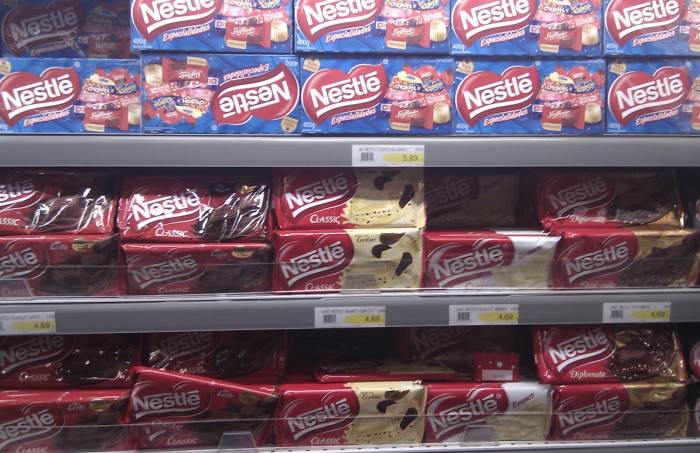
Nestlé has committed to removing all artificial food colorings from its global product portfolio by the end of 2026. The multinational food and drink conglomerate, headquartered in Vevey, Switzerland, confirmed the move as part of a broader, long-term strategy to simplify ingredient labels and align with evolving consumer preferences for natural food additives. This initiative represents a significant shift for the world’s largest food company as it seeks to standardize its recipes across diverse international markets.
The transition follows years of internal reformulations, as the company has gradually replaced synthetic dyes with plant-based alternatives, such as turmeric, paprika, and beetroot, in various product lines. The 2026 deadline marks a formal, company-wide push to complete this process across all categories, including confectionery, dairy, and culinary products. According to the company’s official guidance on food quality, the goal is to ensure that all ingredients are recognizable and transparent to consumers, responding to a growing body of public interest regarding the impact of synthetic additives on health and nutrition.
The Global Shift Toward Natural Ingredients
The move to eliminate artificial colorings is not an isolated event but a continuation of Nestlé’s “clean label” policy, which began in earnest over a decade ago. In the United Kingdom and several European markets, the company has already completed the transition for a majority of its chocolate and candy products. By expanding this policy globally, Nestlé aims to address the regulatory and consumer pressures that vary significantly from one region to another.
Industry analysts note that maintaining consistent product quality while removing synthetic components presents significant technical challenges. Artificial dyes are often preferred by manufacturers for their stability, shelf life, and vibrant appearance. Replacing these with natural, plant-derived pigments requires sophisticated food science to ensure the product maintains its aesthetic appeal and structural integrity throughout its distribution cycle. As documented in the Nestlé Annual Review 2023, the company continues to invest in research and development to overcome these stability issues while scaling production across its global manufacturing network.
Addressing Consumer Demand and Regulatory Standards
Consumer demand for “natural” and “no artificial” labeling has become a primary driver for food industry innovation. Research from the European Food Information Council (EUFIC) suggests that label transparency has a direct impact on brand trust, particularly as shoppers become more proficient at scanning ingredient lists for synthetic additives. By removing artificial colorings, Nestlé is positioning itself to meet the requirements of increasingly stringent food safety regulations in markets like the European Union, which has long enforced strict labeling requirements for synthetic dyes.
The company’s approach is also influenced by the need to navigate fragmented global food laws. While some countries allow specific synthetic colorings, others have moved to ban or require warning labels for them. A uniform, global policy simplifies the supply chain, reducing the need to maintain different product formulations for different geographical territories. This operational efficiency is a key component of the company’s broader sustainability and health agenda, which is detailed in their nutrition, health, and wellness strategy.
What Happens Next for Product Formulations
As the 2026 deadline approaches, consumers can expect to see a gradual rollout of reformulated products on store shelves. The process involves rigorous testing to ensure that the removal of synthetic dyes does not alter the taste or perceived quality of the items. For major brands, this means adjusting supply chains to source larger volumes of natural pigments, which can be more expensive and less stable than their artificial counterparts.

The company has indicated that it will continue to provide updates through its official corporate communications and product packaging. For stakeholders and consumers interested in tracking the progress of these ingredient changes, the company’s “Ask Nestlé” portal serves as the primary repository for information regarding specific product formulations and ingredient policies. No further major policy changes are expected until the company provides its next scheduled progress report on corporate sustainability and product health, which is typically released during the annual investor meeting cycle.
We welcome your thoughts on this shift toward natural ingredients. How does ingredient transparency influence your purchasing habits? Please feel free to share your insights in the comments section below.