
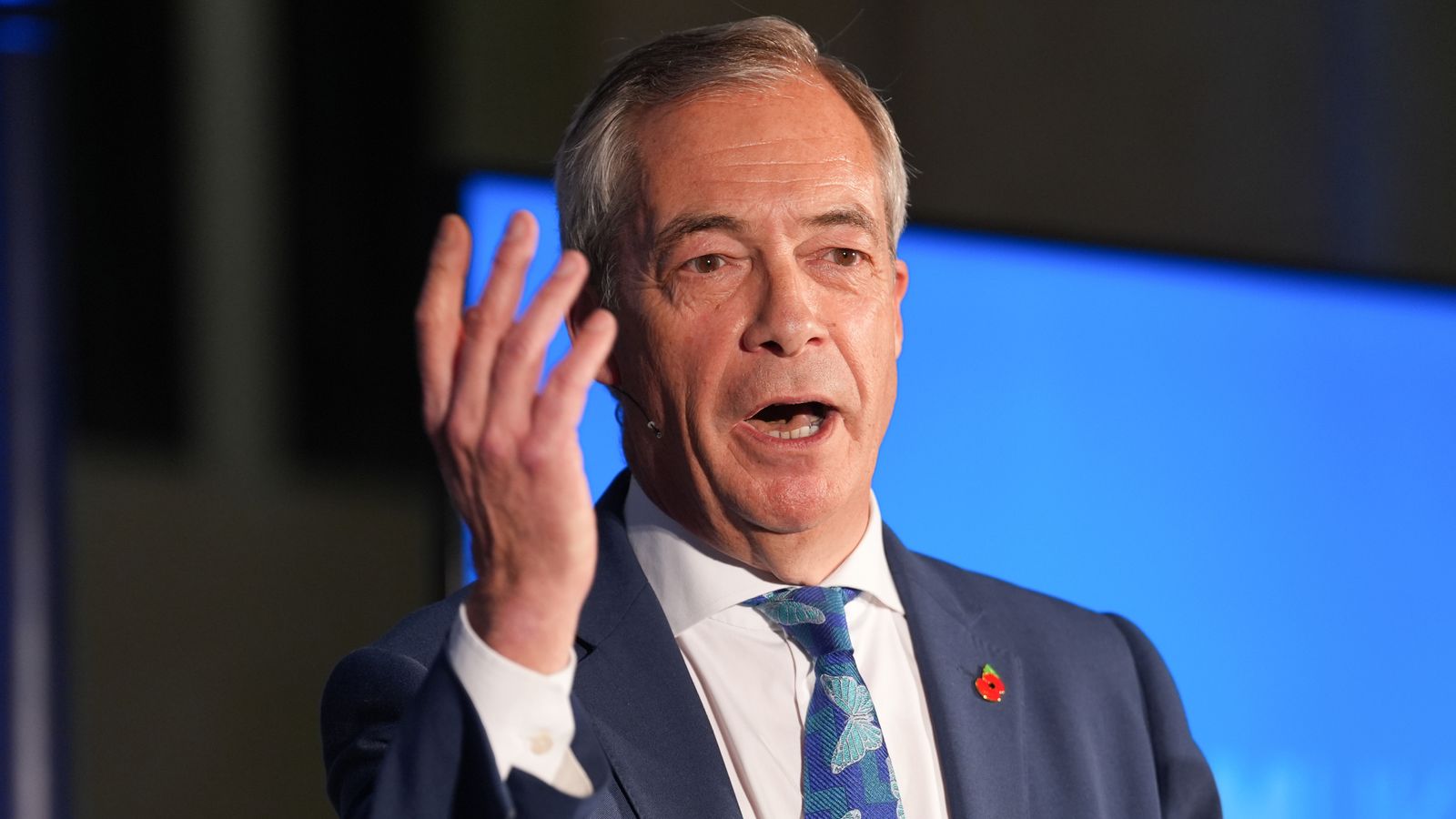
Nigel Farage, the Reform UK leader and Member of Parliament for Clacton, has faced renewed scrutiny over his financial disclosures after reports emerged regarding high hourly earnings from a gold-investment promotion role. According to reports from German media outlets, Farage’s ability to command significant sums for promotional activities has sparked a debate over the transparency of secondary incomes for British lawmakers.
The controversy centers on Farage’s role as a “gold ambassador,” where he reportedly earns substantial fees to promote precious metals. While the specific figure of 26,000 euros per hour has been cited in some reports, the broader issue involves the intersection of private commercial interests and public office, a recurring theme throughout Farage’s political career since his time with the UK Independence Party (UKIP).
Under UK parliamentary rules, MPs must register any financial interests or employment that could be perceived to influence their actions in the House of Commons. The Register of Members’ Financial Interests serves as the official record for these disclosures, though critics argue the current system allows for insufficient detail regarding the exact nature of “consultancy” or “promotional” work.
How much does Nigel Farage earn from gold promotions?
Reports indicate that Nigel Farage has partnered with gold investment firms to encourage the public to hedge against inflation by purchasing physical gold. Some reports have highlighted a potential hourly rate of 26,000 euros, though Farage’s official filings in the Register of Members’ Financial Interests typically list earnings in broader blocks or per-engagement fees rather than a standardized hourly wage.

This promotional work often involves appearances on digital platforms and social media, leveraging Farage’s profile as a critic of central banking and fiat currency. By positioning gold as a “safe haven” asset, Farage aligns his commercial interests with his political rhetoric regarding the instability of the British pound and the Euro.
Why are these secondary incomes causing a political scandal?
The friction arises from the perceived conflict between a lawmaker’s duty to their constituents and their obligations to private clients. In the UK, the “Code of Conduct for Members of Parliament” prohibits MPs from acting as paid advocates, meaning they cannot use their position in Parliament to lobby for a company that pays them.

Critics argue that when a politician promotes a specific financial product, such as gold, they are utilizing the authority of their office to influence market behavior for personal gain. This is particularly sensitive given Farage’s role in the Brexit movement, where he frequently commented on the economic future of the United Kingdom and the necessity of financial sovereignty.
The debate is not unique to Farage. The UK Parliament has faced ongoing pressure to tighten rules on “second jobs” following several scandals involving MPs receiving payments for consultancy work that overlapped with their legislative duties. The Parliamentary Commissioner for Standards is the body responsible for investigating breaches of these rules.
The history of Nigel Farage’s financial controversies
Farage has a long history of navigating the boundaries of political and commercial funding. During his tenure as a Member of the European Parliament (MEP), his expenses and funding sources were frequently audited and questioned by political opponents. His transition from a career in the City of London—where he worked as a commodities broker—to full-time politics provided him with a professional background in the very markets he now promotes.
His current role as the MP for Clacton, won in the July 2024 general election, places him under stricter disclosure requirements than he faced as a party leader without a seat. The Reform UK party has grown rapidly, and as its leader, Farage’s personal financial conduct is often viewed as a proxy for the party’s standards of governance.
What happens next for the Reform UK leader?
The next official checkpoint for these disclosures will be the periodic update of the Register of Members’ Financial Interests, where all MPs must declare new earnings or changes to existing contracts. If a formal complaint is lodged with the Parliamentary Commissioner for Standards, an investigation may be launched to determine if the gold promotional work constitutes “paid advocacy.”

Farage has generally dismissed such criticisms as politically motivated attacks from the “establishment.” However, the transparency of these payments remains a point of contention for transparency watchdogs who advocate for a full-time MP model with no outside commercial employment.
Share your thoughts on the transparency of MP earnings in the comments below and share this story to join the conversation.