
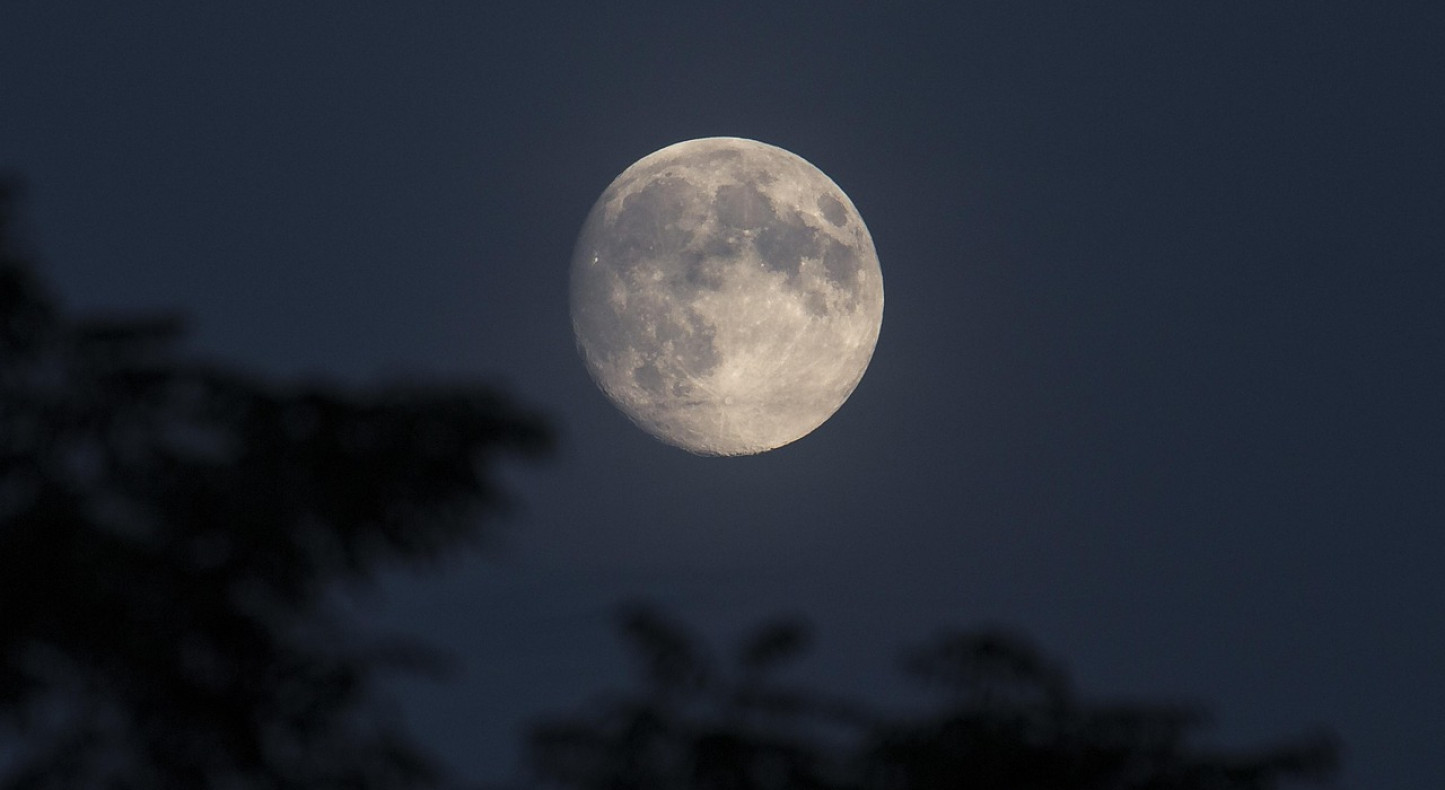
Scientific evidence consistently indicates that the lunar cycle does not have a measurable impact on human sleep quality. Despite longstanding folklore suggesting that a full moon leads to restlessness or insomnia, researchers have found no robust biological or statistical link to support these claims. For individuals experiencing chronic sleep disturbances, medical professionals emphasize that such issues are typically rooted in lifestyle, environment, or underlying health conditions rather than celestial events.
The Science of Sleep and Lunar Cycles
The belief that the moon influences human behavior and physiology—often referred to as the “Transylvania effect”—has been studied extensively in the field of sleep medicine. A comprehensive review published in the journal Frontiers in Pediatrics analyzed multiple studies and concluded that there is no consistent evidence connecting the lunar phase to sleep duration or quality in children or adults. While some small-scale studies have occasionally suggested minor fluctuations, these findings have frequently failed to be replicated in larger, more rigorous clinical trials.

According to the Sleep Foundation, human sleep cycles are primarily regulated by the circadian rhythm—our internal 24-hour clock—and the homeostatic sleep drive, which tracks the need for sleep based on how long we have been awake. External factors like light exposure, caffeine intake, and stress levels remain the primary drivers of sleep disruption. The moon’s illumination is insufficient to override these powerful biological mechanisms in the modern, indoor-centric environment.
Why the Myth Persists
The persistence of the belief that one sleeps worse during a full moon is largely attributed to confirmation bias. When a person happens to have a restless night during a full moon, they are more likely to notice the lunar phase and remember the occurrence, reinforcing the connection. Conversely, poor sleep during other phases of the moon is rarely attributed to the lunar cycle, creating an imbalanced perception of cause and effect.
Psychologists note that this phenomenon is a common example of illusory correlation, where humans perceive a relationship between two variables that are, in reality, statistically independent. Because the full moon is a highly visible and predictable event, it serves as an easy, albeit inaccurate, scapegoat for physiological phenomena that are often more complex, such as transient stress or dietary changes.
Addressing Chronic Sleep Issues
For those struggling with persistent insomnia, attributing the problem to the moon can be counterproductive, as it delays the identification of treatable medical or psychological causes. The Mayo Clinic advises that chronic sleep disorders require a systematic diagnostic approach, which may include sleep hygiene assessments, screening for obstructive sleep apnea, or evaluation for anxiety and depression.
When self-care measures—such as maintaining a consistent sleep schedule and optimizing the bedroom environment—fail to provide relief, clinical intervention is recommended. Cognitive Behavioral Therapy for Insomnia (CBT-I) is widely considered the “gold standard” of treatment. According to the National Institutes of Health, CBT-I effectively addresses the thoughts and behaviors that perpetuate sleep difficulties, providing long-term relief without the necessity of pharmacological aids.
When to Consult a Professional
If you find that sleep disruption is affecting your daily functioning, focus, or mood, it is important to track your symptoms and consult a primary care physician or a sleep specialist. Reliable medical guidance is the most effective way to address the root causes of sleep loss. As of 2024, clinical guidelines from the American Academy of Sleep Medicine continue to prioritize evidence-based behavioral and medical interventions over external environmental theories.

If you have questions about your own sleep health or have noticed patterns you would like to discuss with a doctor, consider keeping a sleep diary for two weeks prior to your appointment to provide your physician with accurate, objective data. Have you struggled with sleep patterns that you could not easily explain? Share your thoughts or experiences in the comments section below.