
Australia has become the first country in the world to officially permit the medical use of psilocybin and MDMA for specific mental health conditions, a regulatory shift that took effect on July 1, 2023. The Therapeutic Goods Administration (TGA) moved to reclassify these substances from Schedule 9 (prohibited substances) to Schedule 8 (controlled medicines), allowing authorized psychiatrists to prescribe them for treatment-resistant depression and post-traumatic stress disorder (PTSD), according to the Australian government’s official TGA announcement.
This decision marked a significant departure from global drug policy, yet it has sparked intense debate within the medical community due to what many researchers describe as a lack of long-term safety and efficacy data. While proponents argue that these therapies offer a necessary alternative for patients who have not responded to conventional treatments, skeptics point to the limited number of large-scale clinical trials and the potential for long-term psychological side effects.
The Regulatory Framework and Prescribing Authority
The TGA’s decision does not mean these substances are widely available. Instead, the regulatory change is highly restricted. Only psychiatrists who have received approval from a Human Research Ethics Committee and the TGA under the Authorised Prescriber Scheme may legally administer these drugs, as noted by the TGA’s guidance on medicinal use. The substances must be used within a controlled clinical environment, and patients must be under constant medical supervision during the administration process.

The policy specifically mandates that psilocybin be used for treatment-resistant depression, while MDMA is limited to the treatment of PTSD. These conditions are defined by the TGA as instances where patients have failed to respond to at least two different classes of evidence-based antidepressant or psychological therapies. This “last resort” criteria is intended to manage the risk of widespread or inappropriate use.
The Scientific Debate on Safety and Efficacy
A primary point of contention regarding the Australian model is the reliance on evidence that some medical experts argue is insufficient for widespread clinical application. While the TGA cited “sufficient evidence” for potential benefits in controlled settings, the Royal Australasian College of Physicians (RACP) expressed concern at the time of the announcement, stating that the decision was premature. The RACP emphasized that the long-term safety profiles of these substances, particularly when used outside of intensive research trials, remain largely unknown.

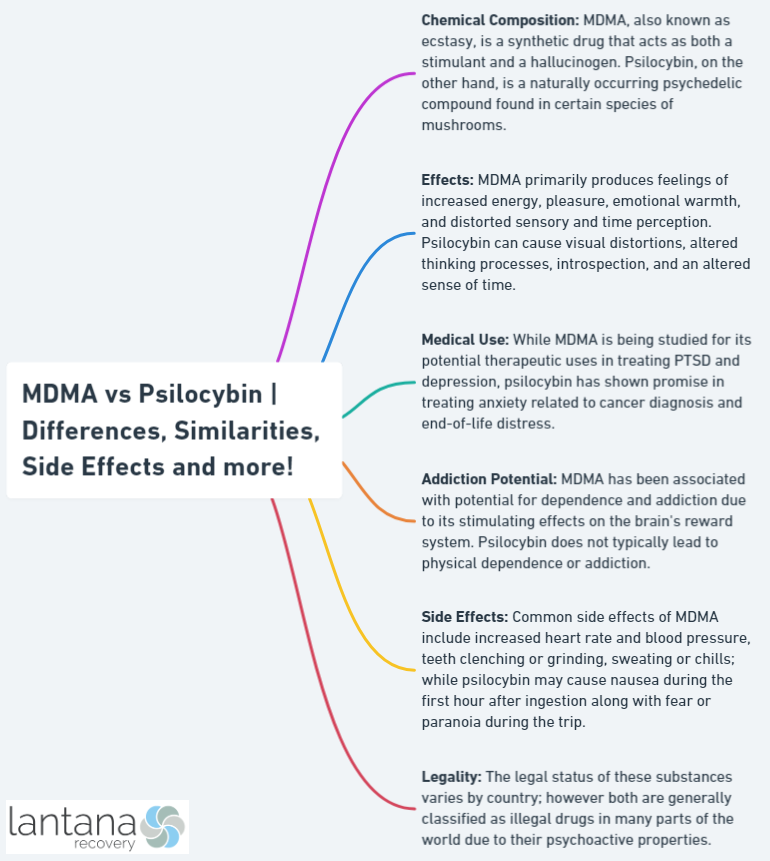
Psychedelics like psilocybin and MDMA act on the central nervous system to alter perception, mood, and cognitive processes. MDMA, often known as ecstasy, acts as an empathogen, while psilocybin, the active compound in “magic mushrooms,” is a classic hallucinogen. Because these substances can induce intense psychological experiences, the risk of adverse psychiatric reactions—such as increased anxiety, panic, or the exacerbation of underlying conditions—is a significant concern for clinicians managing patient care.
Clinical Challenges and Monitoring
Because these drugs are now classified as Schedule 8, they are subject to the same strict storage, record-keeping, and prescribing regulations as other potent controlled substances, such as morphine or fentanyl. However, the unique nature of psychedelic therapy adds a layer of complexity: the treatment is not merely the ingestion of the drug, but rather a “psychedelic-assisted psychotherapy” model. This requires hours of preparation and integration therapy, which are not currently standardized across the Australian healthcare system.
The cost of these treatments also presents an accessibility barrier. Reports from the Australian Broadcasting Corporation indicate that the treatment regimen—which can cost thousands of dollars—is not currently covered by the Medicare Benefits Schedule, the country’s public health insurance program. This leaves many patients unable to access the therapy regardless of their clinical need, effectively creating a two-tiered system where only those with significant financial means can pursue these options.
What Happens Next for Patients and Providers
The TGA has indicated that it will continue to monitor the implementation of these new prescribing rules. There is no set date for a formal review of the policy, but the Australian government is expected to receive ongoing data from authorized prescribers to assess the safety of the program. For patients, the path forward remains narrow, requiring a referral from a general practitioner to a psychiatrist who has secured the necessary federal and ethical approvals.

As this remains a developing area of medicine, the global community continues to observe the Australian experience. For those seeking the latest updates on authorized providers or regulatory changes, the official TGA website serves as the primary source for current guidance. Readers are encouraged to check back for future updates as more data becomes available regarding the outcomes of these treatments.