
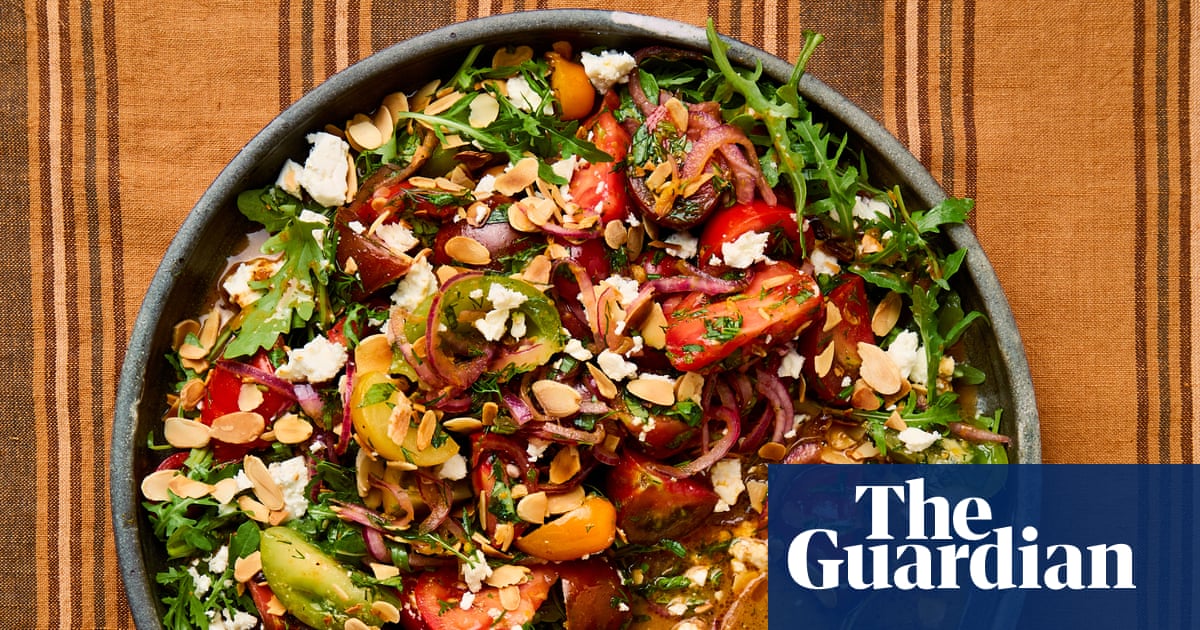
Outdoor cooking during the summer months often relies on the interplay of heat, smoke, and fresh produce to create seasonal meals. According to culinary experts, the technique of charring vegetables, particularly courgettes, enhances their natural sugar content while introducing a smoky profile that pairs well with bold, spicy ingredients like chipotle chilies.
As the summer season progresses, the shift toward al fresco dining becomes a common trend for home cooks. This approach, which emphasizes simple preparation and high-quality ingredients, serves as a practical way to manage the busy schedules often associated with the warmer months. By utilizing tools such as a traditional barbecue or a heavy-duty griddle, home cooks can achieve a depth of flavor that is difficult to replicate with indoor cooking methods.
The Science of Charring and Flavor Profiles
The process of chargrilling, or cooking vegetables over high, direct heat, triggers the Maillard reaction. This chemical reaction between amino acids and reducing sugars gives browned food its distinctive flavor. When applied to courgettes, the intense heat caramelizes the vegetable’s surface, resulting in a balance between the inherent sweetness of the squash and the bitterness of the char.
Incorporating smoked elements, such as chipotle—which is a smoked, dried jalapeño—adds a layer of complexity to these dishes. The capsaicin found in chilies provides a heat sensation, while the smoking process introduces woody, aromatic compounds. When these elements are combined in a meze-style format, they offer a contrast that is both refreshing and substantial. Culinary professionals often suggest that the key to a successful summer salad is not just the freshness of the greens, but the intentional use of contrasting textures and heat levels.
Practical Approaches to Outdoor Preparation
For those looking to replicate these results at home, equipment selection plays a significant role. A cast-iron griddle pan is a versatile alternative to a charcoal grill, offering similar heat retention and the ability to create distinct sear marks. The following methods are standard for achieving the best results:

- Preparation: Slice courgettes into uniform strips to ensure even cooking. Lightly coating them in high-smoke-point oil, such as grapeseed or avocado oil, prevents sticking and aids in heat transfer.
- Heat Management: Ensure the grill or griddle is sufficiently hot before adding the vegetables. A lack of heat will cause the courgettes to steam rather than sear, resulting in a mushy texture.
- Seasoning: Add the smoky components—such as chipotle paste or finely chopped smoked chilies—after the initial charring process to prevent the sugars in the chilies from burning, which can lead to an acrid taste.
Integrating Seasonal Ingredients
Beyond courgettes, other seasonal vegetables such as tomatoes, aubergines, and peppers respond well to this preparation style. Tomatoes, when grilled, undergo a transformation where their acidity is tempered by the heat, concentrating their umami flavors. This makes them an ideal base for dressings or as a primary component in a Mediterranean-style meze platter.
The trend toward “meze” dining—a collection of small, flavorful dishes—allows for flexibility in the kitchen. By focusing on a few high-quality, charred vegetables, a host can create a meal that feels curated rather than labor-intensive. This style of eating encourages social interaction, as the dishes are typically served family-style, allowing guests to sample various flavor combinations.
Next Steps for Seasonal Cooking
As the peak of the summer harvest season approaches, farmers’ markets and local produce suppliers typically see an increase in the availability of summer squash and heirloom tomatoes. Home cooks are encouraged to monitor local agricultural reports for peak harvest dates in their specific region. For those interested in further refining their grilling techniques, many culinary institutions offer seasonal workshops and resources on outdoor food preparation.

What are your favorite techniques for incorporating smoke into your summer vegetable dishes? Share your experiences and questions in the comments section below to join the conversation.