

Many consumers who incorporate collagen supplements into their daily routines report a lack of visible results, often leading to questions regarding the product’s efficacy. According to nutritionists, the failure to see improvements is often due to “landmines” in one’s lifestyle and metabolic habits that hinder protein synthesis and absorption. Addressing these underlying physiological barriers is essential before expecting significant outcomes from supplementation.
When collagen supplements appear ineffective, the issue often stems from poor bioavailability or an environment in the body that accelerates the degradation of existing collagen. Collagen is a protein; once ingested, it is broken down into amino acids in the digestive tract. The body then distributes these amino acids based on its own priority list. If your body is under chronic stress or nutrient deficiency, it will use those amino acids for internal repair, leaving little for cosmetic benefits.
Understanding Collagen Metabolism and Absorption
To understand why supplementation may not yield the desired results, it is necessary to look at how the body processes these proteins. Collagen is a large molecule. For it to be effective, it must be broken down into smaller peptides—to be absorbed. The body does not simply “send” the collagen you eat directly to your face or joints. Instead, the body treats it as a source of amino acids, which it uses to build whatever proteins it currently requires most.
Research indicates that while oral collagen peptides can improve skin health over time, the timeline is rarely immediate. Some research suggests changes may be seen as early as 10 days. If you are not seeing results, the first step is to evaluate your consistency.
Four Common Factors Hindering Collagen Efficacy
Nutritionists identify four primary lifestyle “landmines” that actively counteract the benefits of collagen intake. Addressing these is critical for anyone looking to optimize their supplement regimen.

- Excessive Sugar Consumption: High sugar intake leads to glycation, a process where sugar molecules bind to proteins like collagen, causing them to become brittle and lose their structural integrity. This effectively “undoes” the work of your supplements by damaging the collagen you already have.
- Chronic Oxidative Stress: Exposure to UV radiation and pollution generates free radicals that degrade collagen fibers. Without adequate antioxidant intake—such as Vitamin C, which is a necessary cofactor for collagen synthesis—supplementation cannot keep pace with the rate of degradation.
- Digestive Health Issues: If you suffer from chronic inflammation or impaired gut absorption, your body may struggle to break down and utilize the peptides effectively. A compromised gut microbiome can interfere with the overall protein metabolism process.
- Lack of Necessary Cofactors: Collagen synthesis is not a solo process. It requires specific micronutrients, most notably Vitamin C. If you are taking collagen without ensuring your levels of Vitamin C are sufficient, your body cannot efficiently synthesize new collagen fibers.
Addressing Side Effects and Misconceptions
A frequent concern among users is the appearance of acne or skin breakouts after starting a collagen regimen. It is important to clarify that the problem may not be the collagen itself. Breakouts are often the result of additives in the supplement rather than the collagen protein itself. Many commercial products contain sweeteners, artificial flavors, or fillers, which can trigger acne in sensitive individuals.

If you experience skin issues, I recommend reviewing the ingredient label for additives. Shifting to a clean, single-ingredient hydrolyzed collagen peptide product can help rule out these sensitivities.
Setting Realistic Expectations
While collagen production naturally declines as we age, supplementation is only one piece of the puzzle. A balanced diet, adequate sleep, and rigorous sun protection are the true foundations of skin and joint health.
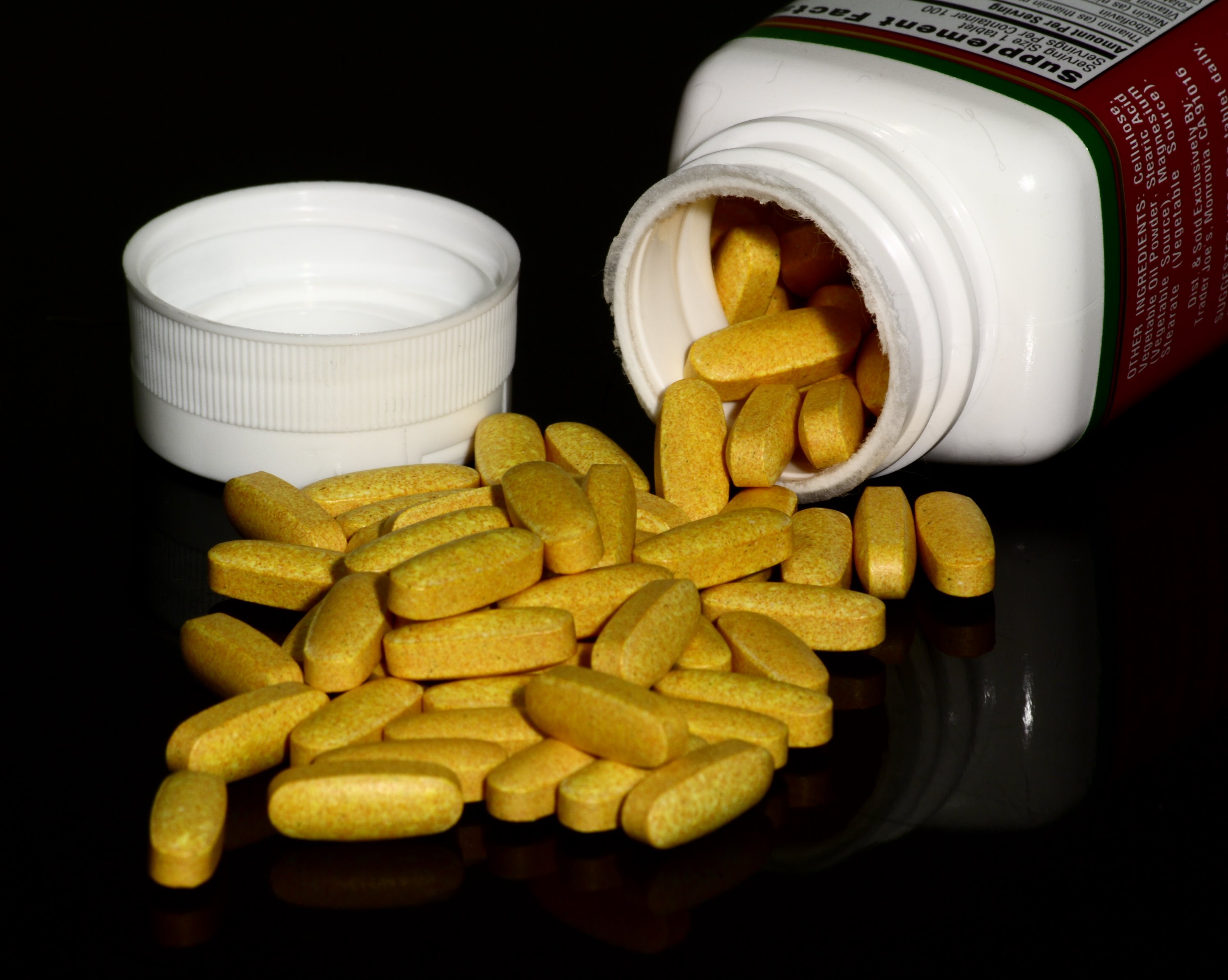
If you are frustrated by a lack of results, start by tracking your intake, ensure your Vitamin C levels are adequate, and eliminate high-sugar processed foods that accelerate collagen degradation. Should you continue to see no improvement or experience adverse reactions, consult with a nutritionist to assess your specific nutritional needs.
I encourage our readers to share their experiences in the comments section below. Are you tracking your progress with a specific routine, or are you looking for guidance on choosing a high-quality supplement?