
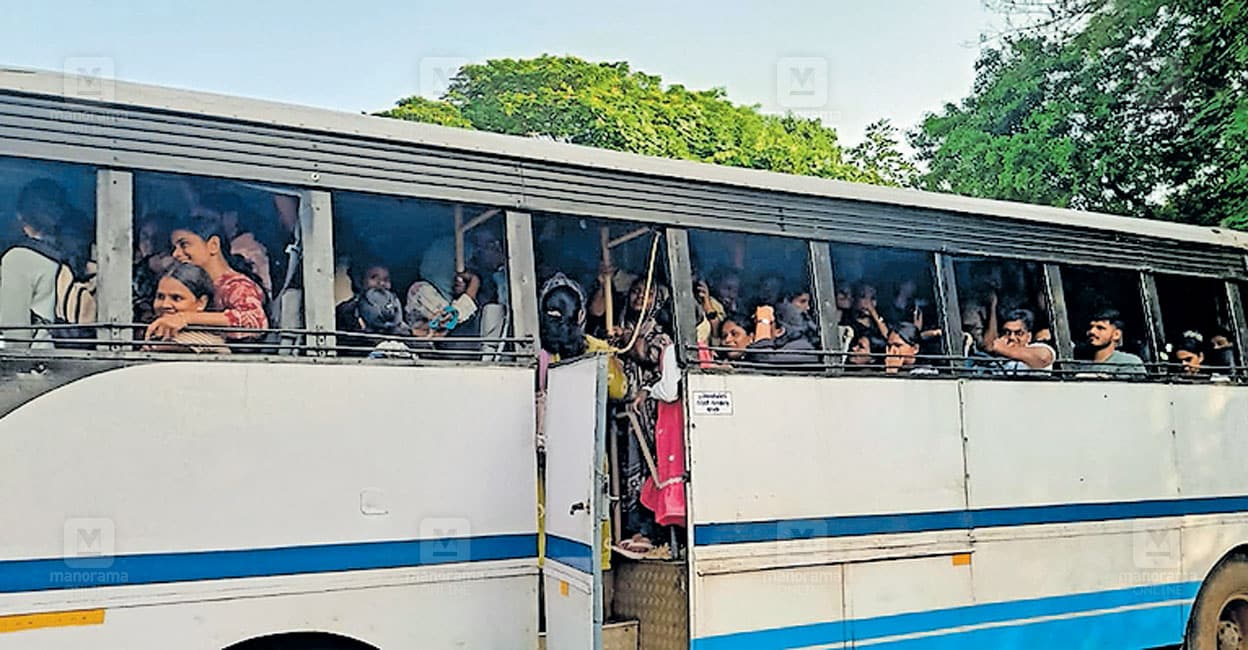
The Kerala State Road Transport Corporation (KSRTC) has announced a strict enforcement policy regarding reserved seating on its fleet, mandating that passengers must not occupy seats designated for senior citizens, regardless of whether they hold a ticket or are traveling for free. Officials have confirmed that passengers found violating these seating norms will be subject to a fine of ₹100, as part of an effort to ensure priority access for the elderly.
This directive reaffirms existing transport regulations aimed at protecting the rights of vulnerable passengers. According to official guidelines from the Kerala State Road Transport Corporation, the designated seats are strictly reserved for senior citizens, persons with disabilities, and pregnant women. The enforcement of the ₹100 penalty is intended to serve as a deterrent against unauthorized occupancy of these specific zones, which are often located near the entrance of the bus for accessibility reasons.
Understanding the Seating Regulations
The policy applies to all KSRTC services, including ordinary, fast passenger, and long-distance buses. Under the current rules, the conductor and the driver are empowered to ensure that priority seats are vacated when a senior citizen boards the vehicle. If a passenger refuses to vacate a reserved seat, the corporation’s enforcement teams are authorized to levy the fine.
This measure is not a new legal addition but rather a renewed emphasis on existing public transport protocols. The KSRTC management has frequently issued circulars to its staff, instructing them to prioritize the comfort and safety of elderly commuters. For travelers, the regulation is simple: if you are seated in a priority row, you are obligated to relinquish that seat immediately upon the arrival of a senior citizen, regardless of the distance you have traveled or the price of your ticket.
Why Priority Seating Matters
The importance of reserved seating in public transport is rooted in accessibility and safety. For many senior citizens, standing on a moving bus presents a significant risk of injury, particularly in heavy traffic or during sudden stops. By enforcing these rules, the KSRTC aims to improve the overall passenger experience and ensure that public infrastructure remains inclusive for all demographics.
The decision to impose a fine reflects a broader trend in Indian state transport undertakings to enforce seat reservation policies more rigorously. Passengers are encouraged to consult the official KSRTC website for updates regarding passenger rights and travel guidelines. The corporation often updates its operational policies to address complaints regarding seat availability and staff conduct.
Operational Challenges and Enforcement
Enforcement of these rules often falls to the bus crew, who are tasked with maintaining order. While the ₹100 penalty is the standard deterrent, the KSRTC relies heavily on passenger cooperation to maintain the integrity of these reserved zones. In instances where a passenger refuses to comply, crew members are instructed to involve local authorities or transport inspectors if necessary to resolve the dispute.

For commuters, the best practice remains to occupy non-reserved seats whenever possible, especially during peak hours, to avoid potential conflicts or the risk of being penalized. As the state transport body continues to modernize its fleet and ticketing systems, these behavioral guidelines remain a cornerstone of their service delivery model.
The KSRTC has not announced any changes to its current ticketing or reservation system in light of this enforcement drive. Passengers seeking to report issues regarding seat availability or staff behavior can reach out to the corporation through their official contact channels provided on the Kerala State Road Transport Corporation portal. Further updates regarding service changes or policy amendments will be communicated through official government notifications.