
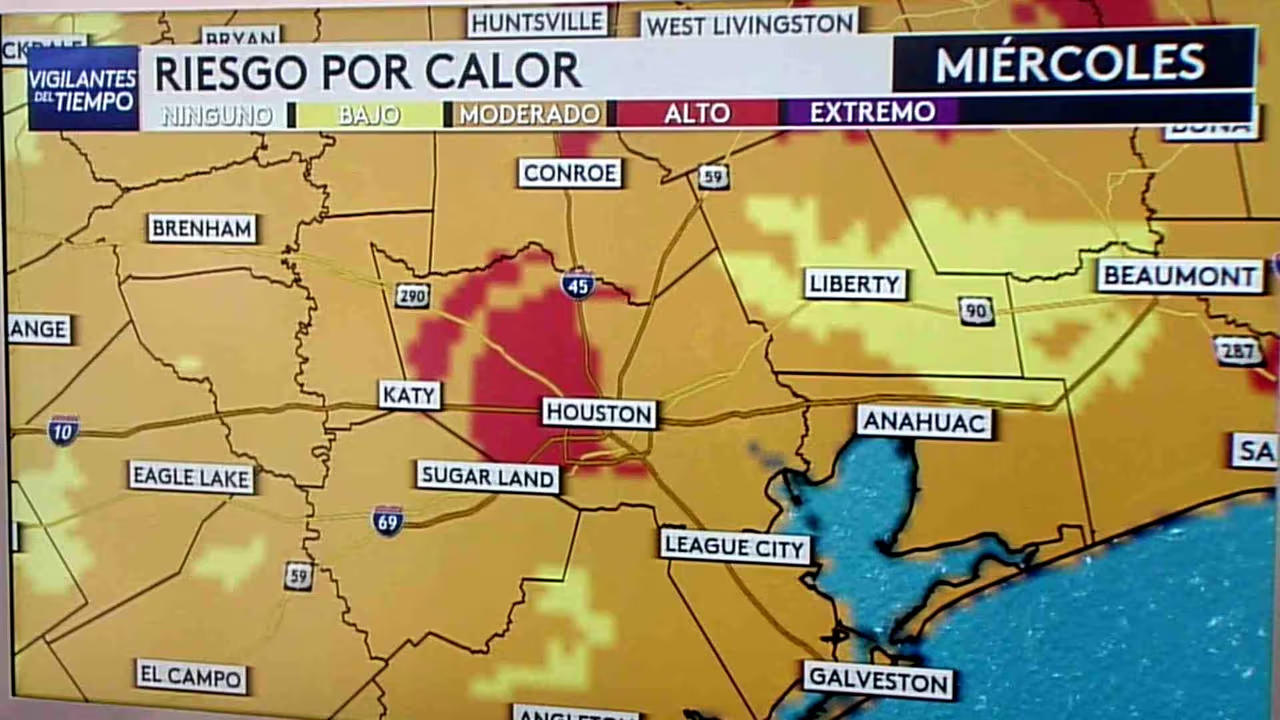
Residents in Houston, Texas, face elevated health risks today, July 1, 2026, as temperatures are forecast to climb toward 95 °F. High humidity levels typical for the region are expected to push the heat index well above the actual air temperature, creating dangerous conditions for those spending extended time outdoors.
Meteorological data indicates that the combination of high temperatures and moisture from the Gulf of Mexico is creating a persistent heat pattern across Southeast Texas. According to the National Weather Service (NWS) office in Houston/Galveston, heat safety remains a priority as the region experiences peak summer conditions. Official heat advisories and safety guidelines are updated regularly via the National Weather Service Houston/Galveston portal.
Understanding Heat Index and Health Risks
While the thermometer may read 95 °F, the “feels-like” temperature—or heat index—is often significantly higher due to the moisture content in the air. When humidity is high, the body’s natural cooling mechanism, sweat evaporation, becomes less efficient, increasing the risk of heat-related illnesses such as heat exhaustion and heat stroke.

According to the Centers for Disease Control and Prevention (CDC), individuals most at risk during extreme heat events include children, the elderly, and those with pre-existing medical conditions. The agency emphasizes that staying hydrated and seeking air-conditioned environments during the hottest parts of the day are essential strategies for preventing heat-related complications. Detailed guidance on recognizing the symptoms of heat stress can be found on the CDC’s official extreme heat resources page.
Safety Measures for Houston Residents
Local authorities consistently advise residents to limit strenuous outdoor activities between 10:00 a.m. and 6:00 p.m., when solar radiation and ambient temperatures are at their highest. If outdoor work is unavoidable, experts recommend frequent breaks in shaded or cooled areas and the consumption of water even before feeling thirsty.

Beyond personal health, the city’s infrastructure is also monitored during these periods. The Electric Reliability Council of Texas (ERCOT) manages the state’s power grid and provides real-time updates on grid conditions. Residents can monitor the status of the power supply and view current demand trends through the official ERCOT website. Maintaining a supply of essential items and ensuring that air conditioning units are functioning properly are standard recommendations for homeowners during the summer months.
What to Expect in the Coming Days
The current weather pattern in Houston is characterized by slow-moving pressure systems that often trap heat over the area for several consecutive days. While specific daily fluctuations can occur, long-range forecasts from the Climate Prediction Center suggest that above-average temperatures are likely to persist through the early part of July.
The next official update regarding regional weather patterns and potential hazardous weather outlooks will be issued by the National Weather Service as data becomes available. Residents are encouraged to monitor local news broadcasts and official government channels for any changes to the forecast or the issuance of formal heat warnings. If you have found this information helpful, please share this update with neighbors and family members to ensure the community stays informed and safe.