
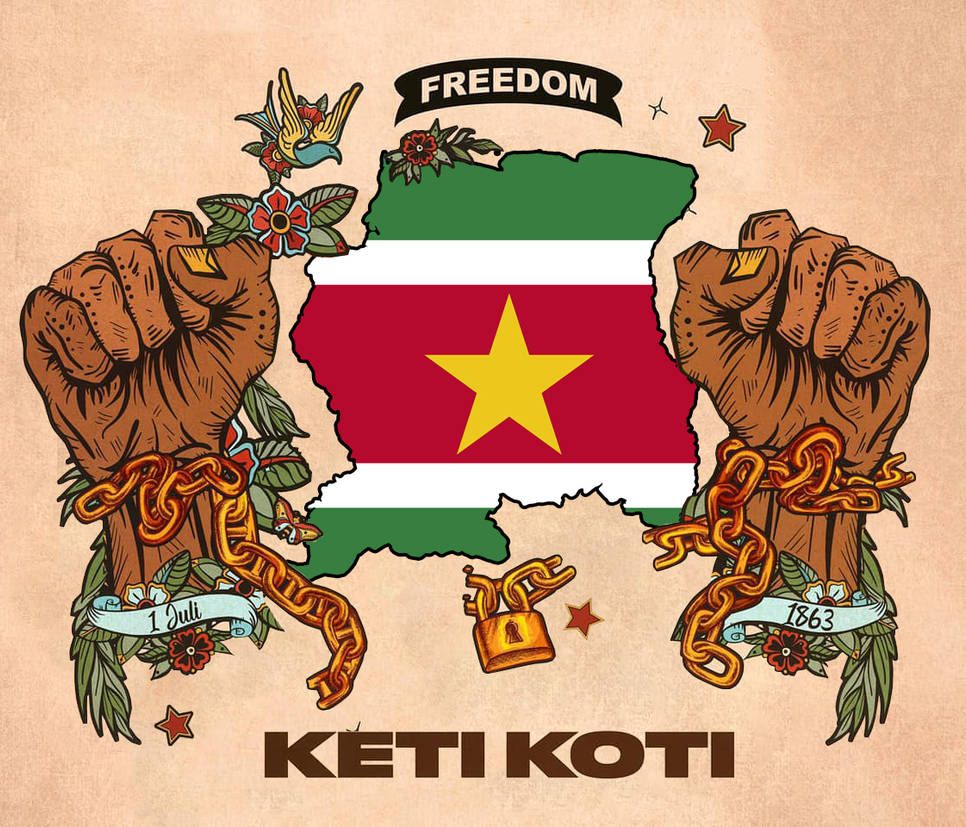
The debate surrounding a potential national holiday for Keti Koti—the annual commemoration of the abolition of slavery in the Netherlands—remains a focal point of Dutch political discourse. While proponents, including politicians and cultural leaders, argue that a formal day off is essential for national reflection, significant skepticism persists regarding the feasibility and political will required to implement such a change by 2026.
Keti Koti, celebrated annually on July 1, marks the 1863 abolition of slavery in Suriname and the Dutch Caribbean. As the nation continues to grapple with its colonial history, the push for the commemoration to be recognized as a national holiday has gained momentum, particularly among those who advocate for greater structural acknowledgement of the past. According to recent public statements, there is a concerted effort to build the necessary political consensus to secure this status within the coming years.
The Push for Official Recognition
Political figures have increasingly participated in Keti Koti ceremonies, signaling a shift in how the state engages with the history of slavery. In recent public appearances, calls have been made for government institutions to adopt more uniform commemorative practices, such as the consistent hoisting of flags on July 1. This symbolic gesture is viewed by some as a necessary step toward broader institutional recognition, though it remains distinct from the debate over a mandatory day off for the general workforce.

The director of the National Slavery Museum has emphasized the importance of sustained advocacy to persuade political leaders, such as Rob Jetten, to support the designation of a national holiday. The objective is to move beyond symbolic gestures and toward a policy that allows the entire country to pause and reflect on the legacy of slavery. However, the path to legislative change is complex, requiring a shift in national labor policy and broad parliamentary support, which has not yet materialized in a concrete proposal.
Persisting Skepticism and Public Sentiment
Despite the optimism expressed by some activists and museum leadership, skepticism remains widespread. Reports from various national outlets indicate that many observers doubt whether a national holiday will realistically be achieved. For many, the focus remains on the personal and intergenerational impact of slavery rather than the political mechanics of a holiday.
The emotional weight of the day is perhaps best illustrated by individual stories. For instance, individuals like 84-year-old Joke have shared personal accounts of their ancestors, including memories of seeing physical evidence of enslavement—such as brand marks—passed down through generations. These narratives serve as a reminder that for many, Keti Koti is not merely a political issue but a deeply personal encounter with history that continues to evoke profound emotional responses.
What Happens Next?
The discussion regarding Keti Koti 2026 is expected to continue as part of a broader national conversation about the Dutch colonial past and the ongoing process of reconciliation. While there is no current legislative timeline for declaring July 1 a national holiday, the subject remains a recurring topic during the annual commemorations.
Future developments will likely depend on the willingness of political coalitions to prioritize the issue in the face of competing economic and social policy demands. Observers are watching for further signals from the Dutch government regarding official commemorative protocols for the coming year. As the nation approaches the next cycle of ceremonies, the tension between symbolic progress and the demand for structural change will likely remain at the forefront of the public debate.
We invite readers to share their perspectives on the evolution of Keti Koti commemorations and the impact of these policy discussions in the comments section below.